
Credit Card: Don't fall into the trap of minimum dues; only full payment will improve your credit health..
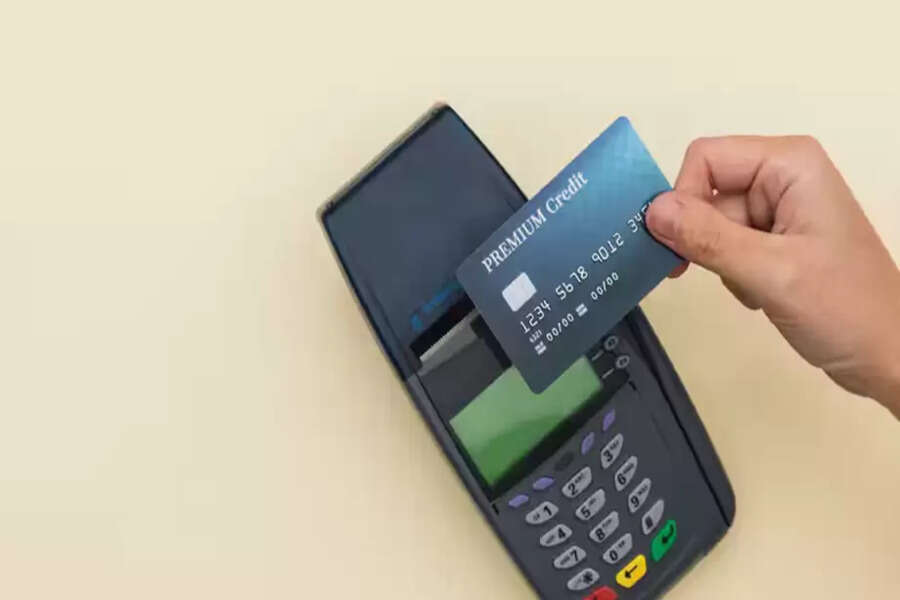
Credit cards are a friend in every pocket today – they've made everything from shopping to bill payments easier. But often, the relief of seeing the minimum due amount upon bill arrival can prove problematic. Guidelines state that the minimum due is only 5% of the balance, but paying only this amount incurs 30-45% annual interest on the remaining amount, creating a web of debt. However, credit card default rates have also increased. In this article, we'll explain in simple terms why minimum payments are a trap, how full payment benefits work, and how to improve your credit health. Remember, even small mistakes can cause significant losses, but with smart planning, you'll remain the master.
What exactly is this "Minimum Due" trap? (What is the Minimum Due Trap)
When your credit card bill arrives, the bank gives you two options:
Total Amount Due: means pay the entire amount
Minimum Amount Due: only 5% of the bill
Most people think, "Hey! I'll just pay 2,000 rupees (the minimum) now, and I'll pay the remaining 40,000 rupees later." This is where you make the mistake. The bank wants you to pay the minimum due. Why? Because this is where the bank's real income starts.
Paying the minimum due has these three major disadvantages. So, if you think that paying the minimum due amount has saved you from late fees, you're right. But the disadvantages are much greater than the late fees:
If you need a loan against property, learn the correct CIBIL score calculations. If your score is poor, this trick can get you the money you want!
If you need a loan against your property, learn the correct CIBIL score calculations. If your score is poor, this amazing trick can get you the money you want!
1. Interest Meter Starts
As soon as you pay just the minimum due amount, hefty interest starts accruing on the remaining amount. Credit card interest can range from 36% to 42% annually. This is many times more expensive than any personal loan.
2. Free Credit Period Ends
The biggest advantage of a credit card is its interest-free period (45-50 days). However, if you don't pay your previous bill in full, you won't get a single day's discount on new purchases. Therefore, interest will start accruing on the card from the day you swipe it.
3. Debt Quagmire
You'll keep paying the minimum due amount, and interest will continue to accrue on the principal amount. A few months later, you'll realize that you've paid more than you actually spent, yet you're still in debt.
Full Payment: The 'Vitamin' of Your Credit Health (Power of Full Payment)
If you want to 'brighten' your credit history and CIBIL score, 'Full Payment' is the only way. Learn its benefits:
Your CIBIL score will rocket: When you pay your full bill on time, the credit bureaus perceive you as financially disciplined. This rapidly increases your credit score to 750+ or 800+.
0% Interest: Paying your full bill means you don't pay a single extra rupee in interest to the bank. You use the bank's money for free for 45-50 days.
Credit Utilization Ratio: Making full payment keeps your credit utilization ratio low, which is crucial for a good CIBIL score.
Clear the confusion: What should you do now?
If you're currently trapped in this trap, take these steps:
Get EMI: If you can't pay the entire bill at once, convert the outstanding amount into EMI. The interest rate (12-15%) is actually much lower than the open interest rate (40%) on a credit card.
Set up Auto-Pay: Always keep auto-pay on for the "Total Amount Due" to avoid missing the due date.
Spend only as much as you can: Treat your credit card as a debit card. Swipe only as much as you have cash in your bank account.
Conclusion
Friends, the "minimum due" is a golden goose for banks, but for you, it's like termites. To protect your financial health, always make it a habit to pay in full. So remember, credit cards aren't bad; misusing them is. (Note: This news is based on general information. Contact your bank for more details.)
