
Credit Card Alert: High Usage Can Hurt Your Credit Score Even If You Pay Bills on Time
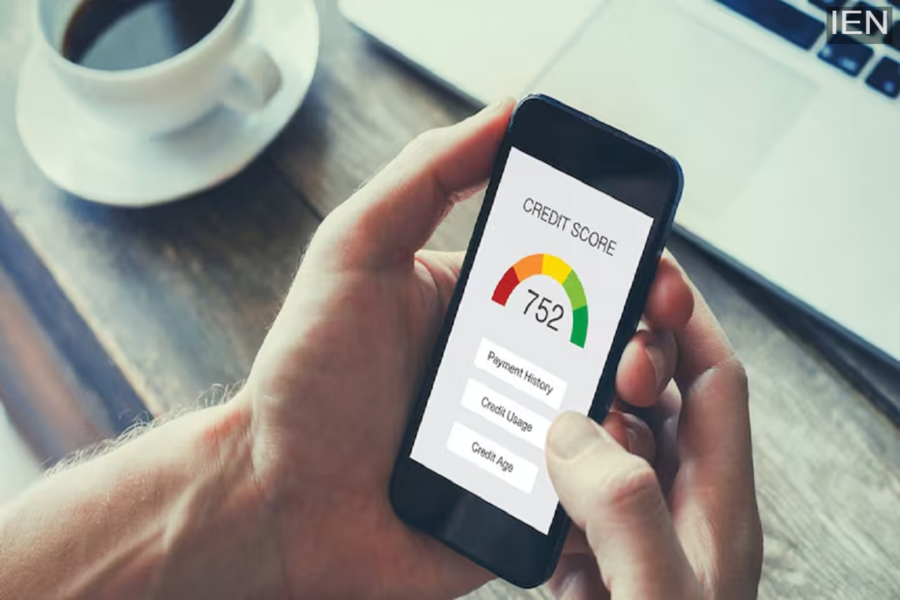
Many credit card users believe that paying their bill in full before the due date is enough to maintain a strong credit profile. However, financial experts warn that another crucial factor—credit utilization ratio—can significantly impact your credit score, even if you never miss a payment. If your card usage frequently reaches the maximum limit, it may be time to reassess your spending habits.
Why High Credit Utilization Is Risky
Credit utilization refers to the percentage of your available credit limit that you actually use. For instance, if your card has a ₹1 lakh limit and you regularly spend ₹80,000–₹90,000, your utilization ratio is 80–90 percent. While you may still pay the bill on time, lenders and credit scoring models often interpret such high usage as a sign that you rely heavily on borrowed funds.
Banks and financial institutions typically prefer customers who maintain balanced usage patterns. A lower utilization ratio suggests that you are managing your expenses responsibly and are not dependent on credit for everyday spending.
The 30–40% Threshold That Matters
According to financial analysts, your credit score can start declining once your utilization crosses roughly 30–40 percent of your available limit. Staying below this range signals financial discipline and improves your creditworthiness in the eyes of lenders.
In contrast, consistently exceeding this level—even without late payments—can raise red flags. High ratios indicate potential financial strain, which may make lenders cautious when evaluating loan or credit applications.
Why Your Score Can Drop Despite Timely Payments
A common misconception among cardholders is that punctual bill payment guarantees a strong credit score. In reality, banks usually report your outstanding balance to credit bureaus on a specific date, often the statement generation date.
If your balance is high on that reporting date, the credit bureau records a high utilization ratio. Even if you clear the dues before the final payment deadline, the earlier reported figure may already have affected your score.
This means your score is influenced not only by whether you pay on time, but also by how much of your limit you use at any given reporting cycle.
How to Keep Your Utilization Ratio Healthy
To maintain a strong credit profile, experts recommend keeping your utilization below 30 percent whenever possible. Here are a few practical strategies:
-
Make early payments: If you anticipate large expenses, pay part of the amount before the statement date to reduce reported usage.
-
Request a higher limit: Increasing your credit limit lowers your utilization ratio automatically, provided your spending stays the same.
-
Spread expenses: Use multiple cards instead of maxing out one card.
-
Monitor statements: Track your statement cycle and adjust spending near reporting dates.
Balanced Usage Builds Strong Credit
Credit scoring systems are designed to reward consistent, responsible behavior rather than just punctual payments. Maintaining moderate usage demonstrates financial stability and discipline, both of which improve your long-term creditworthiness.
Bottom Line
Maxing out your credit card—even occasionally—can quietly damage your credit score. The safest strategy is to combine timely payments with controlled usage. By keeping your spending well below your limit and understanding how reporting cycles work, you can protect your credit health and improve your chances of getting loans or better interest rates in the future.
