
Could Ethanol Replace LPG in Indian Kitchens? Rising Energy Concerns Spark New Debate
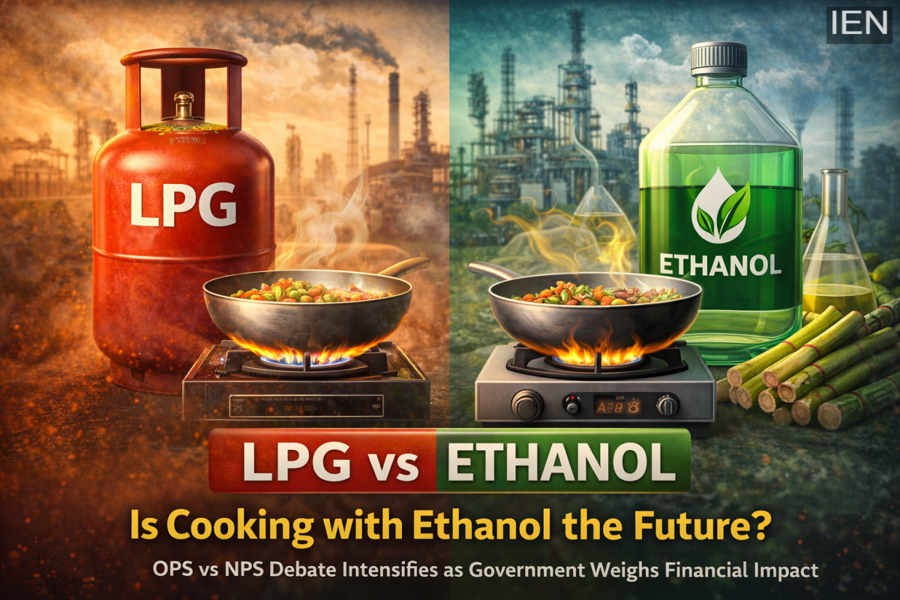
Growing geopolitical tensions in the Middle East are raising fresh concerns about global energy supply, and the impact could eventually reach Indian households. India imports a significant portion of its Liquefied Petroleum Gas (LPG), much of which passes through the strategically important Strait of Hormuz. Any disruption in this key maritime route could affect the country’s cooking gas supply and potentially lead to higher prices or shortages.
Amid these uncertainties, policymakers and energy experts are increasingly discussing whether alternative fuels such as ethanol could emerge as a viable option for household cooking in the future.
Why LPG Supply Is Vulnerable to Global Tensions
India relies heavily on imports to meet its LPG demand. A substantial share of these imports comes from countries in the Middle East and is transported through international shipping routes. One of the most critical of these routes is the Strait of Hormuz, a narrow waterway through which a large percentage of global energy shipments pass.
If tensions in the region escalate and disrupt shipping traffic, the supply chain for LPG could face challenges. Even a temporary disruption could affect availability and cause price fluctuations in domestic markets.
Early signs of such pressures are already being reported in some cities, where hotels and restaurants have started facing shortages of commercial LPG cylinders, along with rising costs. While household LPG supply remains stable for now, experts warn that prolonged disruptions in global energy markets could eventually affect domestic consumers as well.
Could Ethanol Become an Alternative Cooking Fuel?
With concerns growing over LPG supply vulnerability, discussions about alternative cooking fuels are gaining momentum. One option being explored is ethanol, a renewable biofuel that is already widely used in India’s fuel blending programs for vehicles.
Ethanol is typically produced from agricultural crops such as sugarcane, corn, and other biomass sources. Because it can be produced domestically, it offers the potential to reduce dependence on imported fossil fuels.
In the context of cooking energy, ethanol could provide several potential advantages:
-
Reduced reliance on imported LPG
-
Lower carbon emissions compared to fossil fuels
-
Greater energy security through domestic production
-
Support for agricultural and biofuel industries
These factors have led some experts to consider ethanol as a possible long-term alternative for household cooking fuel.
Ethanol for Cooking: Still in Early Stages
Despite its potential benefits, ethanol-based cooking fuel is still in the early stages of development and adoption in India. While ethanol is already widely used in the transportation sector—particularly in ethanol-blended petrol—its application in household cooking systems requires additional infrastructure, safety standards, and consumer awareness.
For ethanol to become a practical kitchen fuel, several steps would be necessary:
-
Development of ethanol-compatible cooking stoves
-
Establishment of distribution networks
-
Safety regulations and technical guidelines
-
Consumer education and awareness programs
At present, these systems are not widely available across the country, which means LPG will likely remain the dominant cooking fuel for the foreseeable future.
Growing Need for Energy Diversification
The conversation around ethanol as a cooking fuel reflects a broader challenge facing many countries today: energy security. Relying heavily on imported fuels can expose nations to geopolitical risks, supply disruptions, and volatile prices.
India has already taken steps to diversify its energy mix by promoting renewable energy sources such as solar power, green hydrogen, and biofuels. The country’s ethanol blending program in the transportation sector is one example of how biofuels are being integrated into the energy system.
If research and infrastructure development continue, ethanol could potentially expand beyond transportation and play a role in household energy use as well.
What the Future May Hold
For now, LPG continues to be the primary cooking fuel for millions of Indian households. The government has also emphasized that domestic LPG supply remains stable despite global tensions.
However, the growing discussion around ethanol highlights the need for long-term energy alternatives that can strengthen India’s energy independence and reduce vulnerability to global supply disruptions.
While ethanol-powered kitchens may not become common overnight, the current global energy situation has certainly accelerated conversations about innovative solutions for the future of household energy in India.
