
Copper ETF: From Industrial Metal to Strategic Asset — How Investors Can Gain Exposure to Copper ETFs
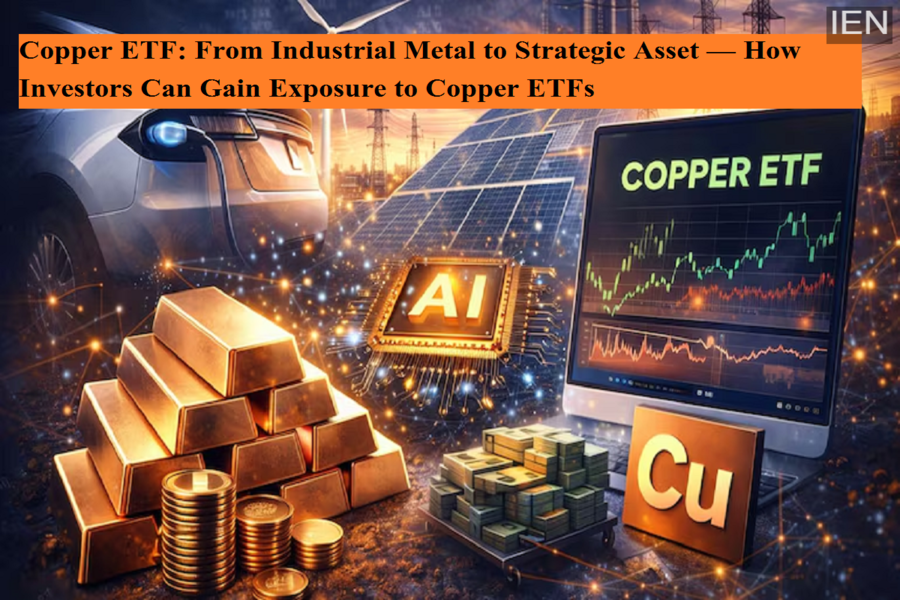
Copper is no longer viewed as just another industrial metal tied to construction and manufacturing cycles. In recent years, it has emerged as a strategic asset at the heart of some of the world’s most powerful structural trends, including electric vehicles (EVs), renewable energy, artificial intelligence, data centers, and modern power grids. This shift in perception has significantly increased investor interest in Copper Exchange Traded Funds (Copper ETFs), positioning copper as a long-term thematic investment rather than a short-term cyclical play.
Why Copper’s Role Is Rapidly Changing
For decades, copper prices largely moved in line with global economic growth and infrastructure spending. However, the 21st-century transition toward clean energy and digital infrastructure has transformed copper into a critical raw material.
Electric vehicles require substantially more copper than traditional internal combustion engine cars. Renewable energy projects such as solar and wind farms are heavily dependent on copper-intensive wiring and transmission systems. At the same time, the rapid expansion of data centers, AI computing, and power grids has further boosted demand.
As a result, copper consumption is rising at a pace that global supply is struggling to match. In recent years, copper prices have crossed $13,000 per tonne at multiple points. Market analysts now expect a structural supply deficit to emerge by 2026, shifting the narrative away from fears of oversupply toward long-term scarcity.
Why Investors Are Turning to Copper
The changing fundamentals of the copper market have caught the attention of global investors. Wealth experts increasingly describe copper as a “new-age strategic asset”, comparable in importance to traditional long-term commodities.
According to market commentators, investors should think of copper not just as a metal, but as a proxy for future-focused industries such as EVs, renewable energy, infrastructure modernization, and digital transformation. This perspective highlights copper’s potential role in long-term portfolios designed to benefit from global energy transition and technological growth.
Ways to Invest in Copper Through ETFs
For investors looking to participate in this theme, Copper ETFs provide a convenient and diversified route. While India does not currently have a domestic copper ETF, Indian investors can still access global copper ETFs through overseas investment routes.
Here are three widely discussed global Copper ETFs that offer different types of exposure:
Global X Copper Miners ETF (COPX)
COPX is one of the largest and most established copper-focused ETFs globally. It invests in around 40 copper mining companies from across the world, providing indirect exposure to copper prices through mining stocks.
-
Net assets: Approximately $5.83 billion
-
Expense ratio: Around 0.65%
-
Suitable for investors who want equity-style exposure linked to copper production
United States Copper Index Fund (CPER)
CPER is designed for investors who prefer direct exposure to copper prices rather than mining companies. This ETF tracks copper futures, meaning its performance closely reflects movements in copper commodity prices.
-
Net assets: About $456 million
-
One-year return: Around 38%
-
Ideal for investors seeking commodity-price-linked returns
iShares Copper and Metals Mining ETF (ICOP)
ICOP takes a broader approach by tracking the STOXX Global Copper and Metals Mining Index. While copper remains central, the ETF also includes other metals mining companies, offering diversified exposure.
-
Launched in 2023
-
Gained strong traction in a short period
-
Delivered approximately 78% returns in 2025
How Indian Investors Can Invest in Global Copper ETFs
Indian investors can access these international ETFs through overseas investment platforms under the Liberalised Remittance Scheme (LRS). However, it is essential to consider a few important factors before investing:
-
Currency risk, as returns are influenced by USD-INR movements
-
Expense ratios of international ETFs
-
LRS investment limits set by regulations
-
The fact that many ETFs offer indirect exposure via mining companies rather than spot copper prices
Understanding these aspects helps investors align copper exposure with their overall risk profile.
Copper: A Strong Opportunity With Inherent Risks
Despite its strong long-term outlook, copper remains a cyclical commodity. Unlike gold, it is not a traditional safe-haven asset. During periods of economic slowdown, demand for copper can weaken sharply. Additionally, geopolitical developments and policy changes in major copper-producing countries can significantly impact prices.
On the supply side, challenges remain persistent. Developing new copper mines often takes 10 years or more, making supply growth slow and inflexible. This combination of rising structural demand and constrained supply makes copper an attractive—but potentially volatile—investment.
Final Takeaway
Copper’s transformation from a traditional industrial metal to a strategic asset for the energy and digital future has reshaped its investment appeal. Copper ETFs offer investors an efficient way to gain exposure to this powerful global theme. While the long-term story looks compelling, investors should approach copper with a clear understanding of its risks, cycles, and global factors.
As always, investment decisions should be made after careful analysis and, where necessary, consultation with a certified financial advisor.
