
Confused about transaction charges on UPI? Find the complete answers to all your questions here..
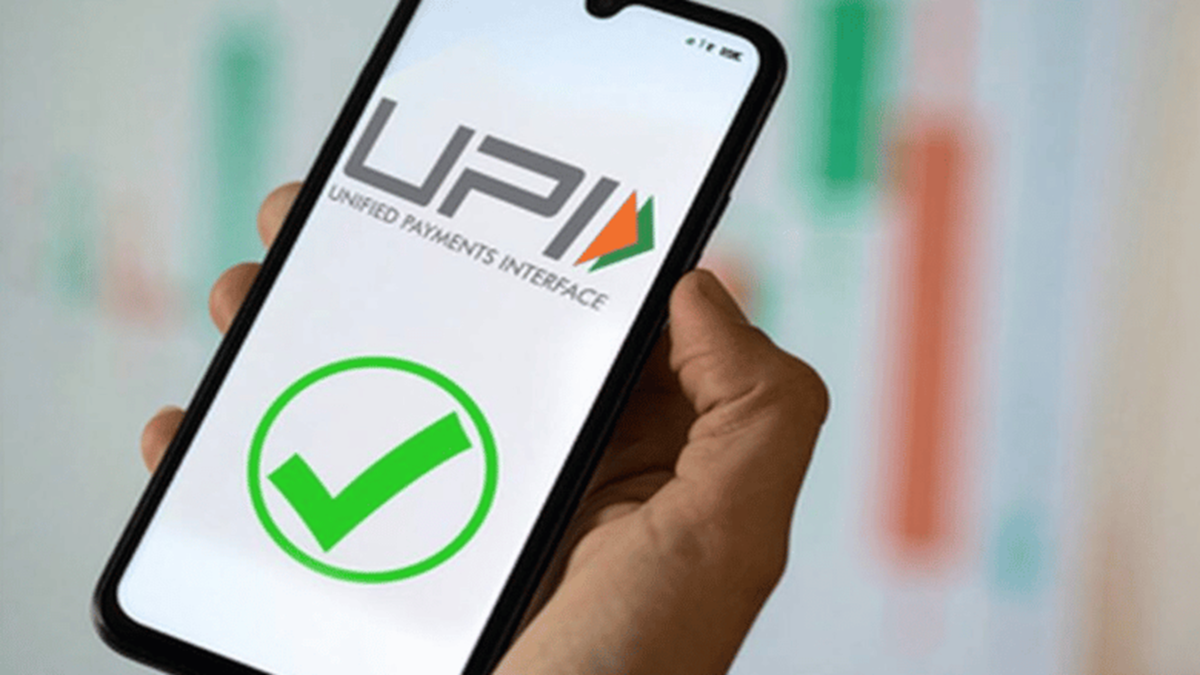
There is significant news for those who use UPI for payments. UPI payments will no longer be free going forward; however, payments up to ₹2,000 have been exempted from fees. MDR (Merchant Discount Rate) will apply to payments exceeding this amount. This change is set to take effect on October 15. The question arises: what will the MDR be for payments above ₹2,000?
First, it is important to understand what MDR—or Merchant Discount Rate—actually is. MDR is the commission that merchants pay to banks. This payment is made to the bank in exchange for processing digital payments. There had been discussions about imposing fees on UPI for quite some time. RBI official Sanjay Malhotra had previously stated that UPI could not remain free forever, noting that there are costs involved and someone has to bear them.
People have many questions regarding the MDR charge on UPI. This is because UPI is now used daily for transactions ranging from ₹1 to several thousand rupees. Ordinary people use UPI to pay for everyday items like vegetables, fruits, and groceries. Let us try to answer some key questions.
Will the average person have to pay a charge for making payments via UPI?
The answer is no. UPI services will remain free for consumers. Consumers will continue to make payments via UPI without any charges, just as before. The average person does not need to worry about fees for UPI payments; the MDR policy stipulates that UPI will remain free for everyone.
If a person wants to transfer money to a friend or relative via UPI, will they have to pay a charge?
The answer to this question is also no. Transactions between individuals are known as P2P (Peer-to-Peer) transactions. P2P transactions will continue to remain completely free. You will not have to pay any fees to transfer money to a family member, relative, or friend via UPI. You can transfer any amount to another person without incurring any charges.
Will UPI apps charge fees for payments made through their platforms?
The answer to this is also no. UPI apps will not charge consumers any fees—including platform usage charges—for payments made via UPI. UPI apps are not permitted to levy any fees on UPI transactions.
Since merchants have to pay an MDR charge on transactions exceeding ₹2,000, will they charge higher prices for goods?
The answer to this is also no. In fact, market dynamics and trends indicate that merchants themselves bear the burden of nominal digital processing costs to grow their businesses. Since the MDR charge for UPI is significantly lower than credit card fees, merchants are not expected to pass this cost on to customers; doing so could impact their sales. This means that the general public will continue to pay only the actual price of the item when using UPI, just as before.
How much MDR will the merchant have to pay?
According to the NPCI (National Payments Corporation of India), merchants must pay an MDR of 0.4% on transactions exceeding ₹2,000. However, a cap of ₹300 applies to the fee (MDR) for payments of ₹75,000 or more.
Here is an example to understand how the MDR is calculated:
Suppose you make a UPI payment of ₹3,000 at a shop. An MDR of 0.40% applies to this amount. 0.40% of ₹3,000 is ₹12. This means the merchant must pay ₹12 as MDR for this transaction. Now, consider a payment of ₹50,000; 0.40% of this amount is ₹200. This means the merchant will have to pay an MDR of ₹200 on a UPI payment of ₹50,000.
Disclaimer: This content has been sourced and edited from Money Control. While we have made modifications for clarity and presentation, the original content belongs to its respective authors and website. We do not claim ownership of the content.
