
Commercial LPG Prices Rise from May 1: Eating Out May Get Costlier While Domestic Cylinder Rates Stay Unchanged
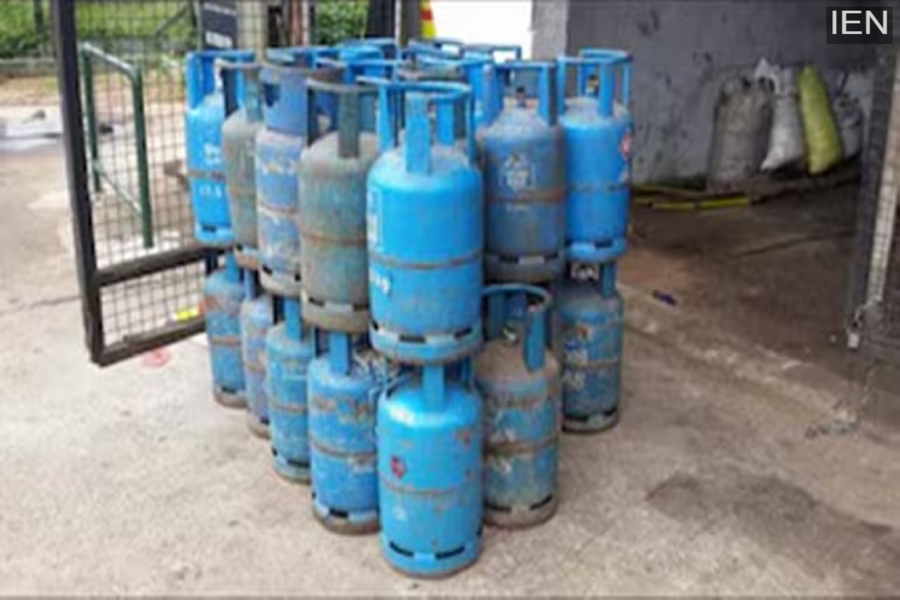
The new month has begun with a noticeable increase in fuel costs that could directly impact everyday expenses, especially for those who frequently dine out. Starting May 1, 2026, the price of commercial LPG cylinders has been revised upward, raising concerns about higher food bills at hotels, restaurants, and roadside eateries across the country. The latest revision highlights how energy price fluctuations continue to influence consumer spending patterns.
According to data released by Indian Oil Corporation, the cost of 19 kg commercial LPG cylinders has increased significantly. This sharp hike is expected to affect businesses that rely heavily on bulk gas usage, including restaurants, catering services, and small food vendors. As operational costs rise, these businesses may pass on the burden to customers, making eating out more expensive in the coming weeks.
New LPG Prices in Major Cities
Following the latest revision, the updated prices of commercial LPG cylinders in metro cities are as follows:
- Delhi: ₹3,071.50 (increase of ₹993)
- Kolkata: ₹3,206.50 (increase of ₹998.50)
- Mumbai: ₹3,024 (increase of ₹993)
- Chennai: ₹3,237 (increase of ₹990.50)
This substantial increase—close to ₹1,000 per cylinder—comes as a major cost shock for businesses operating on tight margins. For many small eateries and dhabas, this could mean adjusting menu prices or reducing portion sizes to maintain profitability.
No Change in Domestic LPG Prices
In contrast, there is some relief for households. The price of 14.2 kg domestic LPG cylinders has remained unchanged despite the rise in commercial rates. Consumers in major cities will continue to pay:
- Delhi: ₹913
- Kolkata: ₹939
- Mumbai: ₹912.50
- Chennai: ₹928.50
This stability ensures that household budgets, at least in terms of cooking gas, are not immediately affected by the latest revision.
Fuel Prices Remain Stable
While LPG prices have seen changes, there has been no revision in petrol and diesel rates. Oil marketing companies have maintained stability in retail fuel prices, which account for nearly 90% of total consumption. Additionally, kerosene supplied under the Public Distribution System (PDS) has also not witnessed any price changes.
This indicates that authorities are attempting to balance global price pressures while minimizing the impact on the general public.
Aviation Fuel Sees Mixed Changes
The situation is slightly different in the aviation sector. While domestic airlines have not experienced any change in Aviation Turbine Fuel (ATF) prices, international carriers have been hit with a price increase. ATF prices are typically revised on the first day of each month based on global crude oil trends and input costs.
Oil companies have absorbed some of the global price volatility for domestic carriers, but international operations are now facing higher fuel expenses. This could potentially translate into increased international airfares in the near future.
Why Commercial LPG Prices Matter
Commercial LPG is a critical input for businesses in the food and hospitality sector. Any increase in its cost directly affects operational expenses. Unlike domestic LPG, which is often subsidized or regulated, commercial LPG prices are more sensitive to market dynamics.
With the ongoing global energy uncertainties, including fluctuating crude oil prices and supply chain challenges, such revisions are becoming more frequent. Businesses must now adapt quickly to changing cost structures, while consumers may need to brace for gradual increases in food prices outside the home.
What Consumers Should Expect
For consumers, the immediate impact may not be visible overnight, but over time, restaurants and food vendors are likely to revise their pricing. Popular street food, budget meals, and even mid-range dining options could see slight price hikes.
However, the unchanged domestic LPG rates and stable petrol-diesel prices provide some cushion, preventing a broader inflationary impact for now.
Final Takeaway
The increase in commercial LPG prices from May 1 is a clear signal of rising operational costs in the food industry. While households remain unaffected for now, the ripple effect on dining expenses is expected to emerge gradually. Keeping track of such monthly revisions can help both consumers and businesses plan their budgets more effectively in an evolving economic environment.
