
Commercial LPG Gets Costlier from May 1: Why This Price Hike May Hit Your Daily Expenses
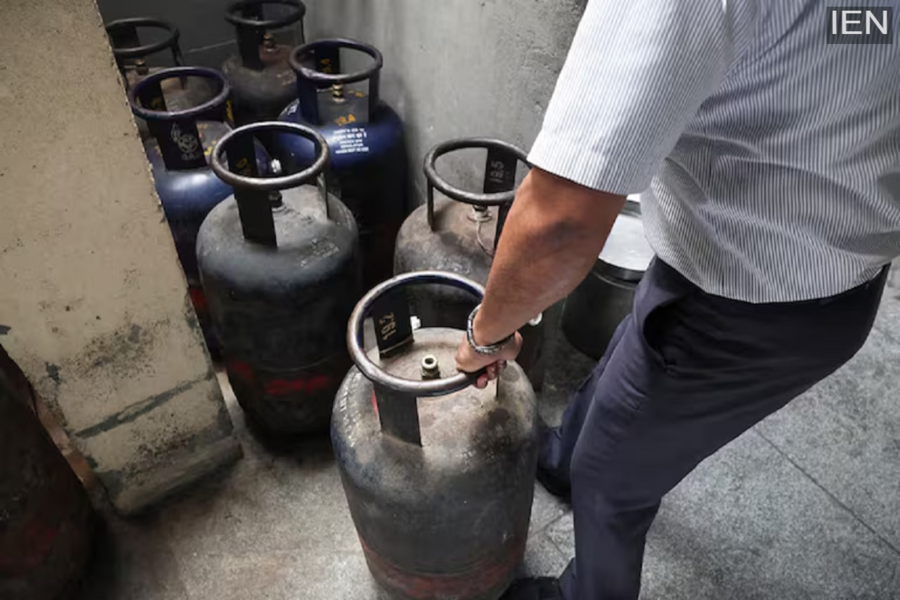
The beginning of May 2026 has brought a significant change in fuel costs that could quietly impact household budgets. While there has been no revision in domestic LPG cylinder prices, the sharp increase in commercial gas cylinder rates from May 1 is expected to have a ripple effect on everyday expenses—especially for those who rely on eating out or food delivery services.
Every month, oil marketing companies review and revise LPG prices based on global input costs and market trends. In the latest update, companies like Indian Oil Corporation have increased the price of 19 kg commercial LPG cylinders, widely used by restaurants, hotels, catering services, and street food vendors.
What Has Changed in LPG Prices?
The most noticeable change is in the pricing of commercial LPG cylinders. In Delhi, the cost of a 19 kg cylinder has jumped from ₹2,078.50 to ₹3,071.50—an increase of ₹993. Similar hikes have been recorded in other metro cities:
- Mumbai: ₹3,024 (up by ₹993)
- Kolkata: ₹3,206.50 (up by ₹998.50)
- Chennai: ₹3,237 (up by ₹990.50)
This steep increase—nearly ₹1,000 per cylinder—has significantly raised operational costs for businesses that depend heavily on commercial gas.
Relief for Households—But Only Directly
On the positive side, there has been no change in domestic LPG cylinder prices. The 14.2 kg household cylinder continues to be available at ₹913 in Delhi and similar levels in other major cities. This means that households will not feel an immediate or direct impact on their kitchen expenses.
However, the story does not end here.
How This Hike Affects Common People
Even though domestic gas prices remain stable, the rise in commercial LPG costs is likely to affect consumers indirectly. Businesses that use these cylinders—such as restaurants, dhabas, cloud kitchens, and tiffin services—will see their expenses rise sharply.
To manage these higher costs, many of them may:
- Increase menu prices
- Reduce portion sizes
- Cut down discounts or offers
As a result, the cost of eating out, ordering food online, or subscribing to tiffin services could gradually increase.
Impact on Small Businesses and Jobs
The effect is not limited to consumers alone. Small food businesses, which often operate on thin margins, may find it difficult to absorb such a steep increase in fuel costs. If the pressure continues, some businesses may be forced to:
- Reduce staff
- Limit operations
- Increase prices aggressively
This could potentially impact employment in the food and hospitality sector, especially among small vendors and roadside eateries.
Why Are Commercial LPG Prices Rising?
Commercial LPG prices are more sensitive to global market conditions compared to domestic cylinders. Factors such as international crude oil prices, currency fluctuations, and supply chain challenges play a major role in determining these rates.
Since commercial cylinders are not subsidized, any increase in input costs is directly passed on to businesses.
City-Wise Price Comparison
Here’s a quick comparison of the price hike in major cities:
- Delhi: ₹3,071.50 (earlier ₹2,078.50)
- Mumbai: ₹3,024 (earlier ₹2,031)
- Kolkata: ₹3,206.50 (earlier ₹2,208)
- Chennai: ₹3,237 (earlier ₹2,246.50)
The increase ranges between ₹990 and ₹1,000 across metros, making it one of the sharper monthly hikes in recent times.
What Should Consumers Do?
While there is no immediate burden on household LPG bills, consumers should be prepared for gradual price increases in food and services. Planning expenses, choosing cost-effective dining options, and keeping track of price changes can help manage the impact.
Final Takeaway
The hike in commercial LPG prices from May 1 may not directly affect your kitchen, but its indirect impact could be felt in your daily spending. From higher restaurant bills to potential changes in food services, the ripple effect of this increase is likely to unfold over the coming weeks. Staying informed and adjusting spending habits accordingly will be key to navigating this change.
