
CNG Pumps Closed in Varanasi; Symbolic Strike Announced—What’s the Full Story?
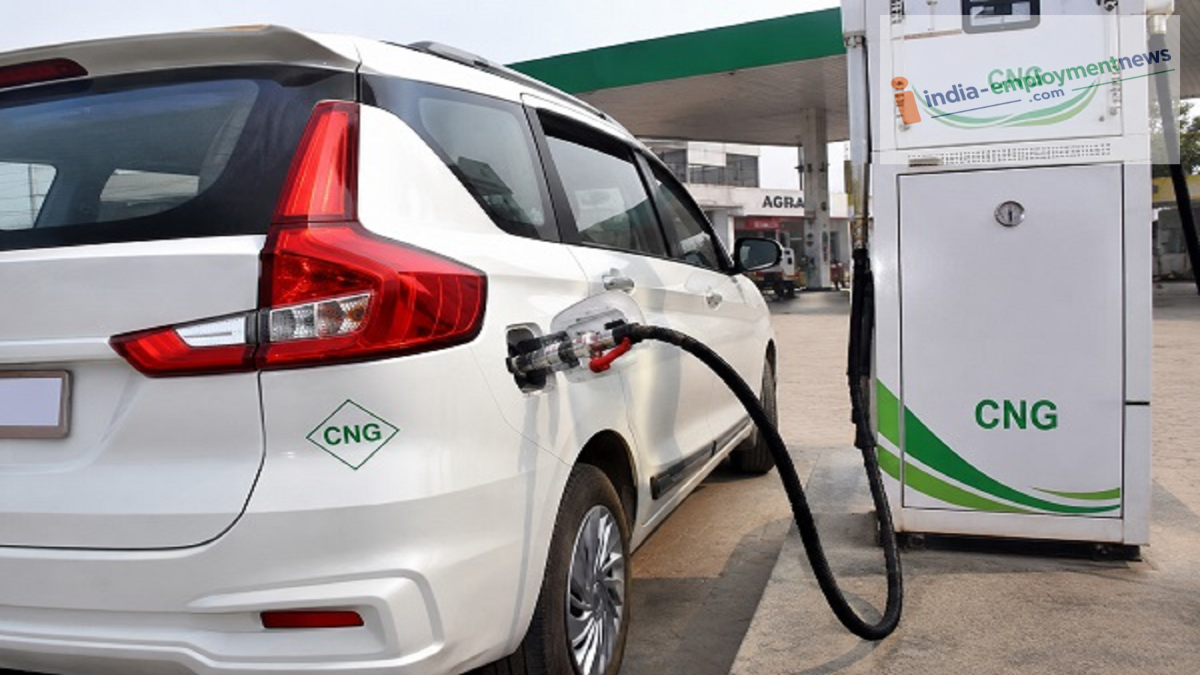
Varanasi is facing a severe shortage of CNG. Due to a dispute between companies and dealers, several CNG stations in the city have shut down, causing significant hardship for the general public.
A breakdown in coordination between the gas supplier (GAIL), oil companies, and dealers has led to the closure of over a dozen CNG pumps in Varanasi, Uttar Pradesh. Additionally, staff members have announced a symbolic strike. The unavailability of CNG has resulted in long queues of CNG-powered vehicles across the city.
It is reported that pump dealers are not receiving payments on time. This has triggered a three-way conflict involving GAIL (India) Limited, the oil companies, and the dealers—a situation that has caused CNG stations in Varanasi to close one by one.
Shortage Exacerbates Difficulties
While CNG was available at various stations just two or three days ago, the closure of more than a dozen outlets has significantly intensified the current crisis.
ABP News spoke with auto-rickshaw drivers waiting in line outside a CNG station. They reported a severe shortage of CNG over the past few days, noting that the closure of multiple stations has made it extremely difficult to obtain fuel, often requiring them to wait in line for hours. The general public is bearing the brunt of this conflict between the dealers and the companies.
Discussions Underway Between Oil Companies and Dealers
In light of the growing difficulties faced by the public, meetings are currently being held between the oil companies and the dealers, with hopes that the dispute will be resolved soon.
What Is the Root of the Dispute?
The issue stems from an agreement between three of the country’s major oil companies—Hindustan Petroleum, Indian Oil, and Bharat Petroleum—and the gas utility company, GAIL (India) Limited. Under this agreement, vehicles are refueled with CNG at these companies' petrol pumps. The oil companies retain a portion of the profits generated from CNG sales and distribute the remainder to the petrol pump owners. In Varanasi, the primary dispute between these two parties concerns the sharing of commissions and the payment of electricity bills.
