
CNG and PNG Prices Hiked: Know the New Rates
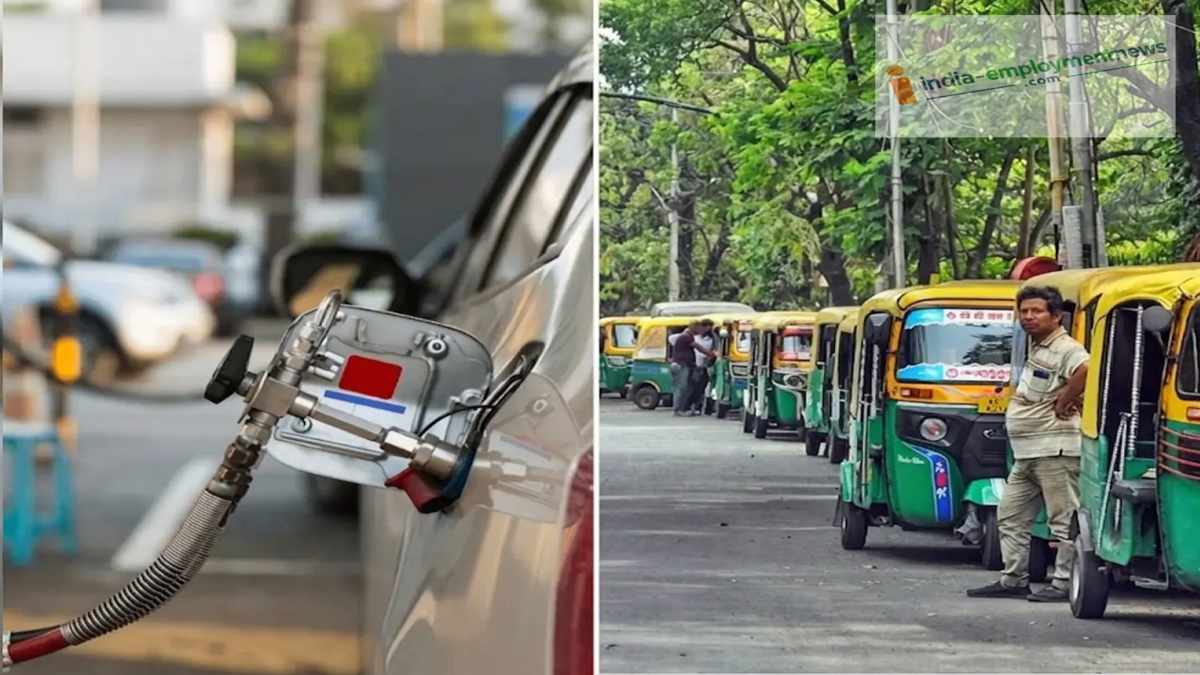
Maharashtra residents have been hit by another price hike. CNG and PNG prices have increased in Pune and Pimpri-Chinchwad. Find out how much you will now have to pay for a kilogram of CNG and for domestic PNG.
The impact of these changes extends from vehicles to household kitchen budgets. In Pune and Pimpri-Chinchwad, Maharashtra, the prices for both CNG and domestic PNG have been raised. Maharashtra Natural Gas Limited has implemented these new rates, which came into effect at midnight on November 12.
Following this revision, the operating costs for CNG-powered vehicles—such as cars, auto-rickshaws, and cabs—will rise. Meanwhile, households that use piped natural gas (PNG) will also face higher monthly bills. In short, you will now need to set aside a bit more in your monthly budget for gas expenses. Read on to learn the new prices for CNG and PNG and the extent of the increase.
How much has CNG become more expensive?
In Pune and Pimpri-Chinchwad, the price of CNG has increased by ₹1.25 per kilogram. The cost has risen from the previous rate of ₹97.75 per kilogram to ₹99 per kilogram. These new rates apply not only in Pune and Pimpri-Chinchwad but also in surrounding areas such as Chakan, Siddharthgaon, and Hinjewadi.
This change most significantly affects those who travel long distances daily in their own vehicles. In particular, auto-rickshaw and cab drivers will now have to spend more every time they refuel.
How much have PNG prices increased?
The impact is not limited to vehicles; households that rely on piped natural gas (PNG) will also face higher costs. The price of domestic PNG in the municipal corporation areas of Pune and Pimpri-Chinchwad has been increased by Rs 1.50 per standard cubic meter (SCM). Following this revision, the new rate for domestic PNG stands at Rs 53 per SCM; previously, it was priced at Rs 51.50 per SCM.
Why have CNG and PNG prices increased?
According to MNGL (Maharashtra Natural Gas Limited), the price hike is attributed to changes in regional factors. Additionally, the cost of imported Liquefied Natural Gas (LNG) has also played a role.
India does not produce enough natural gas domestically to meet its total requirements. To bridge the gap between supply and demand, a portion of the gas must be imported. Consequently, fluctuations in international market prices and rising import costs impact the operational expenses of gas companies—an effect that is now reflected in the current price increase.
