
CJP Protest: How will the AI-powered ‘Detainee Gharwapsi Yojana’ help people get home? Explained simply.
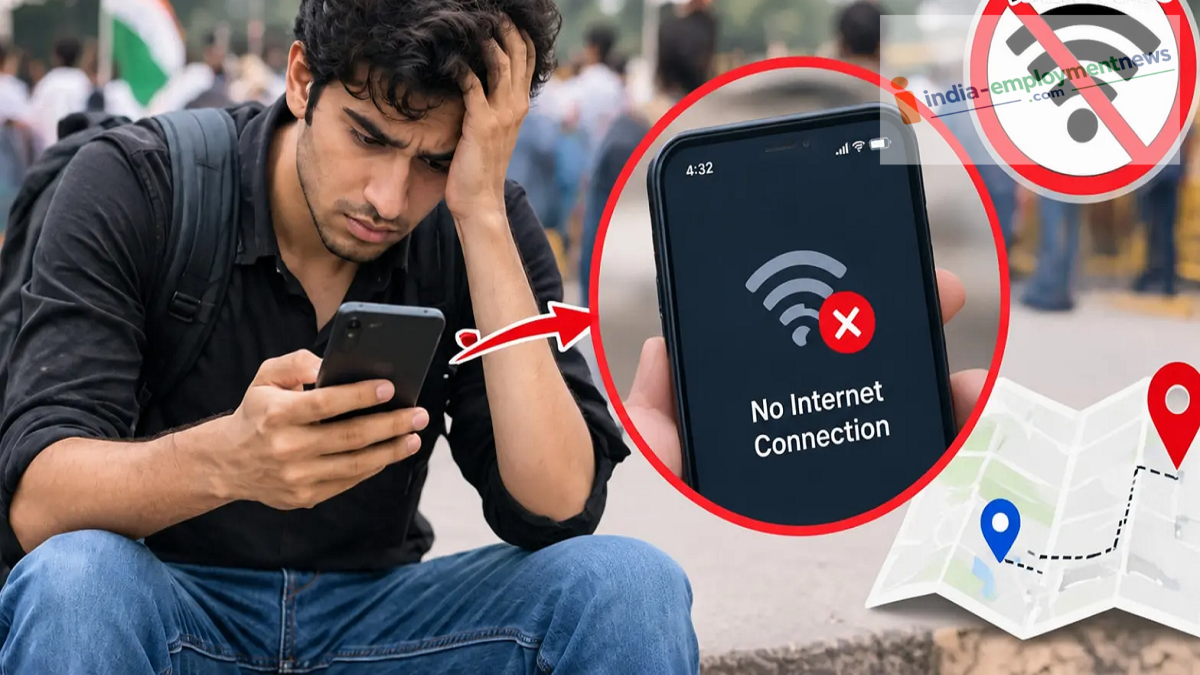
Is returning home difficult after being released from custody? The AI-based 'Detainee Gharwapsi Yojana' offers a solution to help people reach home with the assistance of volunteers. Here is how it works.
A protest is taking place in Delhi today (October 10) against the resignation of Election Commissioner Gyanesh Kumar and the Special Intensive Revision (SIR) of the electoral rolls. Amidst this, reports of internet shutdowns near the protest site have emerged. In such a scenario, if the police release a protester after detaining them, returning home could prove difficult—especially if they are unaware of their current location or struggle to find transport and the correct route home.
In such situations, the AI-powered ‘Detainee Gharwapsi Yojana’ (Detainee Homecoming Scheme) can prove useful. This scheme is designed to assist those released from custody in reaching their homes by providing necessary information and connecting them with volunteers.
What is the ‘Detainee Gharwapsi Yojana’?
During the protest (CJP Protest), police may transport some individuals in buses to various police stations. Consequently, friends and family members might face difficulties in locating them. To address this issue, a young man named Rajiv Chaudhary developed the ‘Detainee Gharwapsi Yojana.’ Its objective is to consolidate information received from individuals and facilitate their return home with the help of volunteers when needed.
How will people contact the volunteers?
According to media reports, volunteers present at the protest site distribute leaflets to people containing an SOS phone number for assistance. If individuals face difficulties getting home after being released from custody, they can call or message this number to seek assistance. Volunteers will help transport them to their destinations.
How does this system work?
Information received from individuals and volunteers—such as the police bus number and the number of passengers on board—is recorded on a digital dashboard. The website then automatically tracks the bus's route.
Subsequently, an operator updates the bus's status based on the available information and contacts nearby volunteers or drivers. If necessary, a driver can be dispatched to the location where the individual was dropped off, helping them reach home.
However, it is important to note that this system is not limited to those who were detained; it can also be useful if you have simply become separated from the crowd and are unsure how to proceed.
