
CIBIL Score: Why does your CIBIL score change even without taking a loan? Here are 5 major reasons..
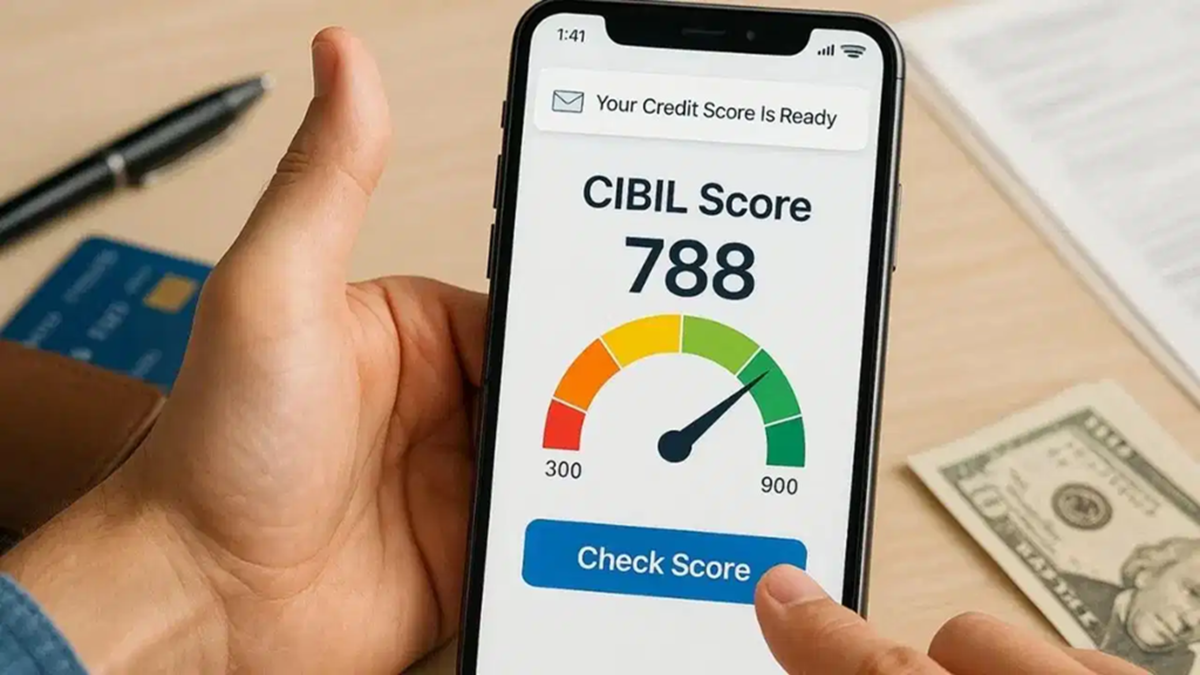
If you haven't taken out a new loan recently but your credit score (or CIBIL score) has changed, there is no need to panic. This is normal. A credit score is not determined solely by the amount of loans you have taken; it is based on your entire credit record, which is updated periodically.
Your credit report contains various details such as credit cards, past loans, payment history, credit limits, outstanding balances, and credit inquiries made by banks or finance companies. Changes in these factors can cause your score to fluctuate.
1. An increase in credit card balance can alter your score
You do not necessarily need to take out a new loan for this to happen. Suppose your credit card limit is ₹2 lakh, and previously, an outstanding balance of ₹20,000 was reflected on the card. If the bank subsequently reports a balance of ₹80,000, your credit utilization ratio could increase—even if you paid the full amount by the due date—simply because the higher balance was recorded at the time the bank reported the data to the credit bureau. This can impact your credit score. In other words, even if you make timely monthly payments, the reported balance can still cause slight variations in your score.
2. Closing an old credit card can also have an impact
Closing an old credit card can alter your credit profile. The length of your credit history is a crucial factor in determining your credit score. Closing a card that has been active for many years can change the overall picture of your credit history. This does not mean you must keep every old card active indefinitely, but you should understand the implications before closing a long-standing, well-maintained card.
3. A credit inquiry can occur even without taking a new loan
Suppose you haven't taken out a new loan but recently applied for a credit card. The bank may check your credit report before approving your application; this process is known as a credit inquiry. According to CIBIL, lender inquiries made for loans and credit cards are recorded in your report. Applying for multiple credit cards or loans within a short period can impact your credit profile. Therefore, it is best to avoid repeatedly applying for credit cards or loans unless necessary.
4. Banks may update existing information
There may be times when you haven't undertaken any new financial activity during a particular month, yet the bank updates your existing information. For instance, a bank might modify details regarding your outstanding balance, payment status, or an old account and report these changes to the credit bureau. This results in changes to your report, which can subsequently alter your credit score. Consequently, a credit score should be viewed as a dynamic figure that shifts in tandem with changes in your credit report.
5. Errors can occur in the credit report
Sometimes, a drop in your score is not due to any fault of your own; it can result from reporting errors made by the bank or the credit bureau. For example, your report might show a record of a loan you never actually took out. A payment could be erroneously marked as late, or an outstanding balance amount might be recorded incorrectly.
Disclaimer: This content has been sourced and edited from TV9. While we have made modifications for clarity and presentation, the original content belongs to its respective authors and website. We do not claim ownership of the content.
