
CIBIL, CRIF, or Experian: Which score does the bank check? Learn the truth and eliminate confusion before taking a loan..
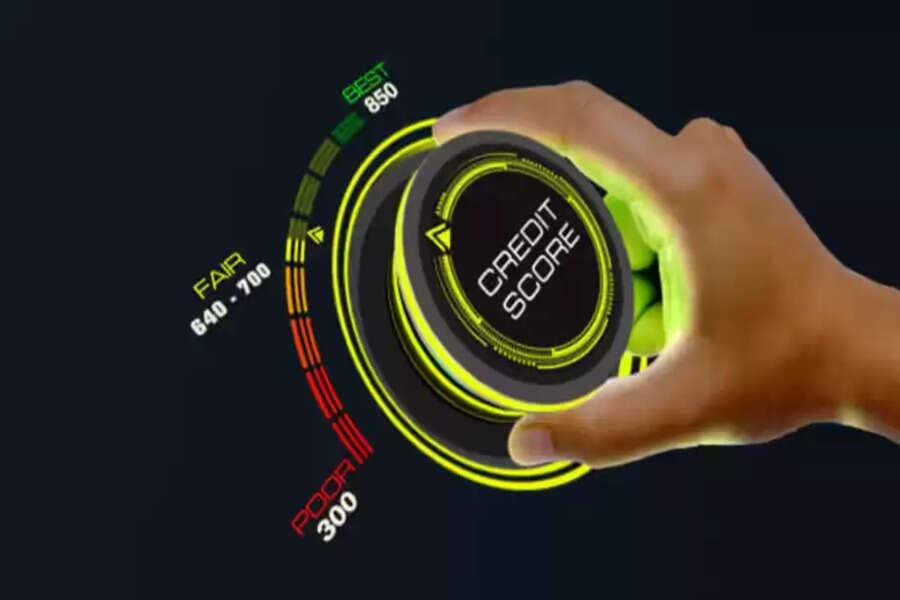
Nowadays, people take out bank loans for every need, big or small—from buying a house to a car, education, business, or even a credit card. But the first thing a bank checks before approving a loan is your credit score. The problem is that there are several credit bureaus in India: CIBIL, CRIF Highmark, Experian, and Equifax, and people often don't understand which one the bank prioritizes and which report it uses to make its decision.
So, now we'll explain in simple terms which reports the bank checks, why there's a difference in scores, and what you should consider before taking out a loan.
1. What are the four credit bureaus in India?
The RBI has approved four credit bureaus in India:
Open ICICI 3-in-1 Account
The all-new Seltos
Kia India
CIBIL (TransUnion CIBIL)
These four bureaus generate credit scores based on your banking and credit behavior. While each bureau's data comes from banks and NBFCs, the method and timing of data updates vary across the board. Therefore, differences in scores may appear.
2. Which credit bureau's report does the bank view?
Most importantly, banks don't rely solely on a single report. Each bank has its own systems and tie-ups. Some banks primarily use CIBIL, while others are affiliated with CRIF Highmark or Experian. However, some banks view reports from more than one bureau. However, one thing is common: if your score is very poor with one bureau, the bank becomes alert even if the other reports are good.
3. Why do scores vary?
People think their CIBIL score is 780, but Experian shows 735—why? The reason is:
Data update times vary across bureaus.
Some banks don't send reports to every bureau.
Errors or mismatched data can also cause scores to fluctuate.
Loan repayment dates are recorded differently in different locations.
This is why information like NPA, bounce, overdue, or settlement information doesn't appear the same everywhere.
4. What else does the bank look at besides the score?
A credit score alone isn't enough to approve a loan.
Banks also examine these five factors:
Repayment history – whether EMIs have ever been late or not.
Credit mix – whether you have more personal loans or secured loans as well.
Credit utilization – how much of your credit card limit have you used?
Number of inquiries – have you applied for many loans?
Total loan liability – how much debt is there compared to your income?
All these factors determine whether you are "low risk" or "high risk."
5. Which score is considered "good" when applying for a loan?
In India, the typical score range is 300–900.
Score levels by bank:
750–900 → Best (High Approval Chances)
700–749 → Good (Approval Possible)
650–699 → Average (High Risk Category)
Below 600 → Difficult to get a loan
Many banks offer low interest rates only for scores of 720+.
6. Do you not get a loan at all if you have a low score?
Some NBFCs and FinTech companies offer loans even with low scores, but the interest rate is very high, and the processing fees are high. Furthermore, the loan amount is lower. Therefore, it is better to improve your score before applying for a loan.
7. How can you improve your score?
Be sure to follow these 5 steps before taking a loan:
Pay all EMIs on time
Keep credit card utilization below 30%
Avoid overdue or settlement payments
Maintain your past credit history
Avoid unnecessary inquiries
Scores begin to appear strong within 6–9 months
Conclusion: Whether CIBIL, CRIF, or Experian, consistently good behavior leads to loan approvals
Every bank checks reports from different credit bureaus as per its convenience, but one thing is clear: if you have a good repayment history, your score will be strong in every report. Before taking a loan, it's important to examine your entire credit profile, not just your score. A strong score not only facilitates loan access but also lowers interest rates. (Note: This news is based on general information; contact the bank for more details.)
Disclaimer: This content has been sourced and edited from Zee Business. While we have made modifications for clarity and presentation, the original content belongs to its respective authors and website. We do not claim ownership of the content.
