
Cheque Bounce Laws Explained: Can a Bounced Cheque Lead to Jail Time? Know Your Legal Rights
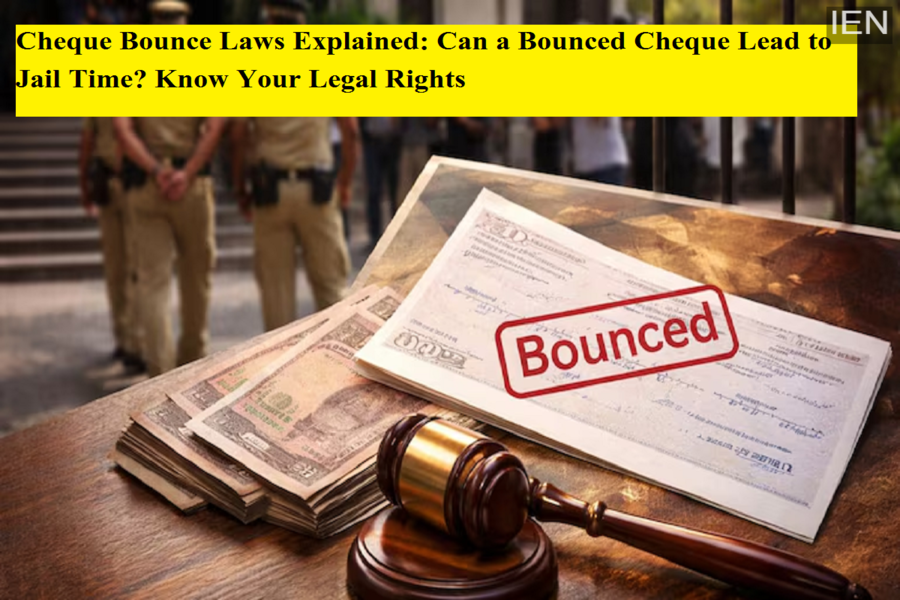
Cheques continue to play an important role in financial transactions across India, particularly for business payments, loans, rent, and large-value settlements. While digital payment methods have gained popularity, cheques remain a trusted instrument for many individuals and organizations. However, issuing a cheque without sufficient funds can lead to serious consequences that go beyond a simple banking error.
Many people are unaware that a bounced cheque may trigger legal proceedings under Indian law. Depending on the circumstances, it can result in financial penalties and even imprisonment. Understanding the legal framework surrounding cheque bounce cases is therefore essential for anyone who uses cheques for payments.
What Does a Cheque Bounce Mean?
A cheque is considered bounced when a bank refuses to honor or process it. The most common reason is insufficient funds in the issuer’s bank account. However, there can be several other causes, including mismatched signatures, overwriting, incorrect account details, expired cheques, or technical issues related to the account.
When a cheque is returned unpaid, the bank issues a cheque return memo explaining the reason for non-payment. The consequences that follow depend on the nature of the transaction and the circumstances behind the cheque bounce.
Legal Provisions Governing Cheque Bounce Cases
In India, cheque bounce matters are primarily governed by Section 138 of the Negotiable Instruments Act, 1881. This provision was introduced to strengthen trust in cheque-based transactions and discourage dishonest financial practices.
The law treats certain cheque bounce cases as criminal offences. However, not every bounced cheque automatically results in criminal liability. Specific legal conditions must be satisfied before legal action can be initiated under Section 138.
When Does Section 138 Apply?
Section 138 comes into effect when a cheque has been issued towards the repayment of a legally enforceable debt or financial liability and is subsequently dishonored by the bank.
For legal proceedings to be initiated, the following conditions generally need to be fulfilled:
-
The cheque must have been issued against an existing debt, loan, or payment obligation.
-
The cheque should be presented within its validity period.
-
The cheque must be dishonored due to insufficient funds or reasons attributable to the account holder.
-
The recipient must follow the legal procedure prescribed under the law.
If these requirements are met, the cheque issuer may face legal consequences.
What Happens After a Cheque Is Dishonored?
The law provides a structured process for handling cheque bounce disputes.
Once the cheque is returned unpaid, the payee (the person entitled to receive payment) must send a written legal notice to the cheque issuer. This notice must generally be issued within 30 days of receiving information from the bank regarding the dishonor.
After receiving the notice, the cheque issuer gets 15 days to clear the outstanding payment. If the payment is made within this period, the matter can usually be resolved without court intervention.
However, if the amount remains unpaid after the prescribed period, the recipient can file a complaint before the appropriate court and initiate legal proceedings.
Can a Person Be Sent to Jail for a Bounced Cheque?
Yes, imprisonment is possible in certain cheque bounce cases if the court finds the accused guilty under Section 138 of the Negotiable Instruments Act.
Upon conviction, the court may impose:
-
Imprisonment of up to two years.
-
A monetary fine that may extend to twice the cheque amount.
-
Both imprisonment and a fine, depending on the facts of the case.
The final punishment depends on the circumstances, evidence presented, and the court’s assessment of the matter.
Situations Where Section 138 May Not Apply
It is important to understand that not every dishonored cheque falls within the scope of Section 138.
The provision may not apply in situations such as:
-
Cheques issued as gifts without any underlying financial liability.
-
Transactions where no legally enforceable debt exists.
-
Certain technical errors that are not linked to insufficient funds or wrongful conduct by the issuer.
-
Cases where mandatory legal procedures are not followed by the complainant.
Each dispute is examined based on its specific facts, and courts determine whether criminal liability exists.
Precautions to Avoid Cheque Bounce Problems
Cheque issuers can significantly reduce legal risks by following a few simple precautions:
-
Ensure sufficient balance is available before issuing a cheque.
-
Verify the payee’s name, amount, and date carefully.
-
Avoid overwriting or alterations.
-
Use the same signature registered with the bank.
-
Monitor account activity regularly to prevent accidental dishonor.
Even a minor error can lead to payment rejection and potential legal complications.
Why Awareness of Cheque Laws Matters
Many cheque bounce disputes arise due to negligence, lack of awareness, or failure to maintain adequate funds. Understanding the legal implications of issuing a cheque can help individuals and businesses avoid unnecessary litigation, penalties, and financial losses.
While cheques remain a convenient and trusted payment method, they also carry legal responsibilities. Taking a few precautionary steps before issuing a cheque can save considerable time, money, and legal trouble in the future.
