
CCTV Rules: Know these rules before installing CCTV outside your home to avoid serious trouble
CCTV Rules: Is there a CCTV camera installed outside your home? If so, this news is relevant to you. Installing a camera incorrectly can lead to trouble. Find out how.
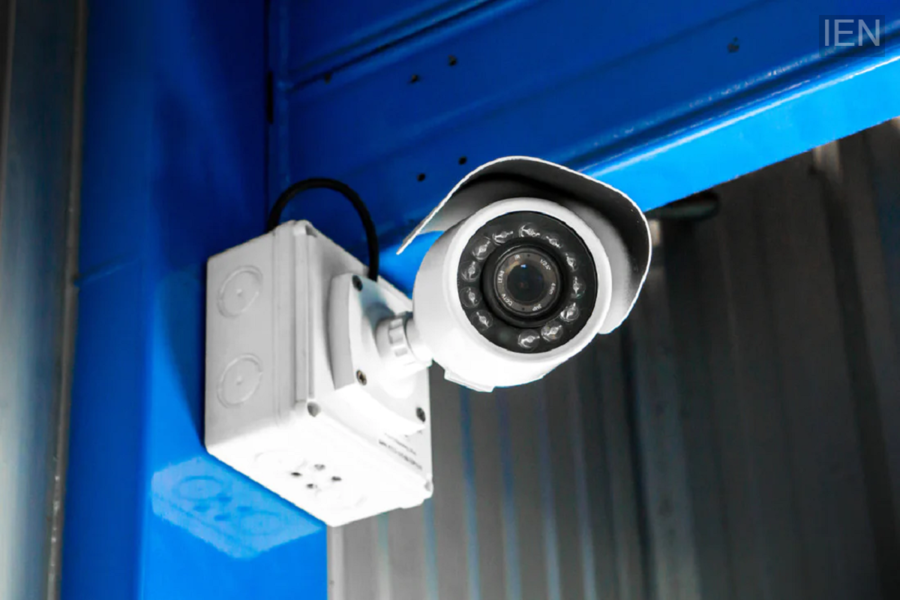
CCTV Rules: In light of rising crime, many people install CCTV cameras outside their homes. Some also install cameras inside—for instance, to monitor domestic help or for general security. Installing a camera isn't a crime, as people do it to protect themselves and their property; however, there are important rules to follow. Ignoring them could land you in legal trouble.
Position the camera angle correctly.
- When installing a CCTV camera, ensure it focuses only on your own property.
- If a vehicle belonging to you is parked outside your home, the camera should focus solely on that vehicle.
- The camera should never record towards a neighbor's gate or window, as this is considered an invasion of privacy.
- Why should the gas stove be placed higher than the cylinder in the kitchen? Learn this crucial safety fact.
Improper installation can lead to legal action
- Under Article 21 of the Indian Constitution, every individual has a right to privacy.
- Therefore, recording someone's personal activities is wrong.
- Doing so can invite legal action.
- In serious cases, it could lead to imprisonment and fines.
- Recording audio, not just video, is also a violation.
Many modern CCTV cameras record audio as well. If a camera records a neighbor's private conversations, it is considered an invasion of privacy. Consequently, doing this can also get you into trouble.
Keep these points in mind when installing CCTV.
Ensure the camera focuses primarily on your main gate.
Install CCTV solely for security purposes. Do not install CCTV cameras to monitor another person's private affairs.
If a neighbor's house falls within the camera's range, obtain a written NOC (No Objection Certificate) or consent from them beforehand.
