
Caution! These 5 major tasks could get stalled without a PAN card; Income Tax Department rules are strict.
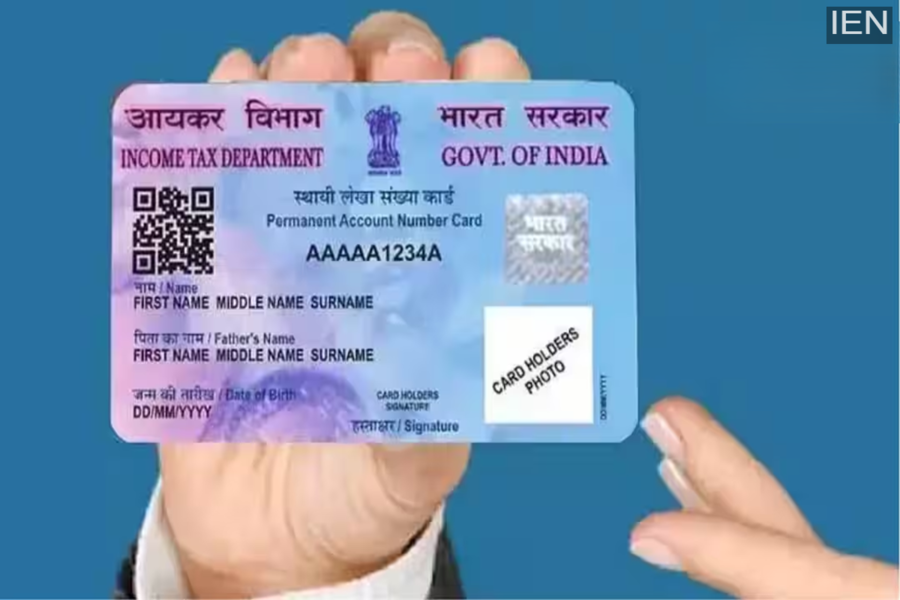
PAN Card Rules: In India, the PAN is no longer just an identity document; it has become an integral part of your financial life. The Income Tax Department has made quoting the PAN mandatory for numerous transactions.
PAN Card: You invariably need a PAN card when opening a bank account, investing in mutual funds, purchasing property, or making significant purchases. While most people are aware that a PAN is essential for filing income tax returns, many do not realise it is also mandatory for various other financial transactions. Failure to provide a PAN—or providing an incorrect one—can lead to delays, higher tax deductions, regulatory compliance issues, or even the rejection of the transaction.
Financial transactions requiring a PAN
The PAN serves as a crucial identifier for tax purposes and is mandatory for several specific financial transactions. Some common transactions requiring a PAN include:
Purchase or sale of immovable property exceeding ₹20 lakh.
Purchase or sale of goods or services exceeding ₹2 lakh per transaction.
Purchase or sale of unlisted shares exceeding ₹1 lakh per transaction.
Purchase or sale of a motor vehicle or motorcycle exceeding ₹5 lakh per transaction.
Opening a Demat account or making specific investments in securities and financial instruments.
The objective is to enable the tax department to monitor high-value transactions and link them to the taxpayer's declared income and tax profile.
What to do if you don't have a PAN card?
If you do not possess a PAN card but are undertaking any of the aforementioned transactions, you are required to fill out and submit Form 60. However, providing incorrect information can attract a penalty of ₹10,000 under Section 272B of the Income Tax Act. According to a report by The Financial Express, Sandeep Bhalla, a partner at Dhruva Advisors, stated, "If a transaction or the income derived from it is not correctly reflected in the taxpayer's income tax return, the tax department may seek clarifications regarding the source of funds, the nature of the transaction, or the tax treatment adopted." He further added, "Thus, while a failure to provide a PAN can disrupt a transaction, discrepancies between reported financial transactions and the income declared in tax returns can invite scrutiny or notices from tax authorities."
