
Can the bank forcibly seize your car in case of an EMI default? Know your legal rights..
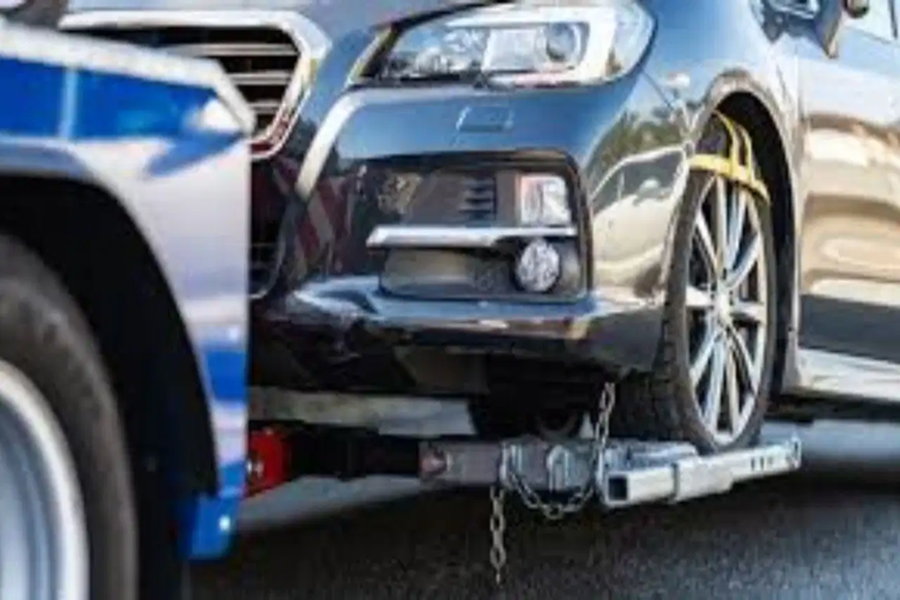
In India, a vehicle is not merely an asset but an integral part of daily life; people rely on it to commute to work, drop children at school, or earn a livelihood. Naturally, receiving calls from recovery agents representing banks or finance companies after missing a few EMIs can be stressful. However, borrowers should be aware that the law and RBI regulations grant them specific rights, and banks cannot arbitrarily seize a vehicle.
Can a bank seize the vehicle after just one or two missed EMIs?
According to experts, a bank cannot immediately seize a vehicle simply because one or two EMIs have been missed. It must adhere to the procedures outlined in the loan agreement and its own recovery policy. RBI guidelines mandate that banks and financial institutions provide full details regarding vehicle seizure, notices, and the recovery process at the time the loan is granted. While recovery proceedings may be initiated in the event of persistent default, established rules must be followed.
What notices must be issued before seizing the vehicle?
Before seizing the vehicle, the bank is required to inform the borrower about the recovery process. The loan agreement must clearly specify the actions to be taken in the event of a default, the circumstances under which the vehicle may be seized, and the subsequent procedure. If recovery agents are appointed, the customer must be informed about them. Seizing a vehicle abruptly without prior notice is not considered proper procedure.
Can recovery agents forcibly take away the vehicle?
No. Under RBI regulations, recovery agents are strictly prohibited from using threats, intimidation, abusive language, or force under any circumstances. They must operate while carrying authorized identification and letters of authorization. Treating the borrower with respect is mandatory; public humiliation, coercion, or harassment constitutes a violation of the rules.
What should you do if recovery agents harass you?
If you believe that a recovery agent has violated the rules, the first step is to preserve all evidence. Keep a record of calls, messages, dates, and times. Subsequently, file a formal complaint with the bank or financial institution. If the issue remains unresolved, you can approach the RBI's grievance redressal system, the consumer commission, or the courts.
Can the vehicle be reclaimed after seizure?
In many instances, even after a vehicle is seized, the borrower is allowed to reclaim it by paying the outstanding amount. Banks usually provide a written statement specifying the payment required to retrieve the vehicle. However, since this window may be limited, prompt action is essential.
What happens before the vehicle is auctioned?
Before selling or auctioning the vehicle, the bank is required to issue a pre-sale notice to the borrower. The objective is to ensure transparency and secure a fair price for the vehicle.
Who gets the surplus amount if the vehicle is sold?
If the proceeds from the sale exceed the outstanding loan, interest, and recovery costs, the surplus amount belongs to the borrower. In such a scenario, the customer should request a detailed account of the sale price, outstanding loan, interest, recovery expenses, and the final settlement.
What is the key takeaway?
Missing a few EMI payments does not mean the bank can immediately seize your vehicle. RBI regulations protect borrowers' rights and mandate that banks follow a prescribed procedure. If you are facing difficulties in repaying EMIs, contacting the bank in a timely manner is the best course of action; often, a solution can be reached through dialogue, avoiding the need for vehicle seizure.
Disclaimer: This content has been sourced and edited from TV9. While we have made modifications for clarity and presentation, the original content belongs to its respective authors and website. We do not claim ownership of the content.
