
Can ordinary students contest DUSU elections? What are the rules?
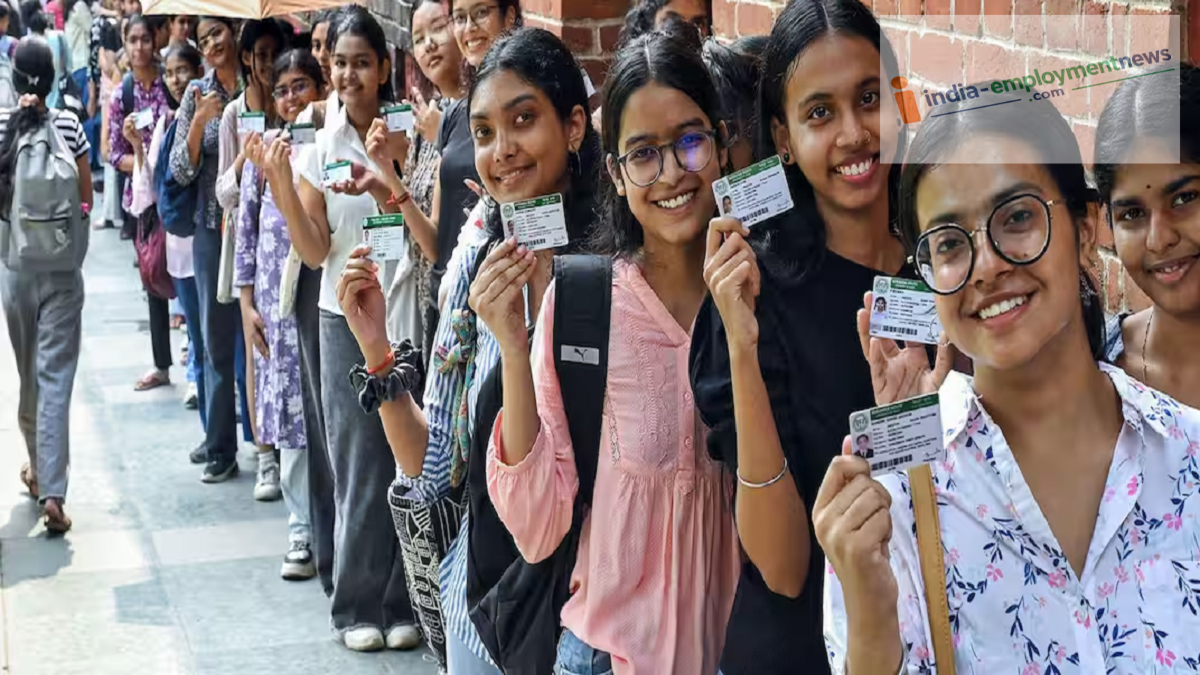
Any regular student at Delhi University can contest the student union elections. Mandatory requirements include a minimum of 75% attendance, a clean criminal record, and an age limit of 17–22 years for undergraduate students.
The Delhi University Students’ Union (DUSU) election is an annual event that grabs headlines across the campus. Amidst the posters, rallies, and slogan-shouting, many students wonder if any ordinary student can stand as a candidate or if specific conditions must be met. DUSU elections are conducted based on the recommendations of the Lyngdoh Committee, and candidates must fulfill certain established rules. Let us find out who is eligible to contest and what the regulations are.
Age Limit Prescribed
It is not just age; class attendance is also a crucial criterion for candidacy. According to the Lyngdoh Committee’s recommendations, a student contesting the election must have a minimum attendance of 75%. Recently, the Delhi High Court upheld this rule, clarifying that the college administration can reject the nomination of any student whose attendance falls below this threshold. This rule was implemented to ensure that students contesting elections remain focused on their academics.
Disciplinary Record is Also Scrutinized
To be eligible as a candidate, a student must not have any academic backlogs (pending papers) from previous semesters or years. Furthermore, a student facing police action or a registered case at the college or university level may be barred from contesting. These conditions ensure that only students with clean academic and disciplinary records participate in the election.
Admission Date Matters
To both vote and contest the election, a student must have secured admission to the respective college, department, or institute by the prescribed date. Every year, the university-appointed election officer sets a cut-off date and time; students admitted after this deadline are ineligible to participate in that year’s election. For first-year students who do not yet possess an identity card, special arrangements are made allowing them to participate based on documents such as fee receipts and bonafide certificates.
There are also established rules regarding campaign expenditure and canvassing.
A spending limit of ₹5,000 has been set for each candidate’s election campaign. Additionally, campaigning is permitted only between 8:00 AM and 8:00 PM, and only a limited number of students may accompany a candidate during these activities. The objective of these regulations is to ensure a transparent election process and prevent any significant negative impact on the campus environment. Ultimately, any regular student can contest the DUSU election, provided they meet the prescribed criteria regarding age, attendance, academic record, and admission status.
