
Can fingerprints be reset like passwords? Scientists' new discovery stuns everyone.
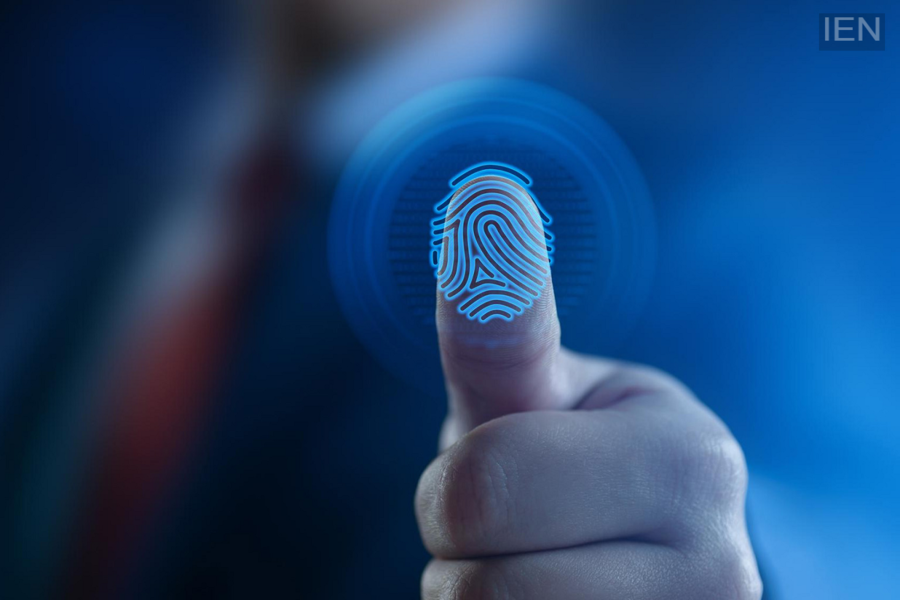
How to Reset Fingerprint: Even if biometric data is stolen, it could be deactivated, allowing a new version of your fingerprint to be generated.
How to Reset Fingerprint: In today's digital age, privacy has become a necessity. Cyber fraud and data theft are rising rapidly. Consequently, people use security measures like passwords, fingerprints, and face scans on their devices. Biometrics are now being used almost everywhere. But what happens if your biometric data itself gets stolen? While you can easily reset a standard password, have you ever wondered what it would be like if you could reset your fingerprint just like a password? Scientists have recently made a discovery that has astonished everyone. Let’s find out more about it.
A New Discovery by Scientists
According to reports, a recently published study introduces a new method involving "revocable" or "cancelable" biometrics. The goal is to ensure that if your biometric data is stolen, it can be deactivated, allowing a new version of your fingerprint to be created. This means that in the future, people will be able to reset their fingerprints just as they do with ordinary passwords.
The Biggest Weakness of Biometric Data
For context, if your password is stolen, you can change it immediately. But consider this: if scans of your eyes or fingerprints are stolen, how would you change them? This highlights the major vulnerability of biometrics—if a cybercriminal gets hold of your fingerprint or iris data, the consequences could be severe. Once biometric data is leaked, it remains a lifelong security risk for you.
How Does This Technology Work?
According to reports, scientists have utilized various advanced computer technologies to develop this system. This is where the actual process begins: specific characteristics of the fingerprint—such as its pattern, size, and minutiae points—are identified. Once accurately identified, the fingerprint is transformed to create a new version that is completely distinct from the original.
Following this, the data is encrypted and compressed to enhance security. This ensures that hackers cannot reconstruct the original fingerprint from the processed data.
