
Can a Daughter Claim Property If Father Sold It to Sons? Here’s What the Law Says
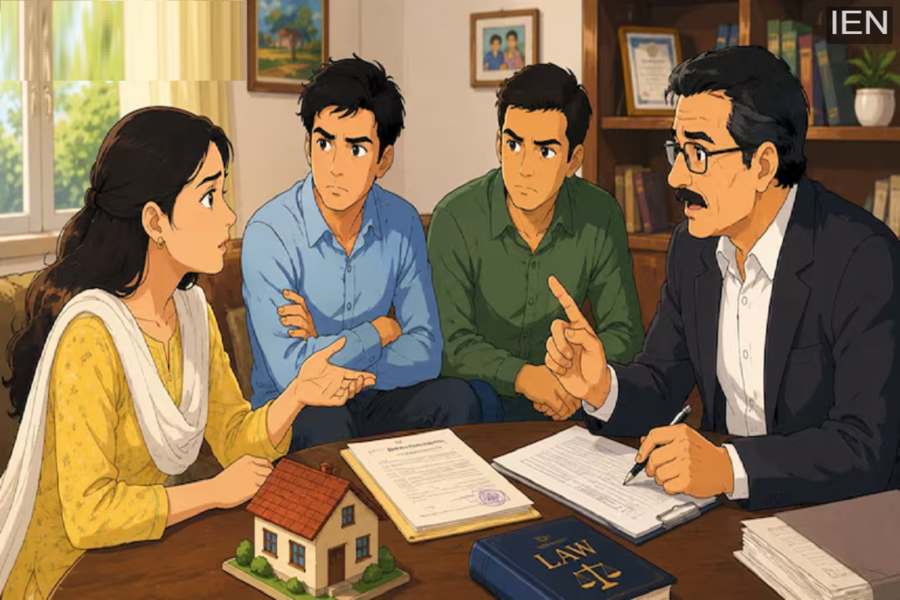
Property disputes within families are among the most common legal conflicts in India, especially when daughters later discover that their father transferred or sold property to sons during his lifetime.
A recent case from Odisha has once again raised an important legal question:
Can a daughter claim rights over property that her father already sold to his sons while he was alive?
The answer largely depends on one key factor — whether the property was self-acquired or ancestral.
What Was the Case?
According to the reported case, a woman claimed that:
- Her father had four children — two sons and two daughters
- One unmarried sister later passed away due to cancer
- Their father had sold his land in Bhubaneswar to both sons in 2005
- The brothers later constructed houses on the land
- The father passed away in 2015
- The daughter only recently came to know about the sale
She wanted to know whether she could legally claim a share in that property.
What Does Hindu Law Say?
Legal experts clarified that the most important point here is that the land was reportedly the father’s self-acquired property.
Under Hindu property law, a person has full legal authority over property purchased or earned through their own income. Such property can legally be:
- Sold
- Gifted
- Transferred
- Willed to anyone
The owner can transfer it to:
- Sons
- Daughters
- Relatives
- Even unrelated individuals
without requiring permission from legal heirs.
Can the Daughter Challenge the Sale?
In most situations, no.
If the father legally sold the property during his lifetime, daughters generally cannot challenge that sale later simply because they were not informed.
Courts usually recognize the owner’s legal right to dispose of self-earned property according to personal choice.
That means:
| Situation | Daughter’s Legal Position |
|---|---|
| Father sold self-acquired property while alive | Usually cannot claim ownership later |
| Father gifted property to sons | Challenge becomes difficult |
| Father transferred property through valid sale deed | Sale generally remains legally valid |
When Can a Daughter Get Equal Rights?
A daughter can legally claim equal rights when:
- The property is ancestral property, or
- The father dies without a valid will, leaving property behind in his name
In such cases, daughters become equal legal heirs under the Hindu Succession Act.
This means daughters have equal inheritance rights alongside sons.
What Happens If Property Was Already Sold?
If the father already sold the property before death:
- The property legally no longer belongs to him
- It does not form part of inheritance after death
- Legal heirs usually cannot demand division of that sold asset
This is why experts believe challenging such transfers later becomes extremely difficult.
Difference Between Self-Acquired and Ancestral Property
| Self-Acquired Property | Ancestral Property |
|---|---|
| Bought through personal income | Passed down through generations |
| Owner has full control | Family members may have birth rights |
| Can be sold freely | Partition rights may exist |
| Legal heirs get rights only after death (if unsold) | Children may already hold legal interest |
Could the Daughter Still Claim Any Share?
Yes — but only under certain conditions.
If the father left behind:
- Another house
- Land
- Bank deposits
- Investments
and did not leave a valid will for those assets, then all legal heirs — including daughters — may claim equal shares.
Important Legal Advice
Property disputes can become legally complicated depending on:
- Nature of ownership
- Sale deed validity
- Family partition records
- Will documents
- Revenue records
Anyone facing a similar situation should consult a qualified property lawyer before filing claims or legal objections.
Final Takeaway
If a father legally sells his self-acquired property during his lifetime, daughters generally cannot claim ownership rights over that property later. However, daughters continue to enjoy equal inheritance rights in ancestral property and in assets left behind without a valid will.
Understanding the distinction between self-acquired and inherited property remains extremely important in Indian family property matters.
