
Buying a Home? Check These 5 Crucial Documents to Avoid Costly Property Mistakes
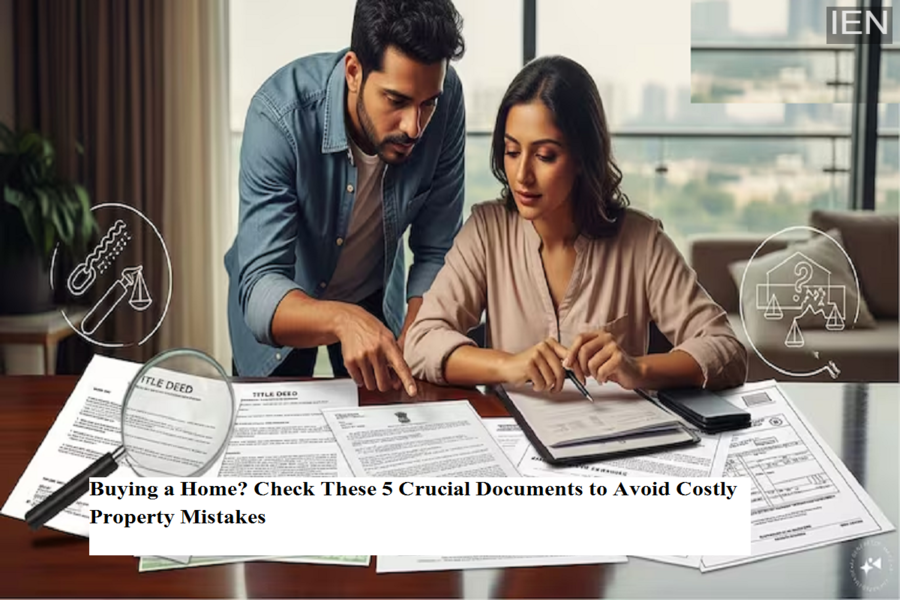
Purchasing a home is one of the biggest financial decisions in a person’s life. It typically involves years of savings and long-term planning. Because of the high stakes, verifying all legal documents before finalizing any property deal is absolutely essential. Skipping due diligence can expose buyers to legal disputes, hidden liabilities, or financial losses later.
Property experts strongly recommend carefully reviewing key ownership and compliance papers to ensure the transaction is legally sound and risk-free. Here are five must-check documents every homebuyer should verify before signing the deal.
1. Title Deed: Confirm the True Ownership
The title deed is the primary document that establishes who legally owns the property. Before proceeding, buyers must verify that the seller has a clear and marketable title and full legal rights to transfer the property.
It is equally important to examine the chain of ownership — meaning the record of previous owners — to ensure there are no disputes, claims, or breaks in ownership history. A clean title significantly reduces the chances of future legal complications.
Tip: Always match the seller’s identity with the name mentioned in the title deed.
2. Encumbrance Certificate: Check for Hidden Loans or Claims
An Encumbrance Certificate (EC) reveals whether the property carries any financial or legal liabilities, such as loans, mortgages, or pending claims. This document is issued by the local sub-registrar’s office and provides a transaction history for the property over a specified period.
Buyers should ideally review EC records covering multiple years to ensure there are no undisclosed debts attached to the property. Purchasing a property with an existing encumbrance can lead to serious financial trouble.
Why it matters: The EC helps confirm that the property is free from hidden financial obligations.
3. Sale Deed: The Core Ownership Transfer Document
The sale deed is the most critical legal document in a property transaction. It officially transfers ownership from the seller to the buyer once the deal is completed.
This document must be properly drafted, executed, and registered with the appropriate authority. It typically includes complete details of the property, agreed sale price, and the identities of both buyer and seller.
Before signing, buyers should carefully verify all information mentioned in the sale deed to avoid discrepancies.
Important: An unregistered sale deed has little legal standing.
4. Approved Building Plan and Occupancy Certificate
If you are buying a flat or a ready-to-move house, ensure that the building plan has been approved by the local municipal authority. Unauthorized constructions can attract penalties and may even face demolition risks.
Additionally, check the Completion Certificate (CC) and Occupancy Certificate (OC). These documents confirm that the building has been constructed according to approved plans and is safe for habitation.
Without an OC, homeowners may face difficulties in obtaining water, electricity, or home loans in the future.
Red flag: Avoid properties where the builder cannot provide these approvals.
5. Property Tax Receipts and Mutation Records
Latest property tax receipts confirm that all municipal taxes have been paid up to date. Any unpaid dues may become the buyer’s responsibility after purchase.
Mutation records are equally important because they show whether the property is officially recorded in the seller’s name in government land records. This step ensures the ownership details are properly updated with local authorities.
Best practice: Always ask for recent tax payment proof and verified mutation entries.
Why Document Verification Is Non-Negotiable
Thorough document verification protects buyers from fraud, ownership disputes, and unexpected financial liabilities. It also ensures smoother loan approvals and resale in the future.
Real estate advisors recommend consulting a qualified property lawyer or legal expert before finalizing any purchase. A small investment in legal verification today can prevent major losses tomorrow.
Bottom Line: Never rush a property deal. Carefully checking these five documents can save you from years of legal stress and financial setbacks.
