
Business Tips: What factors should be kept in mind before starting a startup? know here...
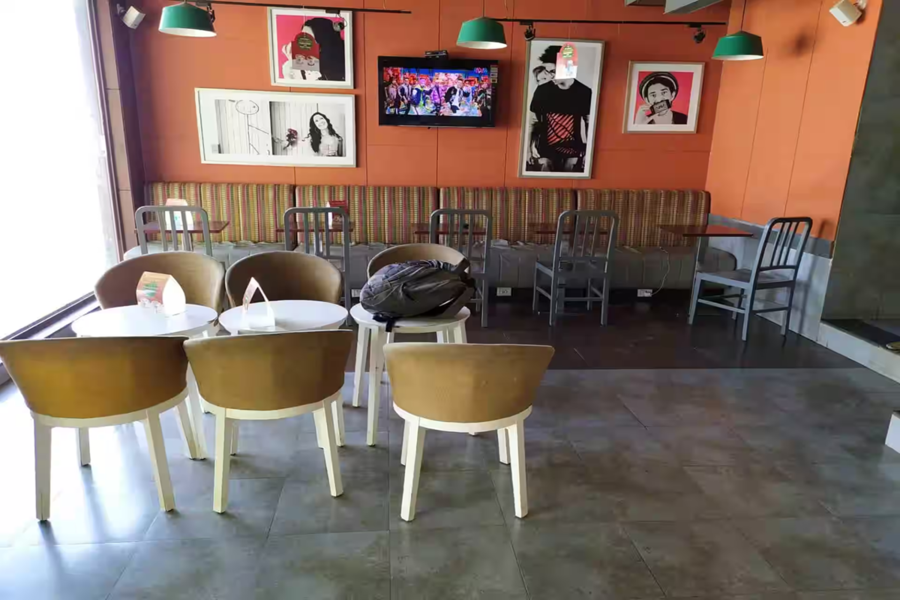
There was a time when people in a city preferred only one or two famous coffee shops, but today, the scenario has completely changed. New cafes are opening every month, from major metropolises to smaller towns. Leveraging beautiful interiors, specialty coffee, live music, and attractive menus, these cafes are drawing in young people. At first glance, opening a cafe might seem like a lucrative venture, but the reality is quite different. While a large number of new cafes launch every year, many shut down within just a few months or a year or two. The question arises: why does this happen? Is good coffee or delicious food enough to make a cafe successful, or are there underlying business strategies that, if ignored, force entrepreneurs to close shop?
India's cafe industry is evolving rapidly. Customers no longer visit just for the coffee; they seek an experience worth sharing on social media. Factors such as internet connectivity, comfortable seating, superior service, digital payments, online ordering, loyalty programs, and dynamic menus now determine a cafe's success. Industry experts predict that India's cafe market will grow even faster in the coming years; however, surviving in this expanding market requires more than just good taste—it demands a robust business model, the right location, the use of technology, and an understanding of shifting customer preferences. This is why successful cafes today sell an entire experience rather than just coffee. Surveys indicate that cafes have become an integral part of daily life, with many customers visiting at least once a week.
How many cafes open?
According to available data, an average of 5,000 to 6,000 new cafes and coffee outlets open in India annually. While starting a cafe or restaurant business in India may appear easy, sustaining it over the long term is a far greater challenge. Industry estimates indicate that approximately 60% of cafes—amounting to 3,600 establishments—shut down within their first year of operation. Furthermore, 80% to 85% of cafes close their businesses within five years.
**Cafes Selling an Experience**
Today’s customers do not visit cafes solely to drink a cup of coffee; they seek spaces where they can comfortably work, meet friends, or take photos for social media. Consequently, modern cafes are investing more than ever in their interiors, lighting, music, seating arrangements, and overall ambiance. Many cafes are now positioning themselves as "work cafes" or community spaces. According to coffee and beverage consultants, there are over 70,000 cafes in the country, and this number is steadily rising; in 2025 alone, major cafe brands opened more than 600 new outlets nationwide.
**It’s All About Quality and Ambiance**
This figure represents a growth of approximately 12% to 13% compared to the previous year. Alongside major chains, small and independent cafes are also rapidly opening on main city streets, in residential neighborhoods, and in emerging business districts. Years ago, a coffee priced at ₹250 seemed exorbitant, yet today, spending between ₹250 and ₹350 for a cup of coffee in major cities has become commonplace. However, customers are not paying merely for the coffee itself; they are willing to pay a premium only when offered high quality, an excellent atmosphere, and superior service. In essence, the competition among cafes has shifted from simply selling affordable coffee to delivering a superior customer experience.
Key Changes Required
Healthy and nutritious menu
Rising trend of 'work cafes'
Marketing via social media
Food quality and hygiene
Eco-friendly initiatives (sustainability)
Gaming and other recreational activities
Attractive interiors and a pleasant ambiance
Healthy and nutritious menu – Nowadays, people often choose a cafe based on its menu. There has been a recent surge in awareness regarding health and diet; consequently, options like sugar-free, high-protein, and vegan items are becoming part of the menu.
Rising trend of 'work cafes' – Many people now prefer working or studying in cafes, making high-speed internet, charging points, and comfortable seating arrangements essential. Cafes are being designed with these needs in mind.
Marketing via social media – Today, a cafe's identity is defined not just by its signage, but by its Instagram Reels and online reviews. Customers often view photos and videos on social media before deciding to visit.
Food quality and hygiene – When customers invest their time and money, they do not want to compromise on taste. If a cafe is clean and the food is delicious, customers are likely to return.
Disclaimer: This content has been sourced and edited from TV9. While we have made modifications for clarity and presentation, the original content belongs to its respective authors and website. We do not claim ownership of the content.
