
Bumper Earnings in 90 Days: Plant Toriya in Fallow Fields; Reap High Profits with Low Water and Input Cost
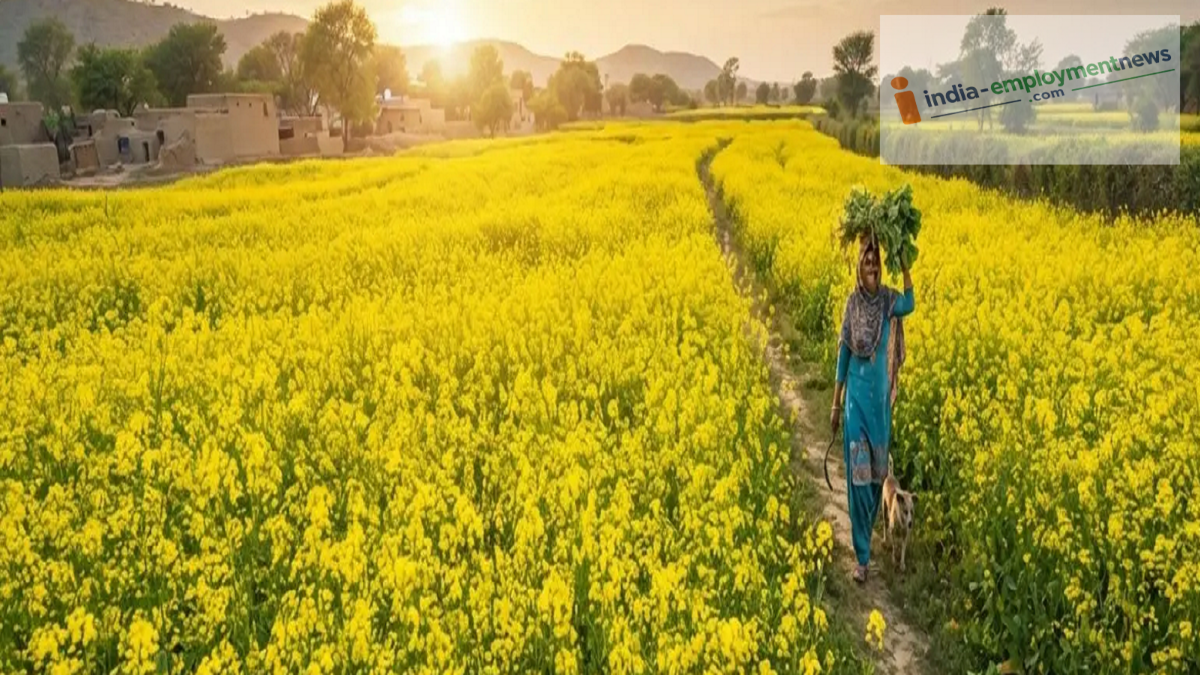
Earn excellent profits by cultivating Toriya in just 90 days. Requiring minimal water and investment, it offers farmers a chance for "bonus earnings" without hindering the subsequent crop.
Agriculture Update: Cultivating Toriya in fields left fallow after the Kharif harvest is proving to be a profitable venture for farmers. This oilseed crop matures in just 90 days and requires very little water or fertilizer. It offers farmers a fantastic opportunity for additional income before the main Rabi season begins. It is important not to confuse Toriya with *Torai* (ridge gourd); Toriya actually belongs to the mustard family. Its seeds yield high-quality oil, and the resulting oil cake serves as both animal feed and fertilizer.
High Returns in a Short Window: Before Sowing Wheat and Potatoes
After the Kharif harvest and before sowing wheat or potatoes, farmers' fields often lie empty. During this period, farmers often wonder which crop to plant—one that ensures optimal land use while generating good income.
Agriculture Department Actively Raising Awareness
If you are facing this dilemma, Toriya cultivation could be the ideal solution for you. This crop matures quickly with minimal water and very low input costs, effectively boosting farmers' earnings. For this reason, the Agriculture Department is actively encouraging farmers to cultivate it.
Harvest in 90 Days; No Obstacle for the Next Crop
Toriya's standout feature is its short maturity period. The crop is ready for harvest in just 90 days—approximately three months. If sown in September, the crop is ready to be harvested by the end of November. Immediately thereafter, farmers can proceed to sow wheat, potatoes, or late-sown mustard on time and without delay. A Source of 'Bonus Income' for Farmers
Agricultural experts consider *Toria* a 'bonus crop' for farmers. By cultivating *Toria* in fields that would otherwise lie fallow for 2–3 months after the paddy or maize harvest, farmers can earn income from a new crop without needing additional land. Generating cash before the main *Rabi* crops are harvested also makes it easier for farmers to purchase fertilizers and seeds for the upcoming season.
Significant Savings on Water and Costs
*Toria* cultivation requires neither excessive fertilizer nor expensive seeds. Compared to other crops, the risk of pest infestations and diseases is also significantly lower. Most importantly, it does not require heavy irrigation. It yields excellent results even in areas with low rainfall or limited water availability, making it a safe and reliable option for farmers facing drought conditions.
Oil Content Up to 43% and High Market Demand
*Toria* is an oilseed crop belonging to the mustard family. Its seeds contain approximately 41% to 43% pure oil. Since there is constant demand for edible oil in the market, selling the seeds is never an issue. Additionally, the oil cake (residue) left after oil extraction is considered excellent feed for dairy cattle, creating further demand for the crop.
Improves Soil Fertility
Including *Toria* in the crop rotation cycle improves soil health. Its roots loosen the soil and enhance its fertility. Consequently, the subsequent crop planted after the *Toria* harvest (such as wheat or maize) naturally shows an increase in yield.
