
Budget 2026: These 5 major demands related to insurance and loans have been raised ahead of the budget..
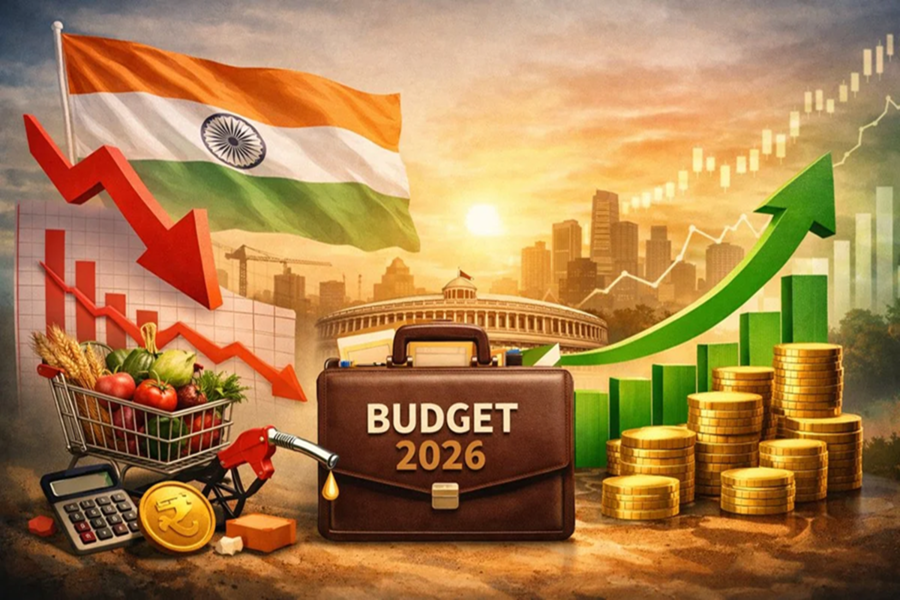
With the Union Budget 2026 set to be presented on February 1st, India's financial services sector – including insurance companies, brokers, NBFCs, and digital lenders – appears to be uniting behind a common agenda. The industry's key demands revolve around structural reforms aimed at making insurance and credit more affordable, increasing access, and strengthening long-term financial security.
From the insurance industry to MSME lenders, the consensus is that achieving financial inclusion will be difficult without addressing existing shortcomings in taxation, regulation, data infrastructure, and credit access.
What about retirement security and tax parity?
The insurance sector's most significant demand concerns the tax treatment of pension and annuity products. According to a Deloitte report on Budget 2026, the entire amount received from insurance annuities is taxed, even though the principal amount has already been taxed during the investment phase.
In contrast, investors in the National Pension System (NPS) receive additional tax benefits. The industry believes this disparity leads investors to favor tax-saving options over retirement products that provide regular income.
Insurance companies are demanding that only the return portion of annuities be taxed and that insurance-based pension products receive the same tax benefits as the NPS.
Climate Risk and Parametric Insurance
Amidst increasing losses from floods, heatwaves, and extreme weather events, climate risk insurance has also emerged as a major expectation from the budget. Traditional insurance models are under pressure, while the reach of disaster insurance remains limited. Deloitte has highlighted parametric insurance as a viable solution, offering faster payouts based on predefined parameters rather than loss assessment. The industry is seeking government co-financing, public-private risk pools, and improved climate data infrastructure.
AI, Telematics, and Data Infrastructure
Despite the increasing use of telematics in motor insurance, AI-based underwriting, and health data platforms, data fragmentation remains a significant challenge. The industry is demanding a unified insurance data exchange, which can be developed based on existing institutions like the Insurance Information Bureau. This could help reduce fraud, enable personalized pricing, and increase consumer trust.
Clarity on Composite Licensing
The insurance industry has long been demanding composite licensing, which would allow a single company to offer both life and non-life products. Despite the announcement of 100% FDI in the last budget, this reform has not yet been implemented.
According to Naveen Chandra Jha, MD and CEO of SBI General Insurance, “Composite licensing will reduce costs and allow customers to access solutions tailored to their life events.” The industry hopes that Budget 2026 will provide a clear roadmap in this direction.
Micro-Insurance and Protection Gap
To promote low-premium micro-insurance products, insurance companies are seeking exemptions from charges such as stamp duty and simplification of distribution regulations. According to IRDAI data, India's total insurance penetration is only around 3.7% of GDP, significantly lower than the global average.
According to Tarun Chugh, MD and CEO of Bajaj Life Insurance, “The challenge in insurance is not just demand, but affordability, trust, and accessibility. Budget 2026 can make insurance the foundation of household security.”
Demands of NBFCs and MSME Lenders
NBFCs and alternative lenders are demanding better refinancing arrangements for rural and semi-urban MSMEs, and tax and regulatory treatment similar to banks. The industry states that the MSME credit gap is more than ₹20 lakh crore, while this sector makes a significant contribution to GDP and exports.
Digital Lending and Green Finance
Digital lenders want clear regulations for transparent pricing, better disclosures, and data-driven underwriting. There is also a demand for incentivizing investments in areas such as green energy, renewables, and clean cooking.
According to a strategic report by ICICI Securities, the growth rate in FY26 is expected to be stable but uneven. The Budget 2026 is expected to see the government maintain its focus on infrastructure, digital public infrastructure, and MSME support.
However, instead of a large fiscal expansion, the emphasis is likely to be on improving the quality of spending, attracting private investment, and gradually reducing the fiscal deficit.
Overall, the industry is keenly watching Budget 2026, hoping for a budget that can transform insurance and loans from mere financial products into the foundation of financial security for every Indian family.
