
Blow to millions of women due to a new government decision! LPG benefits reduced.
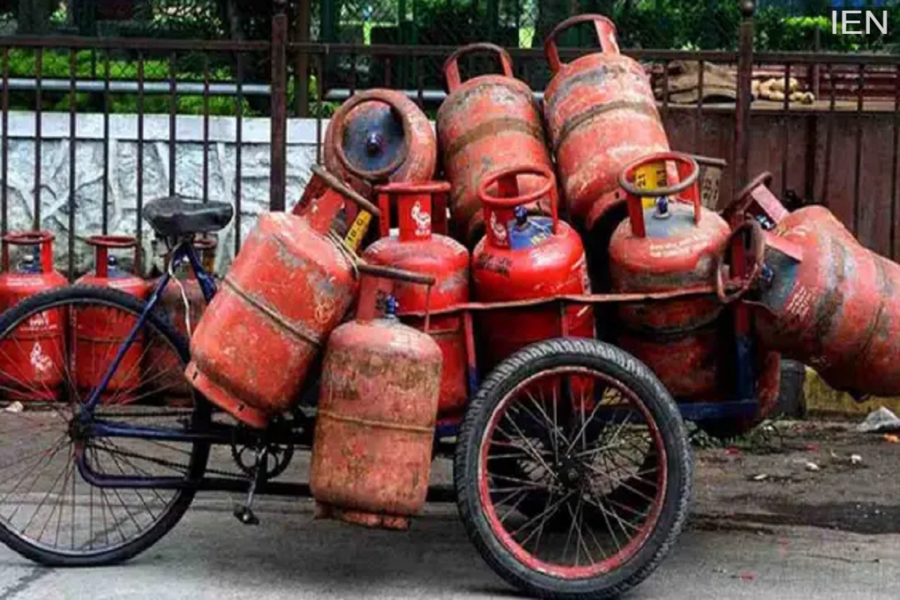
PM Ujjwala Yojana: A major setback for Ujjwala Yojana beneficiaries! Now, the additional discount of ₹300 will be available on only 4 gas cylinders per year. The government took this decision due to a 46% rise in LPG prices in the international market.
PM Ujjwala Yojana: Significant news has emerged from the Central Government for beneficiaries of the Pradhan Mantri Ujjwala Yojana (PMUY). The government has tightened the rules regarding the additional ₹300 subsidy provided under this scheme. Beneficiaries will now receive the additional ₹300 discount on only the first 4 gas cylinders purchased during the year.
Previously, this benefit was available on 9 cylinders per year. As always, the subsidy amount will be transferred directly to the beneficiaries' bank accounts (via DBT). On Monday, Praveen Khanooja, Additional Secretary in the Ministry of Petroleum, stated in a press briefing that international LPG prices have surged by 46% due to the ongoing conflict between the US and Iran and tensions in West Asia, compelling the government to take this tough decision.
What is the current price of a cylinder in Delhi?
On Sunday (June 7, 2026), the price of a domestic LPG cylinder was raised by ₹29. Following this hike, the price of a 14.2 kg domestic cylinder in Delhi has reached ₹942. Consequently, after the ₹300 additional discount, Ujjwala Yojana beneficiaries can purchase the cylinder for ₹642 (though it must be noted that this discount is now limited to 4 cylinders per year).
According to the Ministry, the actual cost of a domestic LPG cylinder has risen to over ₹1,600 due to the spike in crude oil and gas prices in the international market. The government and oil companies are not passing the entire burden of this cost increase on to the general public. Indirect Subsidy: The government is itself absorbing a loss (under-recovery) of ₹700 per cylinder, a cost that applies equally to both Ujjwala and non-Ujjwala customers.
Record Losses: By the end of the last financial year, the total under-recovery (loss) on domestic LPG had risen to ₹60,000 crore, up from ₹41,338 crore the previous year. To offset this loss, the Union Cabinet has approved compensation of ₹30,000 crore for oil companies.
Why has gas become expensive?
India imports 60% of its LPG requirements. Gas prices in India are determined by the 'Saudi Contract Price' (Saudi CP), which is set monthly by Saudi Aramco. When the maritime route through the Strait of Hormuz was disrupted in late February due to tensions in West Asia, the gas supply chain stalled.
The LPG benchmark price, which stood at $543 per tonne in February, rose to $790 per tonne by June 2026. This represents a 46% increase in LPG prices in the international market, driving up the cost of propane by 39% and butane by 52%.
Daily losses of ₹600–700 crore on petrol and diesel too
The Ministry of Petroleum has clarified that, beyond just gas, the global crisis has caused oil companies to incur heavy losses—specifically ₹30 per litre on diesel and ₹6 per litre on petrol. Consequently, state-owned oil companies are suffering a massive daily loss of approximately ₹600 to ₹700 crore.
