
Banks cannot refuse to exchange torn or mutilated notes; if they do, lodge a complaint here..
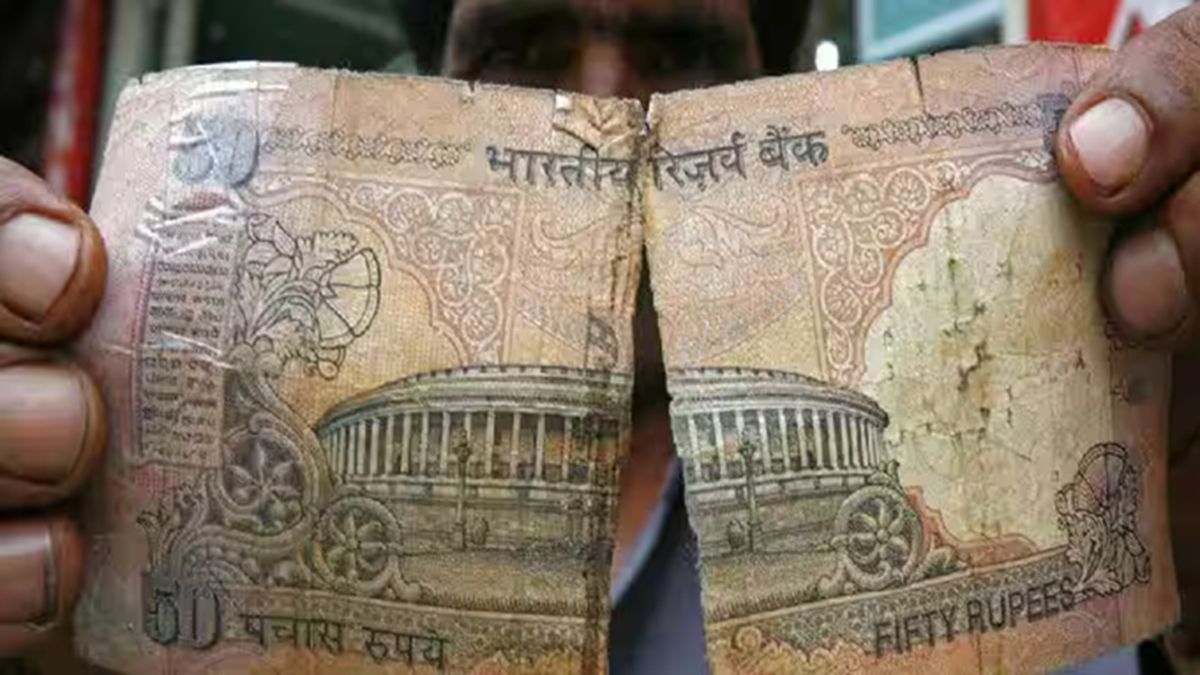
RBI Bank Note Refund Rules 2018: In our daily transactions, we often come across soiled, torn, or mutilated currency notes. Many shopkeepers or traders flatly refuse to accept such notes, causing significant inconvenience to the public; however, there is absolutely no need to panic or incur a financial loss over them.
The Reserve Bank of India (RBI) has clear guidelines regarding this, allowing you to visit any bank branch in the country to exchange your soiled or mutilated notes for new ones. Under the RBI's Note Refund Rules (2009 and the 2018 amendment), ordinary citizens have the right to exchange soiled, defective, or mutilated currency notes.
**Get Full Value for Every Note**
This exchange facility is not limited to the bank where you hold an account; you can visit the counter of any nearby commercial bank branch and exchange your old or mutilated notes without paying any additional charges.
**Which Notes Can Be Exchanged?**
According to RBI rules, notes that are soiled or slightly torn due to heavy usage, notes that have split into two or more pieces, or notes with missing parts can be exchanged. Additionally, notes with printing errors or technical defects are also eligible for exchange.
**What to Do If a Bank Refuses to Exchange Notes?**
It is often observed that some bank branches refuse to exchange customers' soiled or mutilated notes. If a bank official refuses to assist you in this regard, you can file a complaint using the methods outlined below and ensure strict action is taken against that official.
**File a Written Complaint with the Bank:** First, contact the branch manager of the concerned bank and record your issue in the bank's complaint register.
**Wait for One Month:** The bank's internal grievance redressal system has a period of 30 days to act upon your complaint. Complaint to the RBI Ombudsman: If the bank fails to resolve the issue within one month of you filing a complaint, or if you are dissatisfied with the bank's response, you can directly lodge a complaint with the RBI's Banking Ombudsman.
How to file a complaint with the RBI Banking Ombudsman:
Filing a complaint with the RBI Ombudsman is extremely easy and completely free of charge. Complaints can be lodged online or via telephone. You can submit your complaint online by visiting the RBI's CMS portal at cms.rbi.org.in. Additionally, you can seek guidance on the complaint process by calling the RBI helpline at 14448.
Remember, currency notes are national assets, and the law grants you the right to exchange them through legitimate channels. The next time you come across a soiled or torn note, do not throw it away or exchange it with unauthorized agents at a fraction of its value; instead, visit your nearest bank branch to get it exchanged properly.
Disclaimer: This content has been sourced and edited from NDTV India. While we have made modifications for clarity and presentation, the original content belongs to its respective authors and website. We do not claim ownership of the content.
