
Bank News: Using a deceased relative’s ATM or UPI to withdraw money is illegal and may lead to jail under banking laws.
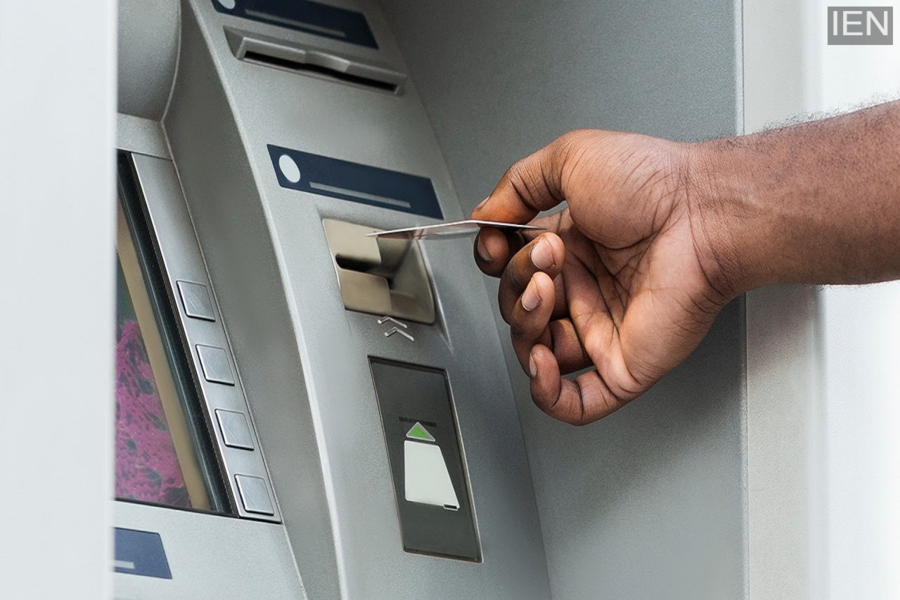
Bank Account: If you are considering withdrawing money from a deceased person's bank account, this news is for you. It is absolutely essential to follow proper legal procedures before withdrawing funds from a bank account.
Bank Alert: Many people attempt to withdraw money after a family member's passing by using their ATM card or UPI. However, legally speaking, doing so can result in imprisonment as well as heavy fines. Upon a person's death, full and exclusive rights to their bank account belong solely to the designated nominee. So, let's understand the correct legal procedure for withdrawing money from a bank account.
Why Is Withdrawing Money Without Informing the Bank Wrong?
Essentially, withdrawing money from a deceased person's account without informing the bank is considered an act of fraud. If you do this, the bank may initiate strict legal action against you. Furthermore, according to banking regulations, a nominee cannot withdraw funds until they have officially notified the bank of the death and established their rightful claim.
What Is the Correct and Easiest Way to Withdraw Money?
If you wish to withdraw money from a deceased person's bank account, always keep the following points in mind. First, visit the specific bank branch where the deceased held their account and formally inform the bank of the death. Next, obtain a claim form from the bank and fill it out accurately. Most importantly, it is mandatory to attach the deceased person's death certificate along with the form. Additionally, the nominee must submit their own proof of identity along with other necessary documents to the bank.
Once the bank officials have thoroughly scrutinized and verified all the documents, the funds deposited in the account will be transferred to the nominee's account. Therefore, to avoid any legal complications, one should always strictly adhere to the established rules and regulations.
