
Bank Locker Rules: Will the bank pay the full amount if jewelry is stolen from the locker? know here..
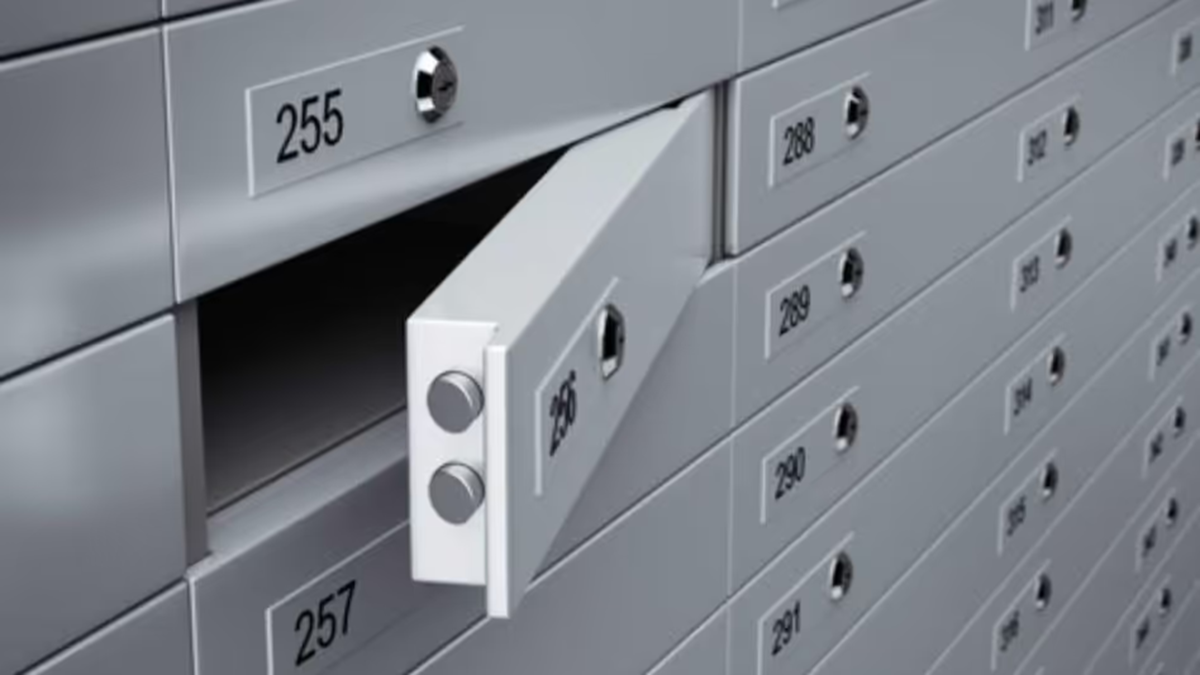
Bank Locker Theft Compensation: Most people consider it safer to store gold and silver jewelry, valuable property documents, and other important papers in a bank locker rather than at home. However, a common misconception among the public is that if items stored in a bank locker are stolen or damaged, the bank will compensate for their full value.
The reality is that the Reserve Bank of India (RBI) has established strict regulations regarding locker security and the compensation payable in the event of theft. Let us understand in simple terms how much compensation you would receive if jewelry kept in a locker is stolen, the extent of the bank's liability, and how to protect yourself against such losses.
How much compensation will the bank pay in case of theft?
If locker contents go missing or are damaged due to bank staff negligence, a bank robbery, theft, fire, or fraud, the bank is legally obligated to provide compensation. However, according to RBI rules, there is a fixed maximum limit on the bank's liability.
You will receive only 100 times the rent: In the event of a loss caused by the bank's negligence, the maximum compensation you can receive is 100 times the annual locker rent.
Understand this with an example: If your locker's annual rent is ₹4,000, the maximum compensation from the bank would be ₹4 lakh, even if the jewelry inside the locker was worth ₹10 lakh or ₹50 lakh.
2. Why doesn't the bank pay full compensation?
There are two main reasons for this. First, the lack of information regarding the contents, and second, the fact that locker rent is not an insurance premium. The bank never knows what you have stored in your locker or its actual value; it does not maintain an inventory of customers' belongings.
Furthermore, the annual locker rent is a charge for the bank's security facilities, not an installment for an insurance policy. Therefore, paying the rent does not imply that the bank is insuring the entirety of your stored items.
What is the bank's liability in the event of a natural disaster? The bank will not be held liable if items kept in the locker suffer damage due to natural disasters—such as earthquakes, floods, storms, or lightning strikes—or the customer's own negligence. However, the bank is expected to maintain robust security arrangements for the locker room against threats like fire, robbery, and other hazards.
Take these 3 essential steps to safeguard against loss:
A. Preserve bills and photographs of jewelry: Keep bills, receipts, valuation reports, and photographs of every valuable item (such as gold and diamond jewelry) stored in the locker. In the event of an untoward incident, this evidence will be crucial in establishing your ownership and the value of the items.
B. Purchase separate 'Locker Insurance': If you store significant amounts of cash or jewelry in your locker, do not rely solely on the bank. Obtain a standalone locker or jewelry insurance policy from an insurance company. When purchasing the policy, carefully check whether it covers items kept in a bank locker.
C. Take immediate action in case of theft: If you discover that items are missing from the locker, immediately inform the bank management and file an FIR with the police. Keep the locker agreement, rent receipts, and jewelry bills safe.
If the loss is due to the bank's negligence and the bank refuses to provide compensation, you can file a complaint under the RBI's Integrated Ombudsman Scheme.
Disclaimer: This content has been sourced and edited from Money Control. While we have made modifications for clarity and presentation, the original content belongs to its respective authors and website. We do not claim ownership of the content.
