
Bank Locker Rules: What Happens If You Don’t Pay Locker Fees for Years? Know Your Rights and Risks
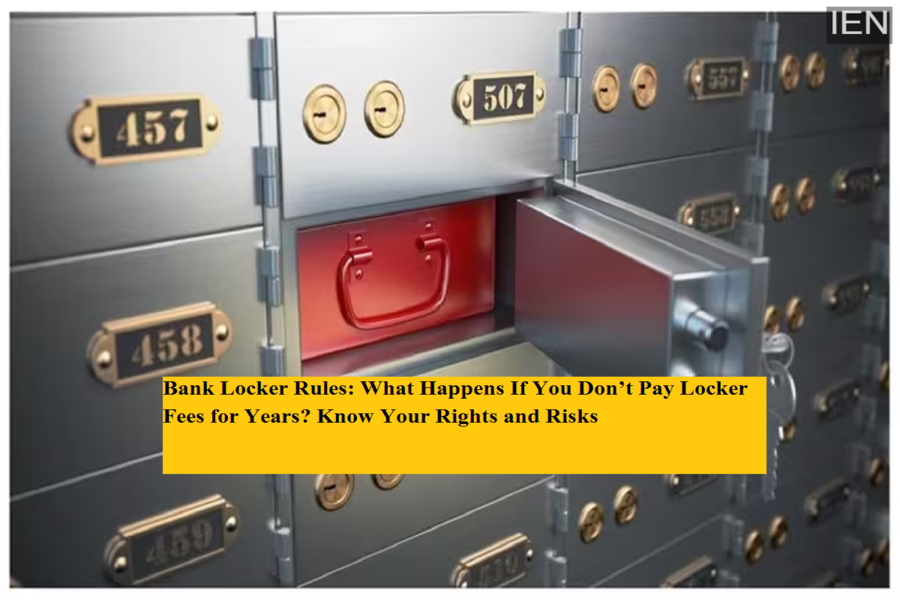
Bank lockers are often used to store valuables like jewelry, important documents, and family heirlooms. However, since most customers rarely access their lockers, it’s not uncommon to forget paying the annual locker rent. But what happens if you skip these payments for months—or even years? Can the bank take action against you? Here’s a detailed and easy-to-understand guide explaining the consequences and what you should do to avoid trouble.
Missing One Payment? No Immediate Panic
If you miss a single locker rent payment, there is usually no serious consequence right away. Banks understand that customers may occasionally overlook such payments, especially if the locker is not used frequently.
In most cases, the bank will send reminders via SMS, email, or registered communication to notify you about the pending dues. So, a one-time delay is generally manageable and does not lead to immediate restrictions.
Long-Term Non-Payment Can Lead to Restrictions
The situation changes if the locker rent remains unpaid for an extended period. If dues continue to pile up, banks may start limiting your access to the locker. This means you won’t be able to operate or open your locker until all pending charges—including penalties—are cleared.
Before taking such steps, banks usually provide customers with multiple opportunities to settle the dues. This includes reminders, grace periods, and sometimes even direct contact attempts.
Late Fees and Penalties Keep Increasing
If the rent is not paid on time, banks begin charging late fees. Over time, both the unpaid rent and penalties accumulate, making the total outstanding amount significantly higher.
It’s important to note that banks do not cancel locker services immediately. Instead, they follow a gradual process where penalties are added, access is restricted, and repeated reminders are sent to the customer.
Why Customers Miss Locker Payments
According to experts, most customers don’t intentionally avoid paying locker rent. The issue often arises due to:
- Linking the locker rent to an inactive bank account
- Change in mobile number, address, or email ID
- Infrequent use of the locker leading to forgetfulness
Many people only realize the pending dues when they visit the bank to access their locker after a long time.
Bank Can Block Access to the Locker
If dues remain unpaid for a long duration, banks have the authority to temporarily block locker operations. This means you cannot access your valuables until all outstanding rent and penalties are cleared.
This restriction is implemented to ensure compliance and recover pending payments.
Extreme Case: Bank Can Break Open the Locker
In rare cases where the customer fails to pay locker rent for a prolonged period—typically more than three years—the bank can take stricter action.
As per established procedures, the bank has the legal right to break open the locker. However, this is not done arbitrarily. The process involves:
- Prior notices and multiple reminders to the customer
- Presence of bank officials and authorized witnesses
- Proper documentation of the entire process
This step is considered a last resort after all attempts to recover dues have failed.
What Happens to Your Valuables?
Once the locker is opened, all items inside—including jewelry and documents—are carefully cataloged and sealed. These belongings are then kept सुरक्षित in the bank’s custody.
The customer can later claim these items, but retrieving them involves a formal process, verification, and settlement of all dues. It is not an immediate or simple procedure.
Important Tips to Avoid Locker Issues
If you have a bank locker, here are some practical steps to ensure you don’t face such problems:
- Always pay your locker rent on time
- Link locker rent to an active savings account for auto-debit
- Maintain sufficient balance in your account
- Update your contact details (mobile number, email, address) with the bank
- Set reminders for annual payments
These simple measures can help you avoid penalties, restrictions, and unnecessary stress.
Final Takeaway
While missing a locker payment once may not cause major issues, ignoring dues for a long time can lead to serious consequences—including restricted access and even forced opening of the locker. Banks follow a structured and fair process, but the responsibility ultimately lies with the customer to stay updated and compliant.
Keeping track of your locker payments and maintaining communication with your bank can ensure your valuables remain safe and accessible at all times.
