
Bank Locker Rules: Important things to know if you keep valuables in a bank locker—otherwise, you could face losses.
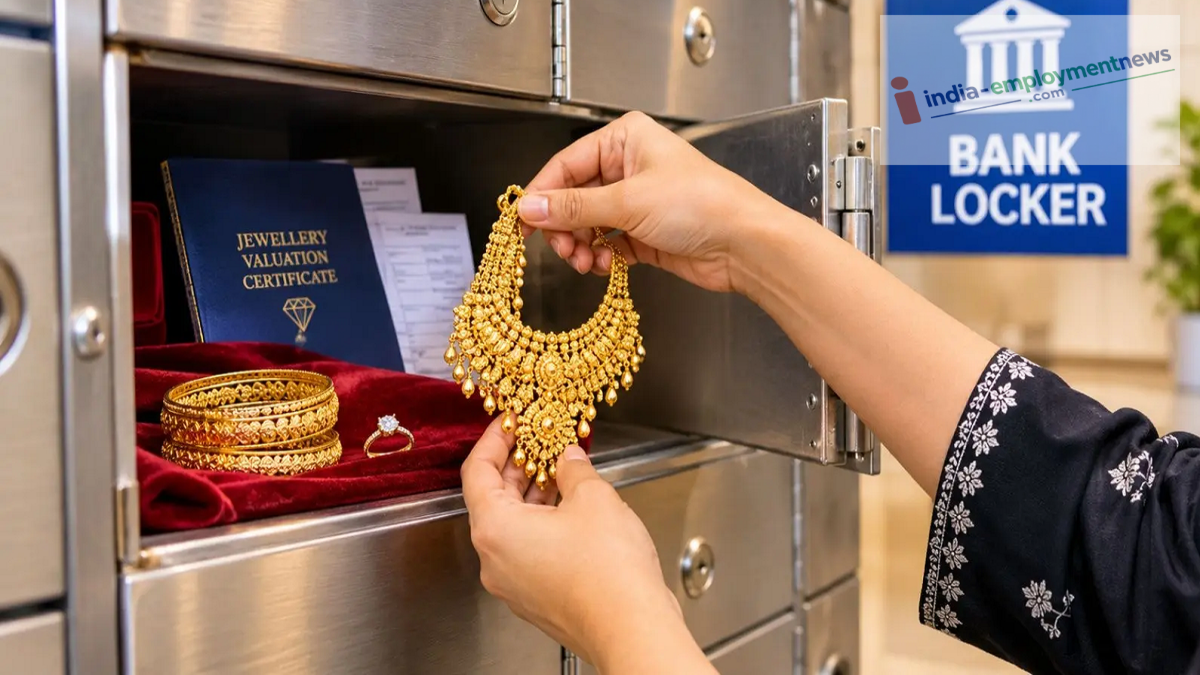
Bank Locker Rules: Even valuables kept in a bank locker are not entirely secure. Learn about these essential rules regarding lockers, which could help you avoid significant financial loss.
Bank Locker Rules: Keeping gold, silver, and expensive jewelry at home carries the risk of theft, which is why most people prefer to store them in a bank locker. However, if you believe that your responsibility ends once you place your items in a bank locker, you might be mistaken. In the event of items going missing, a locker being improperly closed by the bank, or any other dispute, you could end up suffering a financial loss.
In reality, banks do not maintain a record of the specific items you keep in your locker. Therefore, it is your responsibility to follow certain essential guidelines to ensure the safety of your valuables.
How can you keep a record of the items stored in your locker?
Suppose a gold necklace goes missing from your locker. How would you prove that the necklace was actually in the locker, and what its value was? To avoid such complications, create an inventory of every valuable item kept in your locker. Maintain clear photographs of your jewelry and other belongings, and keep the original purchase receipts. If the jewelry is old or inherited, you may want to obtain a valuation certificate. Remember to update this list whenever you add new items or remove existing ones. Keep all these documents in a secure place outside of the locker.
How often should you check your locker?
Simply renting a locker and then forgetting about it for years can be a major mistake. Try to visit the bank at least twice a year to check on your locker. Additionally, keep an eye on any SMS or email alerts sent by the bank. If you receive a notification regarding locker activity that you are not aware of, contact the bank immediately. If you notice any irregularities, do not just lodge a complaint over the phone. Submit a written complaint to the bank and ensure you obtain a receipt for it.
What mistakes should you avoid when closing a locker?
If you wish to close your locker, do not simply return the key and leave in a hurry.
Instead, follow these steps:
Empty the locker in the presence of a bank official.
Pay any outstanding rent.
Return the locker key to the bank.
Obtain a written receipt from the bank.
The receipt should confirm that the locker has been emptied and closed. It must be signed by both the bank representative and the customer. Also, ensure that no further locker rent will be charged.
How much compensation does a bank provide, and why is insurance necessary?
Many people believe that if items kept in a locker are stolen, the bank will reimburse their full value. However, this is not necessarily the case. According to RBI guidelines, in the event of incidents such as theft, fire, burglary, or fraud by bank employees, the bank's maximum liability is limited to 100 times the annual locker rent.
For example, if the annual locker rent is ₹3,000, the maximum liability under this limit would be ₹3 lakh. This means that if the items stored in the locker are worth significantly more, you are not guaranteed full compensation for your loss.
Therefore, if you store highly valuable jewelry, consider obtaining insurance. When purchasing a policy, carefully read the terms regarding theft, fire, and unforeseen losses. Also, understand the circumstances under which the insurance company may deny a claim. You might be required to provide a valuation certificate for high-value items.
Important information for joint locker holders
If a locker is held in the names of two individuals, clarify beforehand whether one person can access it independently or if both must be present. In the event of the death of one of the account holders, the process for accessing the locker depends on the rules regarding nomination and the operating instructions for the account.
