
Bank Employees Push Again for 5-Day Work Week; Demand Gains Momentum Across India
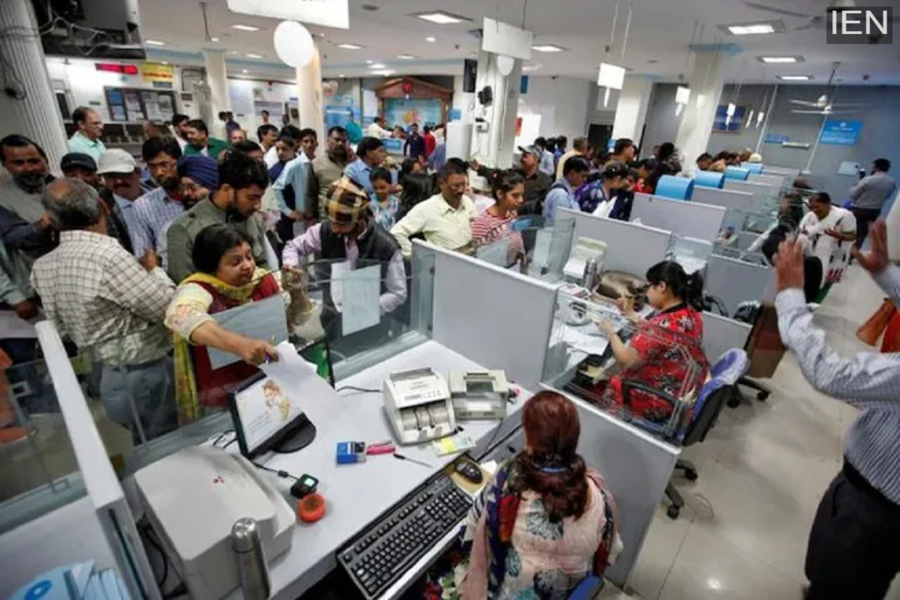
Bank employees across India have once again intensified their demand for a complete five-day working system in banks. The issue has returned to the spotlight after the All India Bank Officers' Confederation (AIBOC) wrote to Narendra Modi, urging the government to implement a five-day banking schedule at the earliest.
According to the banking union, the demand is no longer just about employee convenience. It is now being projected as a larger national issue linked to fuel savings, reduced traffic congestion, lower electricity consumption, and improved work-life balance for banking staff.
Why Are Bank Employees Demanding 5-Day Working?
In its letter dated May 13, 2026, AIBOC stated that the banking sector cannot fully shift to a work-from-home model because physical presence remains necessary for:
- Cash management
- Customer services
- Financial operations
- Branch-level transactions
Because of this, the union believes reducing physical working days is the most practical solution.
The organization claims that if banks operate only five days a week, it could significantly reduce:
- Daily commuting pressure
- Fuel consumption
- Traffic load in cities
- Operational electricity expenses
Digital Banking Is Strengthening the Demand
Bank unions have also highlighted that banking services in India have rapidly become digital.
Today, customers already rely heavily on:
- UPI payments
- Internet banking
- ATMs
- Cash deposit machines
- Mobile banking apps
Because of these digital services, unions argue that customers may not face major inconvenience even if branches remain closed for two fixed days every week.
RBI and Other Financial Institutions Already Follow 5-Day Working
AIBOC has pointed out that several major financial institutions already operate under a five-day work structure, including:
- Reserve Bank of India
- Life Insurance Corporation of India
- Indian stock exchanges
Despite this, commercial banking employees still follow a six-day physical attendance system in many cases.
Has the Proposal Already Been Discussed?
Yes. According to banking unions, the five-day work week proposal has already been discussed multiple times during wage settlement talks between employee unions and the Indian Banks' Association (IBA).
Union representatives claim the proposal was broadly accepted during discussions, but final approval from the government is still pending.
Current Bank Holiday System in India
At present, most public sector and many private banks remain closed on:
- Second Saturday
- Fourth Saturday
- All Sundays
Banks continue operating on:
- First Saturday
- Third Saturday
- Fifth Saturday (if applicable)
If the new system is implemented, banks may remain closed every Saturday and Sunday.
Has the Government Approved It?
As of now, there has been no official announcement from either:
- The Ministry of Finance
- Reserve Bank of India
However, the latest letter from AIBOC indicates that banking unions are continuing to increase pressure on authorities to finalize the proposal soon.
What Could Change If 5-Day Banking Is Approved?
If implemented, the banking sector could witness several major workplace changes:
| Current System | Proposed 5-Day System |
|---|---|
| Alternate Saturdays working | All Saturdays off |
| More commuting days | Reduced travel |
| Higher branch operating costs | Potential energy savings |
| Limited work-life balance | Longer weekend breaks |
At the same time, some experts believe banks may need:
- Extended weekday banking hours
- Stronger digital support systems
- Better customer service planning
to ensure smooth operations after reducing physical working days.
Final Outlook
The demand for a five-day banking work week has been pending for several years, but the rise of digital banking and flexible workplace models has strengthened the argument in favor of the change.
While employees are hopeful that the new system could soon become reality, the final decision will depend on approvals from the central government and banking regulators.
