
Balcony Solar Panels: Learn how to install them at home and discover how much you can cut your electricity bill.
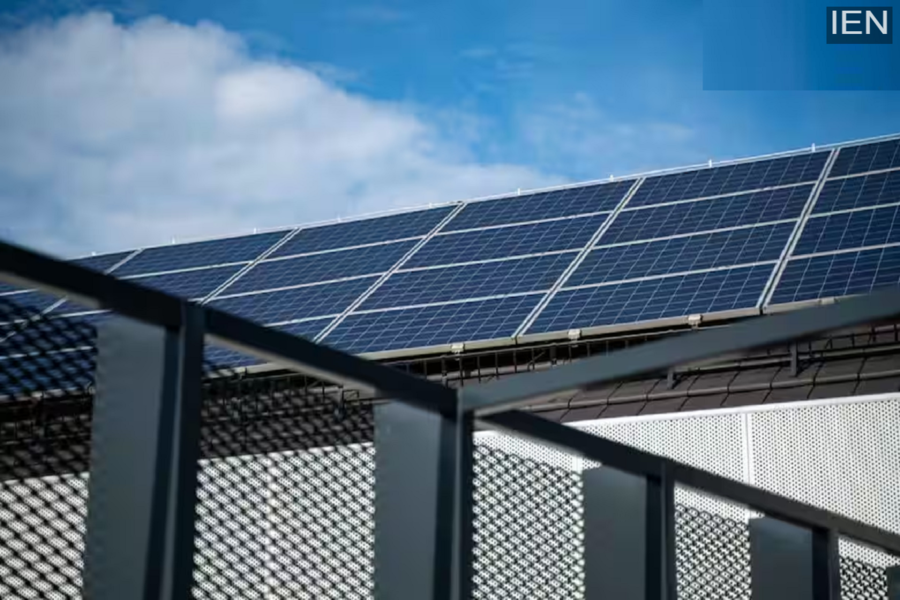
Balcony Solar Panels Installation Guide: In many countries around the world, people are reaping the benefits of solar panels even without having a large rooftop. To achieve this, "balcony solar systems" (or plug-in solar systems) are rapidly gaining popularity.
Balcony Solar Panels Installation Guide: In today's times, electricity costs are impacting the budget of almost every household. During the summer months—due to the use of ACs, coolers, refrigerators, and other electronic appliances—electricity bills often soar into the thousands. Consequently, people are actively seeking options that allow them to conserve electricity and reduce long-term expenses. Until recently, most people believed that a large rooftop was a prerequisite for installing solar panels; however, technology is now evolving.
In many countries across the globe, people are successfully harnessing the benefits of solar energy even without access to a large rooftop. To facilitate this, balcony solar systems—also known as plug-in solar systems—are gaining popularity. These systems consist of compact solar panels that can be installed on a home's balcony, terrace, veranda, or any open outdoor area. A key advantage is that their installation does not require heavy construction work or complex electrical wiring. Let's explore how to install solar panels on your balcony and discover the potential reduction in your electricity bill.
What is a Balcony Solar System?
A balcony solar system is a compact solar setup designed to generate electricity from sunlight. It is specifically engineered for use in apartments (flats), rental properties, and small-sized homes. Typically, this system comprises small solar panels, a micro-inverter, and a standard electrical plug. The micro-inverter converts the electricity generated by the panels into a form suitable for household consumption. Subsequently, the system can be plugged directly into a standard electrical socket within the home. Its most significant feature is that, unlike large-scale rooftop solar systems, it does not require extensive or heavy-duty installation procedures.
Who Benefits the Most from This System?
1. Residents of Rental Properties: Individuals living in rented flats or houses often face restrictions and may not receive permission from their landlords to install solar panels on the rooftop. Balcony solar systems can be an easy option for them.
2. Families living in small houses or flats – Many people do not have access to a large rooftop. Such individuals can generate electricity by installing small solar panels on their balconies or near windows.
3. People burdened by high electricity bills – If your monthly electricity bill is constantly rising, this system can help reduce the cost of powering several essential appliances.
How can solar panels be installed on a balcony?
1. Choosing the right location is crucial – Solar panels should be installed in a spot that receives ample sunlight throughout the day. If the balcony faces south and is not obstructed by tall buildings, electricity generation will be maximized.
2. Secure the panels firmly – The panels must be securely mounted on a stand or railing to prevent damage from wind or rain.
3. Plug-and-play connection – The system is connected to the home's power socket using a micro-inverter. This allows the electricity generated by the panels to be utilized directly within the home.
4. Battery storage option – If you wish to use solar-generated electricity at night as well, a battery storage unit can be added to the system. This allows any surplus electricity generated during the day to be stored for later use.
How much will this reduce your electricity bill?
While a balcony solar system may not be able to meet the entire household's electricity needs, it can comfortably power several essential appliances. You can use it to run LED lights, fans, laptops, mobile chargers, televisions, Wi-Fi routers, and small refrigerators. If the system receives adequate sunlight on a daily basis, it can result in significant savings on your monthly electricity bill. For instance, a small system ranging from 800 to 1200 watts can generate enough electricity each month to save you thousands of rupees on your bill. The actual amount of savings depends on the prevailing electricity tariffs in your city and the amount of sunlight received.
Why is it becoming so popular abroad?
Balcony solar systems are being adopted at a rapid pace across several European countries. This model is considered particularly successful in Germany, where people can simply purchase solar kits directly from retail stores and install them in their homes themselves. People are now able to generate solar electricity even in limited spaces. Consequently, the number of households utilizing solar power has risen rapidly. Demand for this technology is also likely to increase in India, given the abundance of sunlight available here. Such systems could prove highly beneficial in regions like Delhi, Rajasthan, Gujarat, Maharashtra, and South India. Although the regulations and safety standards for these systems in India are not yet entirely clear, the market for small plug-in solar systems is poised for rapid growth in the near future.
