
ATM Card Safety: Check this before inserting your card into an ATM, or your account could be emptied
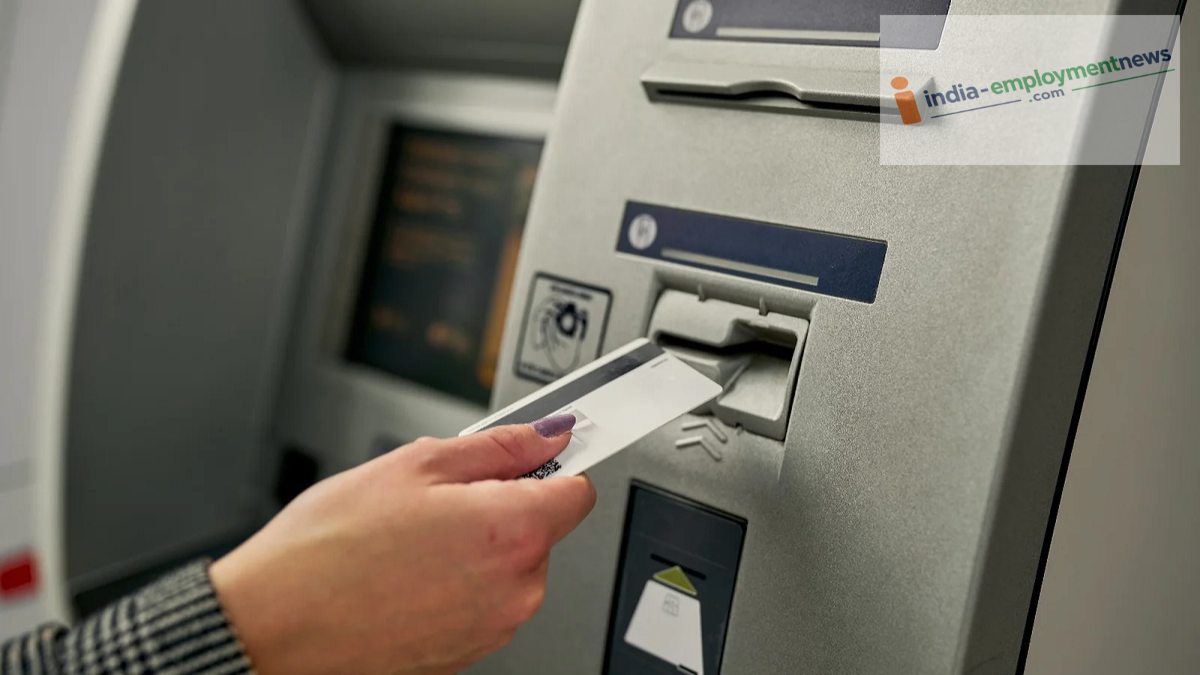
ATM Card Safety: Whenever we visit an ATM to withdraw cash, we often insert our card into the machine without checking anything. However, this haste could lead to your bank account being emptied in a matter of minutes.
ATM Card Safety: While the use of UPI and online payments has become widespread, we still find ourselves heading to an ATM whenever we need cash—especially during festivals or the wedding season, when the number of people using ATMs surges. Cybercriminals and hackers often lie in wait, ready to exploit this rush. We frequently walk up to an ATM, insert our debit card, enter our PIN, and withdraw cash—all without a second thought. Yet, this minor oversight can result in your entire bank account being drained in just a few minutes. Nowadays, fraudsters are employing sophisticated, high-tech tampering methods on ATMs that are not easily detectable by the average person. Therefore, the next time you go to withdraw cash, be sure to check a few critical things before inserting your card.
Check for a 'skimmer' by wiggling the card slot
One of the most common and dangerous forms of ATM fraud is card cloning. Fraudsters attach a small device—known as a 'skimmer'—to the card slot where you insert your card. Designed to look exactly like a genuine part of the ATM, it is nearly impossible to spot at first glance. As soon as you insert your card, the skimmer steals all the data stored on your card's magnetic strip.
Hackers then use this data to create a duplicate copy of your card. The simplest way to guard against this threat is to gently wiggle the plastic card slot with your hand before inserting your card. If the light is off, the card slot feels loose, or your card gets stuck while being inserted, be aware that the machine may have been tampered with.
Look out for hidden cameras and tampered PIN pads.
Stealing card data alone is not enough for fraudsters; they also need your four-digit ATM PIN. Criminals use two main methods to obtain your PIN. In the first method, they conceal a tiny "pinhole" camera—often near or directly above the keypad—which is small enough to fit behind a screw hole or a brochure holder, allowing it to record your PIN as you enter it.
The second method involves a "fake" keypad—a thin, deceptive overlay placed over the actual buttons that records the numbers you press. Before entering your PIN, touch the keypad to check if it feels raised or "spongy." Additionally, use your other hand to completely cover the keypad while entering your PIN, ensuring that any hidden camera cannot capture your finger movements.
Cash Trapping
Sometimes, instead of stealing your card or PIN, fraudsters target the cash itself—a technique known as "cash trapping." Criminals attach a black strip or an adhesive trap to the cash dispenser slot. When you initiate a transaction, the machine counts the money and debits your account, but the banknotes get caught on the trap and fail to emerge. The customer, assuming the machine is faulty, typically walks away.
The fraudsters then step in, remove the trap, take the cash, and flee. Therefore, always inspect the cash dispenser slot before withdrawing money. The best way to avoid all these hassles is to simply stop carrying your card to the ATM. Nowadays, ATMs of almost all banks offer the option to withdraw cash via UPI by scanning a QR code—without needing to insert a card—which is completely safe.
