
ATF Tax: Delhi and Mumbai Cut Jet Fuel Tax! What Impact Could This Have on Airlines and Ticket Prices?
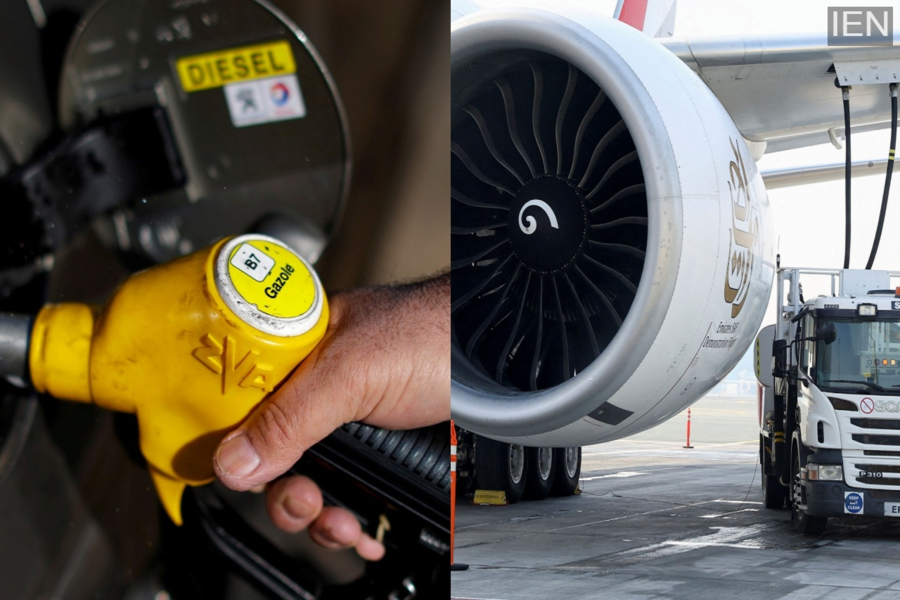
ATF Tax Relief: Delhi and Mumbai have provided significant relief to airlines by reducing the VAT on Aviation Turbine Fuel (ATF). Amidst rising fuel prices and operational expenses, this decision is expected to lower costs for airlines.
ATF Tax Relief: India’s two largest aviation hubs—Delhi and Mumbai—have announced a major reduction in the Value Added Tax (VAT) levied on Aviation Turbine Fuel (ATF). This decision is expected to provide airlines with relief from escalating costs, particularly at a time when global fuel prices, the weakening rupee, and operational expenses are rising rapidly.
How Much Was the Tax Reduced in Delhi and Mumbai?
In terms of taxation, Delhi has slashed the VAT on ATF from 25 percent to 7 percent. This relief measure has been implemented for a period of six months. Meanwhile, Maharashtra has reduced the VAT on ATF for domestic flights in Mumbai from 18 percent to 7 percent. This decision comes at a time when airlines were grappling with soaring fuel prices and had already warned the government about the resulting increase in operational costs.
Fuel Crisis Exacerbates Airlines’ Difficulties
The aviation sector is currently battling a severe fuel crisis. The Federation of Indian Airlines (FIA)—which includes carriers such as Air India, IndiGo, and SpiceJet—had warned the government that, due to rising fuel costs, several flight routes were becoming economically unviable. According to the FIA, fuel costs previously accounted for approximately 30 to 40 percent of an airline’s total expenditure; however, this figure has now surged to between 55 and 60 percent.
Impact of Global Tensions
The ongoing tensions in the Middle East, coupled with supply disruptions around the Strait of Hormuz, have also had a visible impact on jet fuel prices. A significant portion of the global supply of oil and LNG passes through this vital maritime route. While the price of jet fuel stood at approximately $99 per barrel at the end of February 2026, it surged to nearly $263 per barrel by May 2026.
Why Are Delhi and Mumbai So Crucial?
According to figures cited by Chief Minister Rekha Gupta, Delhi’s Indira Gandhi International Airport handled approximately 80 million passengers in 2024–25, while Mumbai Airport handled 55.5 million passengers in 2025, recording over 331,000 aircraft movements. The country’s highest volume of domestic and international flights operates from these two cities. This is precisely why a reduction in fuel taxes in these locations will have a ripple effect across the entire aviation sector.
Rising ATF Consumption
The demand for Aviation Turbine Fuel (ATF) in India is on a continuous upward trajectory. According to government statistics, approximately 764,000 metric tonnes of ATF were consumed in the country in February 2026. Meanwhile, in 2025, domestic airlines transported nearly 167 million passengers. Amidst such massive demand, even a slight relief in fuel prices could translate into significant savings for airlines.
Mounting Financial Pressure on Airlines
Airlines are already grappling with a multitude of financial challenges. Rising lease rentals, aircraft shortages, technical issues with engines, maintenance costs, and the depreciation of the Rupee against the US Dollar have compounded the difficulties faced by these companies. The impact of these factors is now becoming evident in the companies’ operational performance. Air India has suspended certain international flights—such as those to Chicago, Newark, and Shanghai—while the frequency of flights on several other routes has been reduced. Conversely, IndiGo witnessed a decline of approximately 77.6 percent in its net profit during the third quarter of the 2026 fiscal year.
Potential Decline in Fuel Tankering
A reduction in ATF taxes could also influence the fuel procurement strategies adopted by airlines. Until now, many airlines have relied on a “fuel tankering” strategy. In other words, they would refuel more heavily at airports with lower tax rates to avoid the need to refuel again at more expensive airports. However, this increased the aircraft’s weight and adversely affected fuel efficiency. Experts believe that with the reduction in taxes in Delhi and Mumbai, the need for such strategies will diminish.
Will Air Tickets Become Cheaper?
Following the tax cuts, it is unlikely that passengers will immediately see a reduction in ticket prices. In the aviation sector, airfares are not determined solely by operational costs; supply and demand also play a significant role. Currently, passenger demand remains robust, while flight capacity is limited due to a shortage of aircraft and technical issues. Consequently, airlines will likely prioritize alleviating their financial pressures first.
Revenue Loss for State Governments
This decision will also result in a loss of revenue for state governments. The Delhi government estimates that the VAT reduction could cost it approximately ₹985 crore. Meanwhile, Maharashtra is projected to face an annual revenue loss ranging from ₹550 to ₹600 crore. Nevertheless, both governments believe that this measure will help maintain their respective cities as strong aviation hubs.
Growing Calls to Bring ATF Under GST
Amidst this entire scenario, the aviation industry’s long-standing demand to bring Aviation Turbine Fuel (ATF) under the ambit of the Goods and Services Tax (GST) has intensified once again. Currently, varying VAT rates are applicable to ATF across different states, preventing airlines from availing the benefit of input tax credit. The industry contends that if ATF were included under GST, fuel costs could be standardized across the entire country.
