
April 1 New Rules: From ATM Withdrawals to Aadhaar… 5 Major Changes Taking Effect from April 1st—Find Out How They Will Impact You
Rule Changes Effective April 1st: Starting April 1, 2026, several financial rule changes are scheduled to take effect. These changes will have a direct impact on the daily expenses of ordinary people. Let’s explore them one by one…
New Rules From April 1, 2026: From April 1st, changes to various financial regulations are being implemented. These changes will directly affect the finances and daily expenditures of the general public. These modifications are particularly significant for salaried individuals, taxpayers, and investors.
The rules involved cover areas such as PAN cards, HRA, credit cards, income tax, and ITR filing. Let’s take a closer look at each of them…
PAN Cards to Become More Secure
Starting April 1st, obtaining a PAN card will require the submission of documents other than just Aadhaar. Until now, applying for a PAN card using only an Aadhaar card was a very simple process. However, a decision has now been made to modify this procedure. Along with the Aadhaar card, applicants will now be required to submit additional documents such as a birth certificate, Voter ID, passport, driving license, Class 10th certificate, or other government-issued documents.
This move by the government aims to make the PAN card system more secure than ever before. However, the process of obtaining a PAN card may now take slightly longer compared to previous times. Additionally, applications for a PAN card must now be submitted using a new, specific form.
Increased Scrutiny on HRA Claims
The rules regarding House Rent Allowance (HRA) claims have now been made stricter than before. If an employee pays an annual rent exceeding ₹1 lakh, it will be mandatory for them to provide their landlord’s PAN number.
Furthermore, applicants will also be required to disclose whether or not the landlord is a member of their family. Starting April 1st, a separate form will need to be filled out to provide this information. The objective behind these new rules is to curb false or fraudulent claims.
Changes to Credit Card Regulations
If you are a credit card user, you should familiarize yourself with the new regulations coming into effect. Major transactions linked to credit cards will now be monitored. Specifically, if digital spending exceeds ₹10 lakh or cash payments exceed ₹1 lakh within a financial year, this information must be reported to the Income Tax Department.
On the other hand, a new facility has also been introduced for taxpayers, allowing them to pay their taxes using a credit card. However, utilizing this option may incur additional charges; therefore, it is essential to understand the associated terms and conditions before making a payment.
Changes for ITR Filers
Some changes have been made to the deadlines for filing Income Tax Returns (ITR). For cases not requiring an audit—specifically ITR-3 and ITR-4—the filing deadline is August 31. Meanwhile, applicants filing ITR-1 and ITR-2 have until July 31 to submit their returns.
Revised Rules for ATM Withdrawals
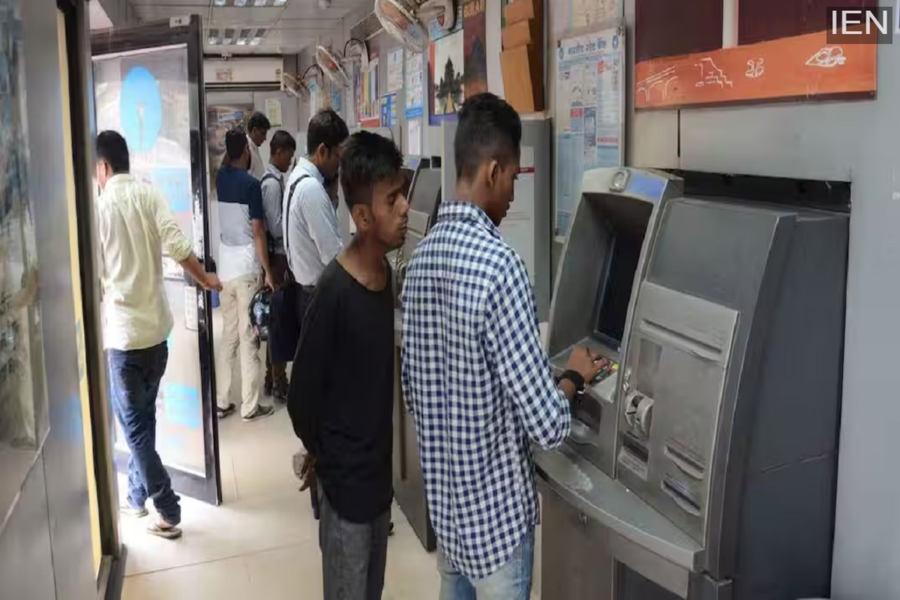
Effective April 1, 2026, changes have been implemented regarding ATM usage and cash withdrawal rules across several major banks. HDFC Bank has set the limit for free transactions at 3 per month in metro cities and 5 per month in non-metro cities. Meanwhile, Punjab National Bank has reduced the daily cash withdrawal limit on certain debit cards from ₹1 lakh to ₹50,000.
Additionally, Bandhan Bank has also revised its ATM regulations, now limiting customers to just 5 free financial transactions per month. Any transactions exceeding this limit will incur additional charges for the customer.
