
An error in your credit report could make your loan costlier; here’s how to get your record corrected..
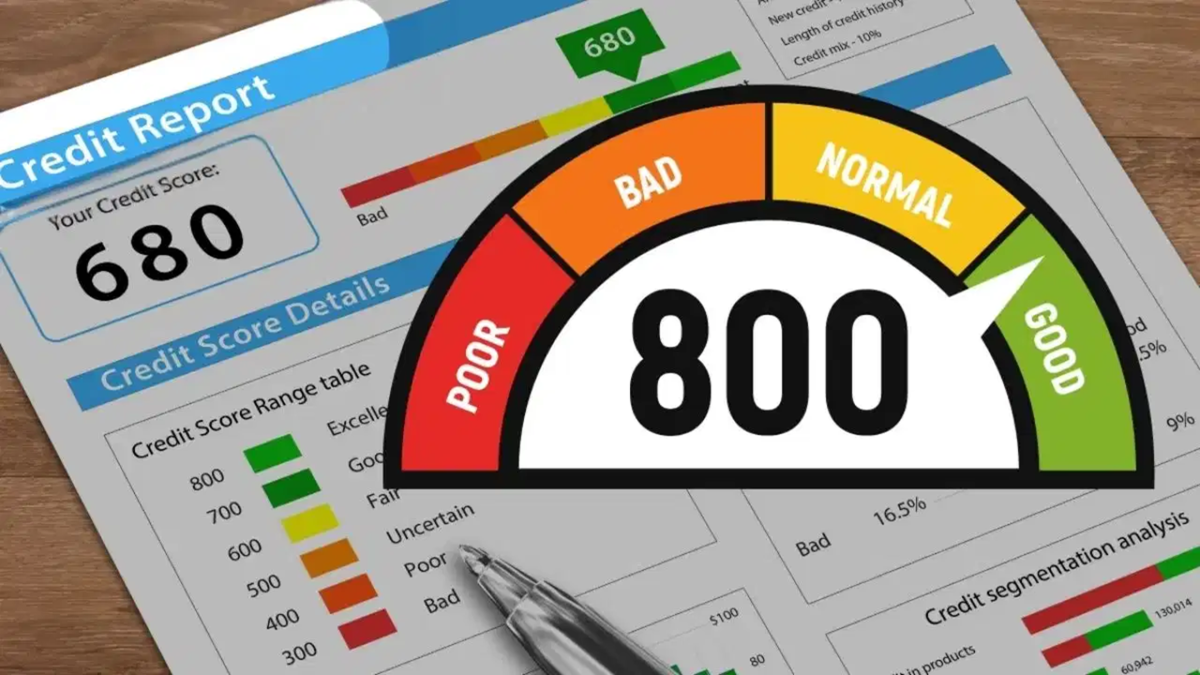
If you are planning to take out a personal loan, home loan, or any other type of loan in the near future, you should pay close attention to your credit report and credit score. Even a minor error in your credit report can cause significant problems; it could make it difficult to secure a loan or lead banks and financial institutions to charge you a higher interest rate.
A credit report reflects an individual's financial status and past debt repayment history. Banks and other lending institutions use this information to assess whether a customer is likely to repay a loan on time. Generally, individuals with a good repayment record—and no history of defaulting on loan installments—find it easier to obtain loans.
However, the situation changes if the report contains incorrect information. Experts state that errors in a credit report can directly impact your credit score, potentially affecting your ability to secure future loans and the interest rates offered.
**Watch out for these errors**
Credit reports can contain various types of errors. Examples include incorrect name or address details, another person's loan appearing in your record, inaccurate payment history, incorrect outstanding balances, or duplicate entries for the same loan. Sometimes, a loan that has already been closed may still appear as 'active' in the report. While these may seem like minor issues, they can significantly impact your credit score.
**A score below 600 can lead to difficulties**
If your credit score drops significantly, banks may subject your financial status to greater scrutiny. Obtaining a loan can become difficult and expensive, particularly if your score is below 600. Conversely, a credit score above 750 is generally considered excellent; customers with such scores may sometimes secure better interest rates and more favorable loan terms. However, the final decision depends on the bank's specific policies as well as the customer's income and other financial details.
**What to do if you find an error in the report?**
First and foremost, make it a habit to check your credit report regularly. If you spot any incorrect information, gather supporting documents such as bank statements, payment receipts, proof of loan closure, or other relevant records. Subsequently, file a complaint with the concerned credit reporting agency and the bank or financial institution that reported the erroneous data. After filing the complaint, keep tracking its status to ensure the incorrect information is either rectified or removed.
Therefore, simply checking your credit score before taking a loan is not enough; it is also essential to carefully review your entire credit report. Checking the report periodically helps in identifying errors early and can save you from costly loans in the future.
Disclaimer: This content has been sourced and edited from TV9. While we have made modifications for clarity and presentation, the original content belongs to its respective authors and website. We do not claim ownership of the content.
