
AITWA Introduces FAF in Freight Rates: Transport Costs Set to Increase Amid Rising Diesel Prices
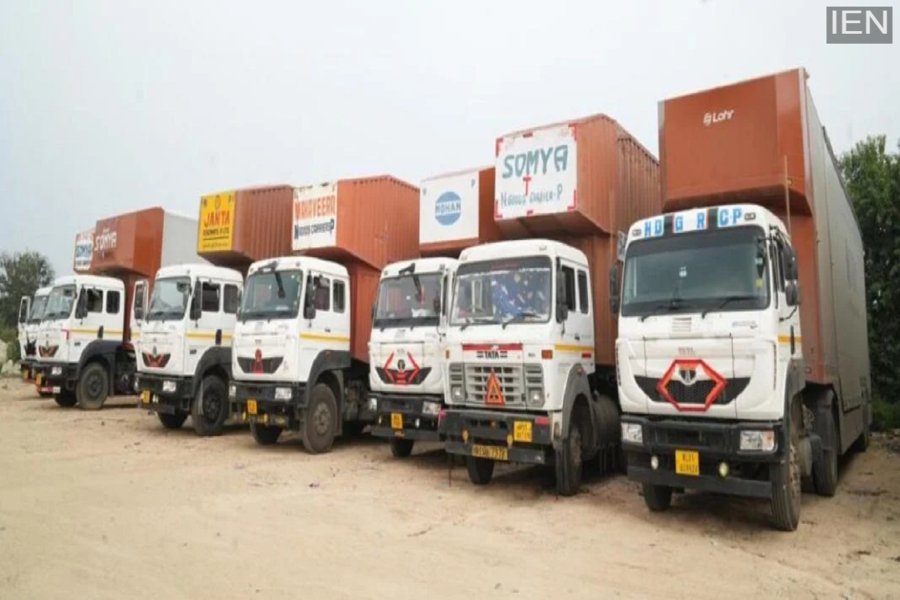
Fuel Adjustment Factor: In light of rising fuel costs and global circumstances, AITWA has decided to implement a Fuel Adjustment Factor (FAF) in freight rates, which will result in adjustments to freight charges based on diesel prices.
Fuel Adjustment Factor: The All India Transport Welfare Association (AITWA)—an organization representing the transport sector across the country—has announced the implementation of a Fuel Adjustment Factor (FAF) in freight rates. This decision has been taken in view of escalating fuel costs and prevailing global conditions.
The organization states that ongoing global tensions and war-like situations are having a direct impact on the international energy market and supply chains. Consequently, the operational costs for the transport industry are continuously rising, making freight transportation increasingly expensive.
What is the Objective of Implementing FAF?
The primary objective of implementing FAF is to adjust freight rates to account for the impact of rising fuel costs, thereby preventing undue financial pressure on the transport sector and ensuring the smooth continuity of operations.
Formula Determined Using Diesel Price as the Base
It is worth noting that the FAF system has been implemented to offset these rising costs. Under this system, the price of diesel prevailing on May 15, 2025, will be considered the base rate. Subsequently, for every increase of ₹1 per liter in the price of diesel, freight rates will be increased by 0.65 percent.
Changes in Freight Rates
Following the implementation of this new formula, fluctuations in diesel prices will have a direct impact on freight rates. When prices rise, freight rates will increase in a corresponding proportion to help balance the costs. This decision is expected to simplify cost management within the transport industry, enabling truck operators and logistics companies to adjust their rates in accordance with changing fuel prices.
AITWA’s move is being hailed as a crucial decision aimed at stabilizing the transport sector amidst rising fuel costs and global uncertainties—a step that is expected to foster greater transparency and balance throughout the entire logistics ecosystem.
