
Air travel is set to become even easier! Stamping of boarding passes to stop from September 1; here are the new rules..
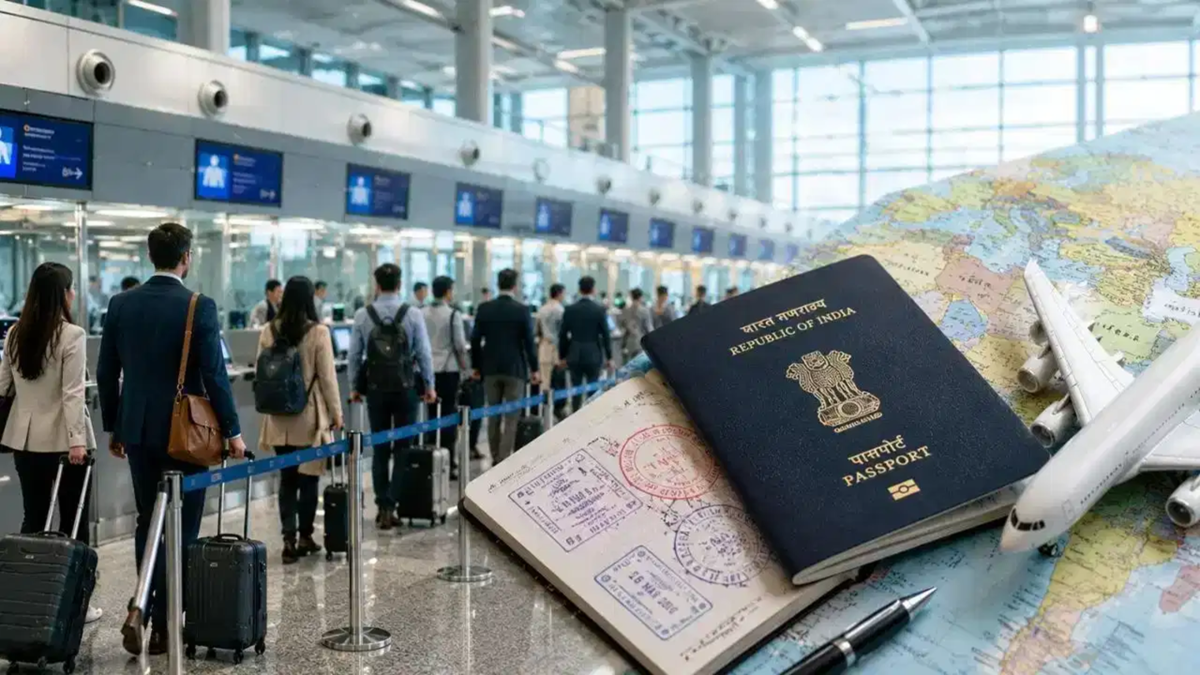
From September 1, passengers departing from Indian airports for international destinations will no longer need to have their boarding passes physically stamped by immigration officials. This move aims to streamline the international departure process. Officials stated that the Bureau of Immigration (BoI), which operates under the Ministry of Home Affairs, has instructed airport authorities to do away with the mandatory requirement of having physical boarding passes stamped at immigration counters. Instead, passengers can present an e-boarding pass on their smartphones for immigration clearance. This change will apply to all international airports in India.
What changes will apply to international passengers?
Under the new system, passengers departing from India will not be required to carry a physical boarding pass specifically for the purpose of immigration stamping. An e-boarding pass displayed on a smartphone will be accepted for clearance. However, physical boarding passes will still be accepted at immigration counters; the key change is that, starting September 1, immigration officials will not stamp them.
This step follows concerns that the existing stamping process was causing inconvenience to passengers. Officials noted instances where boarding passes became unreadable due to "incorrect or improper" stamping. Consequently, the BoI reviewed the process and decided to eliminate this requirement.
Will you still need a boarding pass at the airport?
Yes. This change does not mean passengers can travel without a boarding pass. Passengers will still need their boarding pass for various stages of their airport journey and must keep a digital version on their phones. The change specifically pertains to the requirement for immigration officials to stamp the boarding pass. Officials stated that the Central Industrial Security Force (CISF) is also not stamping boarding passes during personal security checks. The CISF had discontinued the practice of stamping boarding passes for both domestic and international passengers several years ago.
How will passengers benefit?
For international passengers, the immediate benefit is the reduced need for a physical document at the time of departure. Passengers using e-boarding passes will be able to display the document directly from their smartphones for immigration stamping, rather than carrying a paper copy.
This could also reduce confusion caused by unclear or misplaced immigration stamps—a reason cited by officials for discontinuing the practice. However, passengers should ensure their phones are charged so they can access their e-boarding passes when needed. Keeping an offline copy of the boarding pass could also be beneficial in case of connectivity issues at the airport.
Physical stamps may also be phased out gradually
The government is considering further changes to how immigration records are managed. Officials mentioned plans for a pilot project to eliminate immigration entry and exit stamps for Indian passport holders. It is expected that this pilot project will be completed before the system is implemented on a large scale at Indian airports.
If implemented, this would mark a significant shift away from physical documentation in international travel, with the immigration process relying more on digital records rather than stamps on passports or paper documents. However, for now, the change taking effect on September 1 is limited to the stamping of boarding passes at immigration counters. Passengers must continue to adhere to the standard immigration, airline, and security regulations applicable to their international travel.
Disclaimer: This content has been sourced and edited from TV9. While we have made modifications for clarity and presentation, the original content belongs to its respective authors and website. We do not claim ownership of the content.
