
AI Works Wonders! A Major Boost for Solar Power
Solar Energy: Power grids require constant balancing. If electricity demand is high while generation drops, power outages can occur.
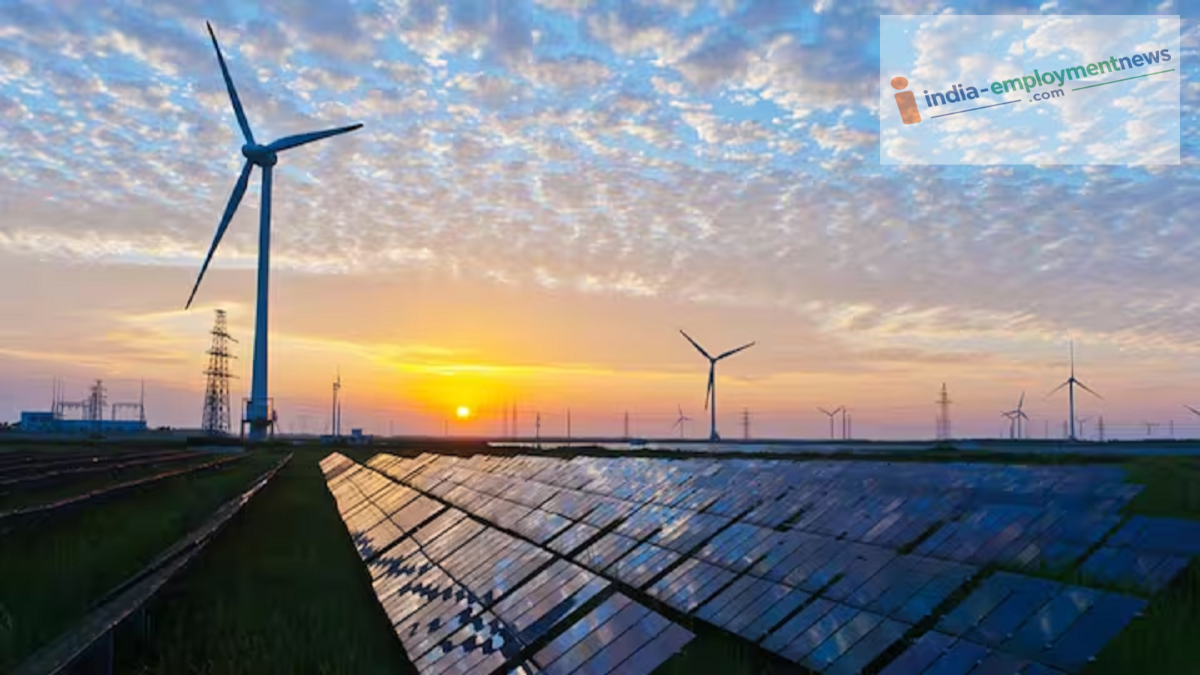
The use of solar energy is growing rapidly worldwide—from residential rooftops to massive solar parks, solar panels are becoming increasingly common. However, a major drawback of solar energy is its complete dependence on weather conditions; poor weather results in lower energy generation. Consequently, it is crucial for power companies to forecast how much electricity solar plants will generate the following day.
To address this challenge, scientists have developed a new technology using Artificial Intelligence (AI) that can predict solar power output with up to 13% greater accuracy than previous methods.
It is worth noting that power grids must remain constantly balanced. If demand exceeds supply, power outages may occur; conversely, managing the grid becomes difficult when there is an excess of generated electricity.
Solar energy production depends on sunlight, so power companies forecast the next day's available electricity in advance. The more accurate this forecast, the better the balance between electricity demand and supply can be maintained.
In this study, scientists developed various models to forecast solar power output. Some models relied on traditional methods capable of identifying patterns in historical data.
Others were based on Artificial Neural Networks—an AI technology. These systems are better at understanding complex weather fluctuations and temporal relationships. As a result, AI-based models perform more effectively under constantly changing conditions.
Researchers utilized weather and solar power generation data collected between 2019 and 2022. During the testing phase, the capabilities of various models were evaluated under real-world conditions to determine which approach yielded the best results. These detailed findings made it clear that relying entirely on a single model is not always the best strategy.
A key finding of the research was that no single model delivered the best performance across all locations and situations. However, the AI model known as BiLSTM significantly outperformed the others. Nevertheless, scientists discovered that combining the results from multiple models produced even better outcomes.
Two distinct methods were employed for this purpose. The first was "weighted averaging," which assigned greater importance to models that had previously demonstrated strong performance. The second was a "multi-input" approach, which integrated weather-related data obtained from various sources.
