
After Crude Oil, Edible Oil Adds to the Worry! Import Bill Crosses a Record ₹2 Lakh Crore
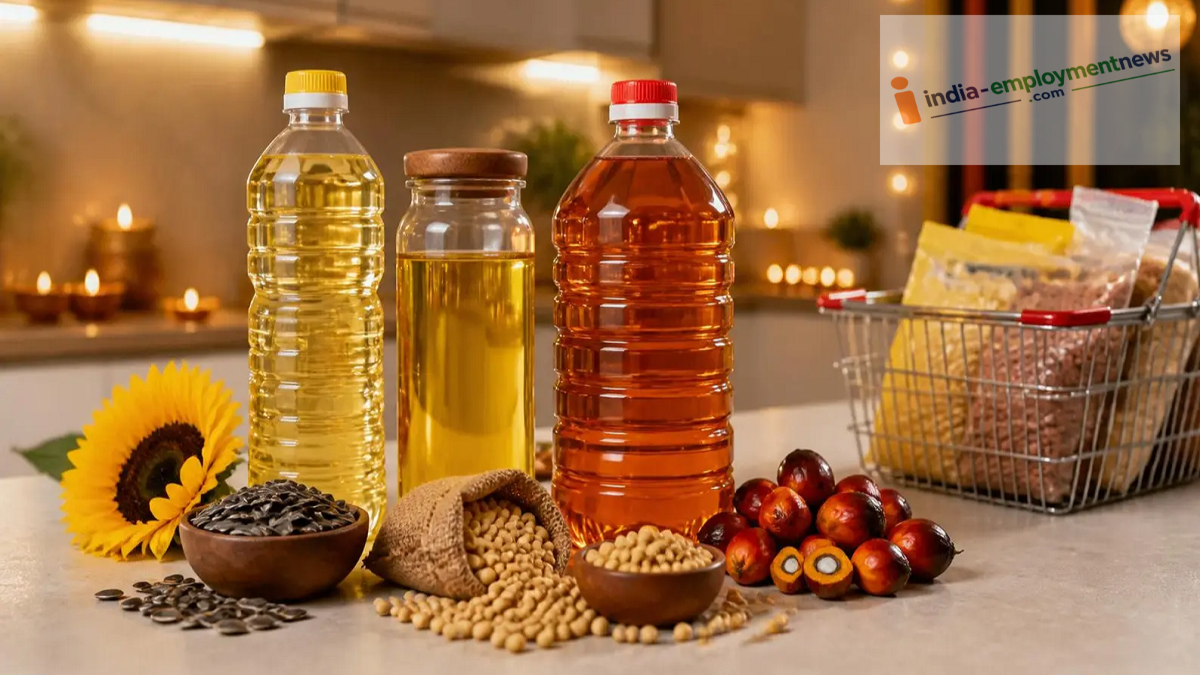
Edible Oil Import: The import bill for edible oil has crossed a record ₹2 lakh crore for the first time. Find out what role crude palm oil played this time and what the current stock levels of edible oil are in the country.
Edible Oil Import: The cost of importing crude oil into India is well-known. Now, edible oil—a staple in our kitchens—has become a new source of concern. It may come as a surprise that India’s import bill for edible oil—the cost incurred on sourcing it from abroad—has crossed a record ₹2 lakh crore this year. Notably, the Prime Minister had previously urged citizens to reduce their consumption of edible oil (much like his appeal regarding gold purchases). Now, that concern is proving to be a reality.
Import Costs Have Surged 15-Fold Over 20 Years
According to a new report by the Solvent Extractors' Association of India (SEA), in the oil year 2025-26 (November to October), India imported a total of 16.9 million tonnes (1.69 crore tonnes) of edible oil. While the volume increased by only 6% compared to the previous year, the expenditure surged by 24%. In the oil year 2024-25, India imported 16 million tonnes (1.60 crore tonnes) of oil, at a cost of approximately ₹1,61,126 crore.
India has been importing edible oil since the 1990s to meet domestic demand. However, data from the last 20 years reveals that while the volume of imports has grown 2.8 times, the expenditure incurred has risen nearly 15-fold.
Demand for Refined Oil Declines; Crude Palm Oil Takes the Lead
A very interesting finding has emerged from this report. This time, we have purchased significantly less refined (processed) oil from abroad. Imports of refined oil have dropped sharply from 1.74 million tonnes to 0.82 million tonnes. Its share in total imports has also fallen from 11% to just 5%. The primary reason for this is that imports of refined palmolein from Indonesia and Malaysia were virtually non-existent. However, we did purchase a substantial quantity of refined soybean oil from Nepal.
Palm oil continues to dominate
Since we imported less refined oil, there was a significant increase in the import of crude edible oil to compensate. Imports of crude edible oils rose from 14.2 million tonnes to 16.1 million tonnes. Consequently, the share of crude oil in our total imports has increased from 89% to 95%.
In terms of which oil was imported the most, palm oil imports rose from 7.58 million tonnes to 8.23 million tonnes. Additionally, imports of 'soft oils'—such as soybean and sunflower oil—increased from 8.43 million tonnes to 8.7 million tonnes. Overall, the share of palm oil has risen from 47% to 49%.
How much oil is currently in stock within the country?
You might wonder where all this imported oil is being stored. According to estimates by the Solvent Extractors' Association (SEA), as of November 1, there was a stock of approximately 1.35 million tonnes of oil at our ports. Furthermore, 0.95 million tonnes of oil are held by factories, depots, distributors, and retailers. In total, as of November 1, the country held a stock of 2.31 million tonnes of edible oil—an increase of 0.23 million tonnes compared to a month earlier (October 1). In other words, there is currently no shortage of supply; it’s just that the bill for importing oil from abroad is becoming an increasing burden on our pockets.
