
A Single Shot from This Cannon Created a ‘Lake’! Fired Only Once in 200 Years; Named After the King
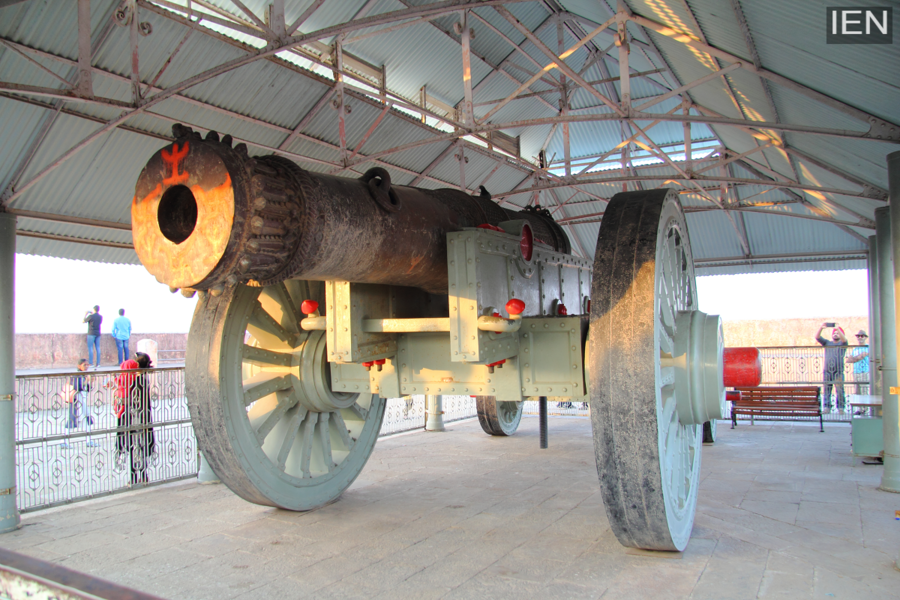
Jaivana Cannon, Jaipur: The Jaivana cannon is worshipped on the day of Dussehra. It has been fired only once in its history. Weighing several tons, it is a truly colossal weapon.
Nestled amidst the hills of Rajasthan, Jaigarh Fort tells a tale of valor that resonates even from a distance. Perched upon the ramparts of this very fort stands the Jaivana cannon—ranked among the largest wheeled cannons in the world. Even today, visitors pause in awe upon seeing it, left to wonder: why, exactly, was such a massive cannon built?
The Jaivana cannon was commissioned during the reign of Maharaja Sawai Jai Singh II in the year 1720. He was not merely a ruler but also a scholar well-versed in science and astronomy. The cannon was cast within the very precincts of Jaigarh Fort, utilizing the on-site foundry. In that era, casting such a massive metal structure was, in itself, a monumental achievement. The cannon was designed to serve as a guardian of the kingdom—a deterrent intended to strike fear into the hearts of enemies from afar.
A Size So Massive It Defies Belief
According to experts, the Jaivana weighs approximately 50 tons, and its barrel is reported to be over 20 feet in length. The total length of the cannon is estimated to exceed 30 feet. It rests upon a sturdy carriage featuring massive wheels, each standing nine feet tall. These wheels allowed the cannon to be maneuvered and rotated. Crafting such a structure using the tools and technology available at the time stands as a testament to the extraordinary artistry of the artisans of that era.
Fired Only Once
Historical records indicate that the Jaivana cannon was test-fired only once. During this trial, it was loaded with approximately 100 kilograms of gunpowder. Upon firing the shot, a thunderous explosion ensued. Legend has it that the cannonball landed nearly 35 kilometers away, and the impact site subsequently transformed into a lake. The location where the cannonball ultimately landed is known as Chaksu. It is said that special arrangements were made for the cannon operator to jump into a water-filled pit immediately after firing the weapon; however, he reportedly died following the blast, and several people in the vicinity lost their hearing. Historians, however, believe this account to be an exaggeration, as it seems implausible for a cannonball to literally create a lake.
Never Used in Warfare
Interestingly, despite its immense size, this cannon was never actually deployed in battle. Its primary function was to exert a psychological impact on the enemy. Positioned atop the fort’s ramparts, the cannon served as a distant symbol of power, conveying the message that the kingdom was prepared to face any threat.
Still a Major Attraction
Today, the Jaivana cannon is safely preserved within the Jaigarh Fort. Tourists visiting Jaipur and Amer invariably make it a point to come and see it. Children attempt to measure its height, adults marvel at its intricate design, and guides captivate everyone by recounting its fascinating history.
