
A Historic Milestone: Bidding Farewell to Diesel Engines; Railways on the Verge of 100% Electrification
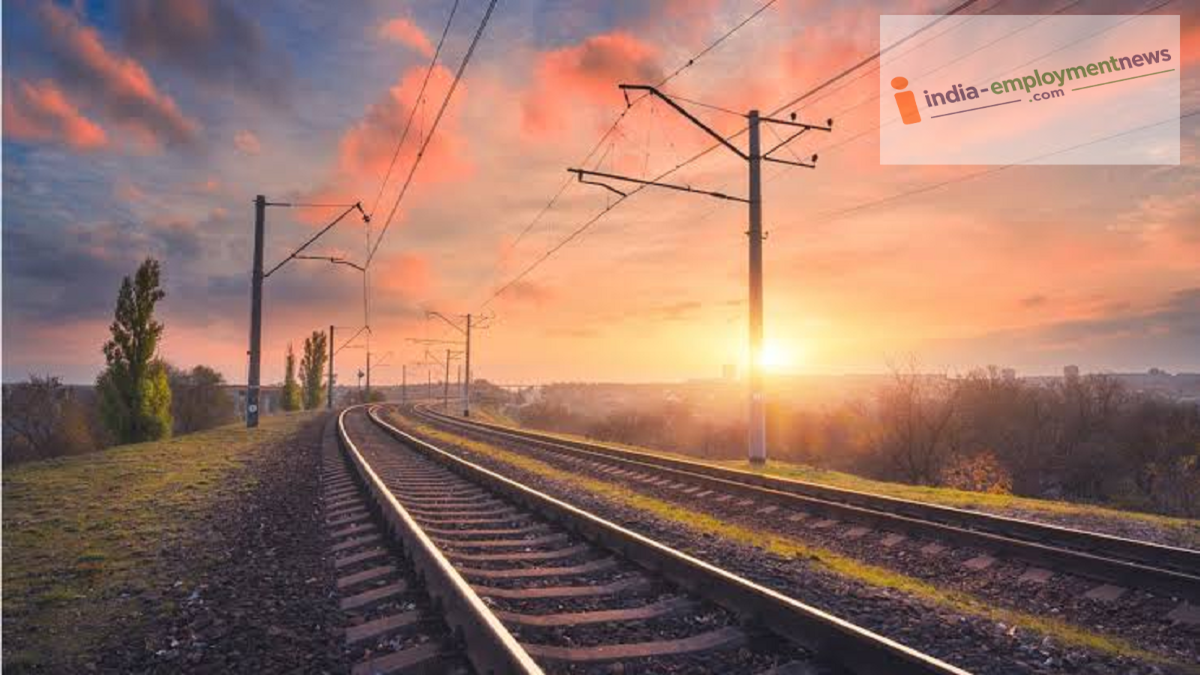
Indian Railways is nearing 100% electrification, with work remaining on only 191 route kilometers. This move will help reduce diesel consumption costs and pollution, marking a significant step towards making rail transport more energy-efficient.
Indian Railways is on the cusp of a major transformation across its network. Infrastructure is now in place to operate over 99% of the country's trains using electricity. The remaining challenge lies in completing electrification work on just 191 route kilometers of track. Once this is done, the Railways will move closer to its goal of achieving 100% electrification of its broad-gauge network.
According to reports, electrification is pending on only 191 route kilometers of the Indian Railways' broad-gauge network; these sections span three states. Electrification involves installing overhead power lines so that trains can run on electricity instead of diesel. The Railways has long been working to electrify its network with the aim of improving train operations and reducing reliance on diesel.
Significant Drop in Diesel Consumption
The rise in the number of electric trains across the railway network has impacted diesel consumption. Data from the Ministry of Railways shows that approximately 293 crore liters of diesel were used to operate trains in the 2015-16 fiscal year. By the 2024-25 fiscal year, this figure had dropped to around 108 crore liters. This demonstrates that increased electrification has helped reduce the need for diesel, thereby offering an opportunity to cut fuel-related expenses.
Why is Electrification Crucial for the Environment?
Diesel-powered engines emit smoke, which contributes to air pollution. The use of electric trains can help reduce pollution directly associated with railway operations. However, the environmental benefit also depends on the source of the electricity generation.
Focus on completing the remaining work
Completing electrification on the remaining 191 route-kilometers is crucial for the railways. This will expand the scope of electric train operations. It will also strengthen efforts to reduce dependence on diesel, conserve energy, and make rail transport more environmentally friendly.
