
A heavy burden on passengers' pockets! IndiGo may soon raise airfares due to the impact of fuel costs..
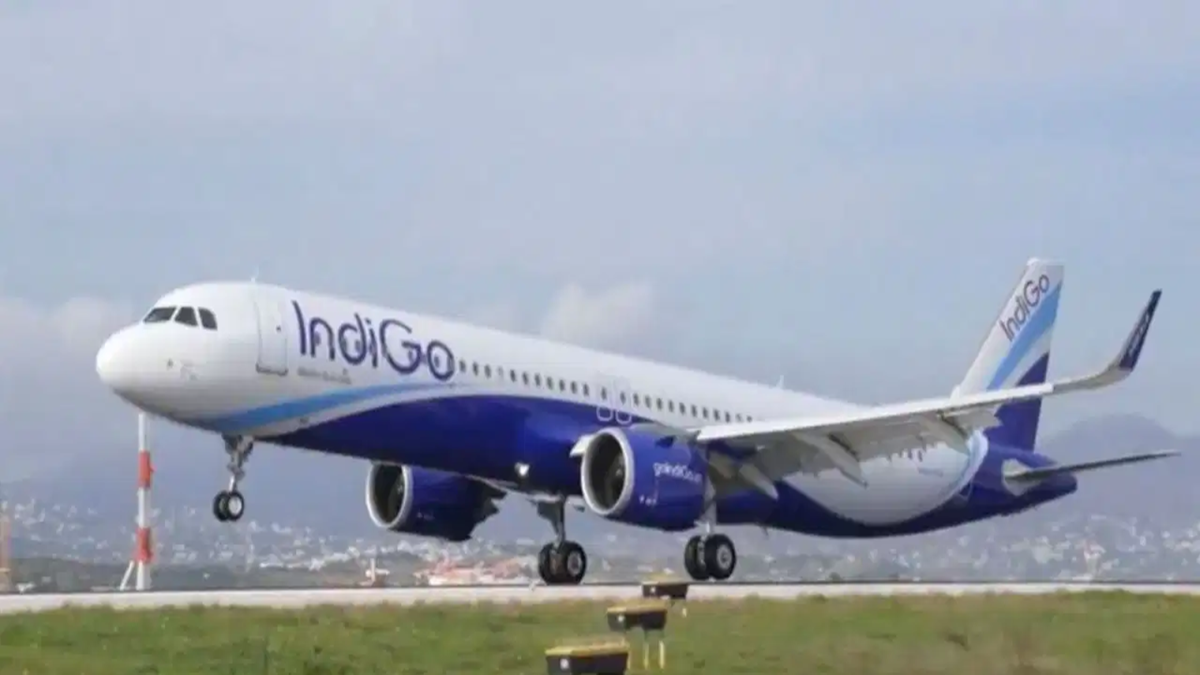
IndiGo may raise airfares to offset the impact of rising fuel prices. The airline has reported a loss for the third consecutive quarter, even as its revenue and operating earnings saw a significant increase—surpassing Bloomberg’s estimates. InterGlobe Aviation, the parent company of the country’s largest airline, recorded a consolidated net loss of ₹1,879 crore for the July–September quarter. This is 27.2% lower than the loss of ₹2,582 crore reported a year earlier. The loss was also lower than Bloomberg’s estimate of ₹2,063 crore, primarily due to a reduction in foreign exchange-related losses. CEO Pieter Elbers (referred to as Willie Walsh in the source text) noted that fuel prices have surged, leaving the airline with no choice but to raise fares—a clear indication that passengers may now have to pay more for their tickets.
Earnings Highlights
Revenue from operations grew by 25.9% year-on-year to ₹23,364 crore, up from ₹18,555 crore in the previous year, exceeding Bloomberg’s estimate of ₹22,988 crore. Earnings Before Interest, Taxes, Depreciation, and Amortization (EBITDA) jumped 229.1% to ₹1,907 crore (compared to ₹580 crore previously), performing better than the estimated ₹1,663 crore. The EBITDA margin improved to 8.2%, up from 3.1% a year ago. However, this improvement in operating performance was not sufficient to fully offset the sharp rise in costs. According to the company's report, total expenses rose by 19% year-on-year to Rs 26,188 crore, while fuel costs surged by 67% to reach approximately $1 billion.
Lower Foreign Exchange Losses
Foreign exchange losses declined to Rs 1,333 crore, down from Rs 2,892 crore in the same quarter of the previous year. Excluding the impact of foreign exchange, IndiGo incurred a loss of Rs 724 crore, compared to a profit of Rs 104 crore in the same period a year ago. Walsh attributed this pressure to the exceptionally high prices of Aviation Turbine Fuel (ATF) and ongoing geopolitical instability. He noted that this year, the 'refining crack spread' (the price difference between refined fuel and crude oil) averaged around 65%, significantly higher than the historical average of approximately 22%. Consequently, jet fuel costs remained at elevated levels.
Passenger Traffic at IndiGo
During this quarter, IndiGo carried 27.5 million (2.75 crore) passengers, a decrease of 4.7% compared to the same period last year. Capacity, measured in terms of 'Available Seat Kilometers' (ASK), fell by 1% to 40.8 billion. Passenger traffic, measured in 'Revenue Passenger Kilometers' (RPK), dropped by 3.7% to 32.8 billion, and the passenger load factor declined from 82.5% to 80.3%. However, passenger yield increased by 34.3% to Rs 6.30, which helped support revenue despite the decline in passenger numbers.
How much debt does the company have?
Walsh noted that September was the weakest month of the quarter, but he remains optimistic about demand during the festive season. The airline expects capacity to grow by a "low single-digit" percentage (i.e., less than 10%) in the December quarter. Walsh stated that IndiGo will continue to take measures to control costs, though the company is not planning any major, large-scale cost-cutting program. As of the end of September, the airline’s total debt stood at ₹87,303 crore, which includes ₹55,159 crore in "capitalized operating lease liabilities" (liabilities related to leased aircraft). Meanwhile, the company held a total cash balance of ₹52,685 crore. Despite short-term pressures, IndiGo remains fully committed to its international expansion plans and the induction of Airbus A350 wide-body aircraft in 2028. Walsh emphasized that they do not intend to delay any of their long-term plans.
Disclaimer: This content has been sourced and edited from TV9. While we have made modifications for clarity and presentation, the original content belongs to its respective authors and website. We do not claim ownership of the content.
