
A comprehensive look at the bank strike: duration of the shutdown and potential impact on UPI and ATM services.
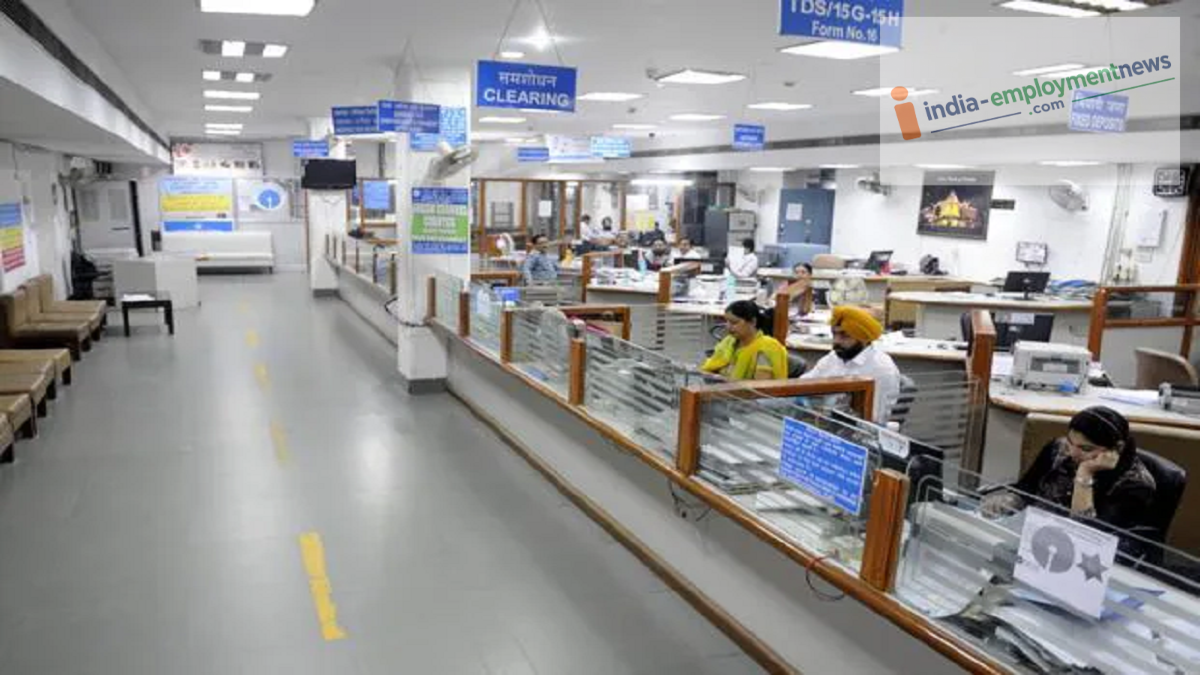
The United Forum of Bank Unions has called for a strike to press its demand for a five-day work week in banks. Following a conciliation meeting with the government on September 22, the unions announced that the strike would proceed as planned.
Despite numerous appeals from the Department of Financial Services (DFS), the Indian Banks’ Association (IBA), and bank management, the bank unions remain firm on their decision to hold a proposed three-day nationwide strike from September 28 to September 30, 2026. The unions maintain that there has been no positive progress from the government or management regarding their demand for a five-day work week for bank employees; consequently, they state they have no other option but to go on strike. In a statement issued on Tuesday, the United Forum of Bank Unions (UFBU) said, “We appeal to all our unions and members to step forward and implement the call for a three-day strike on September 28, 29, and 30.”
When is the bank strike taking place?
The bank strike is scheduled from September 28 to September 30, 2026—that is, from the coming Monday to Wednesday. However, since the strike is preceded by Saturday and Sunday, banks will remain closed for five consecutive days. Banks will be closed on September 26 due to it being the fourth Saturday, followed by the Sunday holiday on September 27.
What are the employees’ demands?
There are two primary reasons behind the strike called by the UFBU, issues over which there has been a long-standing standoff between bank employees and management:
- Implementation of a 5-day work week: Bank employees have long demanded this. In March 2024, under the 12th Bipartite Wage Revision Settlement, an agreement was reached between the Indian Banks’ Association (IBA) and bank unions to declare all Saturdays as official holidays. Although the IBA gave its approval and the file was forwarded to the Department of Financial Services (DFS) under the Ministry of Finance for final clearance, the government has not notified it over the past two years, causing resentment among the unions.
- Withdrawal of the Performance-Linked Incentive (PLI) scheme: Bank unions are also strongly opposing the recently introduced incentive system. They argue that the current rules and evaluation criteria of the PLI scheme are impractical. They contend that the existing rules are discriminatory; instead of benefiting all bank employees equally, the scheme fosters unnecessary competition and work-related stress among them.
What are the major banks saying?
The strike is expected to have the greatest impact on services that require visiting a branch or… Employee assistance is required for operations. State Bank of India (SBI) and Canara Bank have already warned customers that branch operations could be affected during the proposed strike. Therefore, customers needing to visit a branch for any banking-related tasks would be well-advised to complete their work before September 28.
— State Bank of India (@TheOfficialSBI) September 19, 2026
Punjab National Bank appealed to its employees, stating that both the government and the bank are committed to their welfare. The bank urged employees not to participate in the strike and to contribute to the organization’s continued progress.
In its appeal, Bank of Baroda stated, “Millions of families, pensioners, entrepreneurs, and businesses rely on us every day. Let us all work together to ensure that every customer continues to receive uninterrupted banking services.”
Will there be difficulties in withdrawing cash?
The strike does not mean that customers will be unable to withdraw cash. SBI has advised customers that they can use ATMs and ADWMs (Automated Deposit and Withdrawal Machines) for cash needs during the strike. Canara Bank has also highlighted ATMs and BNAs (Bunch Note Acceptors) as alternative options available to customers.
What will be the impact on UPI services?
No, UPI services will remain unaffected during the strike. SBI has encouraged customers to use internet banking, YONO, mobile banking, and UPI. Canara Bank has also advised the use of mobile and internet banking, as well as its UPI app. This means customers will still have options for making digital payments or using online banking.
What is the government’s stance?
The Department of Financial Services (DFS) under the Ministry of Finance held a crucial review meeting with the heads of Public Sector Banks (PSBs) regarding this matter on Monday. During the meeting, the ministry instructed banks to be fully prepared to minimize disruptions caused by the strike.
The Ministry of Finance stated, “Strikes disrupt banking services, causing inconvenience to the general public and affecting bank operations; ultimately, this also harms the interests of bank employees.” “Strikes do not yield any concrete results. The government is committed to the welfare of bank employees and to resolving their legitimate issues through dialogue.”
According to the ministry, most of the issues raised by the unions have already been largely resolved, and the remaining demands are still under consideration. The ministry has appealed to bank employees to refrain from striking, to resolve issues through dialogue, and to ensure that banking services continue without interruption.
