
A Boon for CNG Users in Winter: Get More Gas for the Same Price
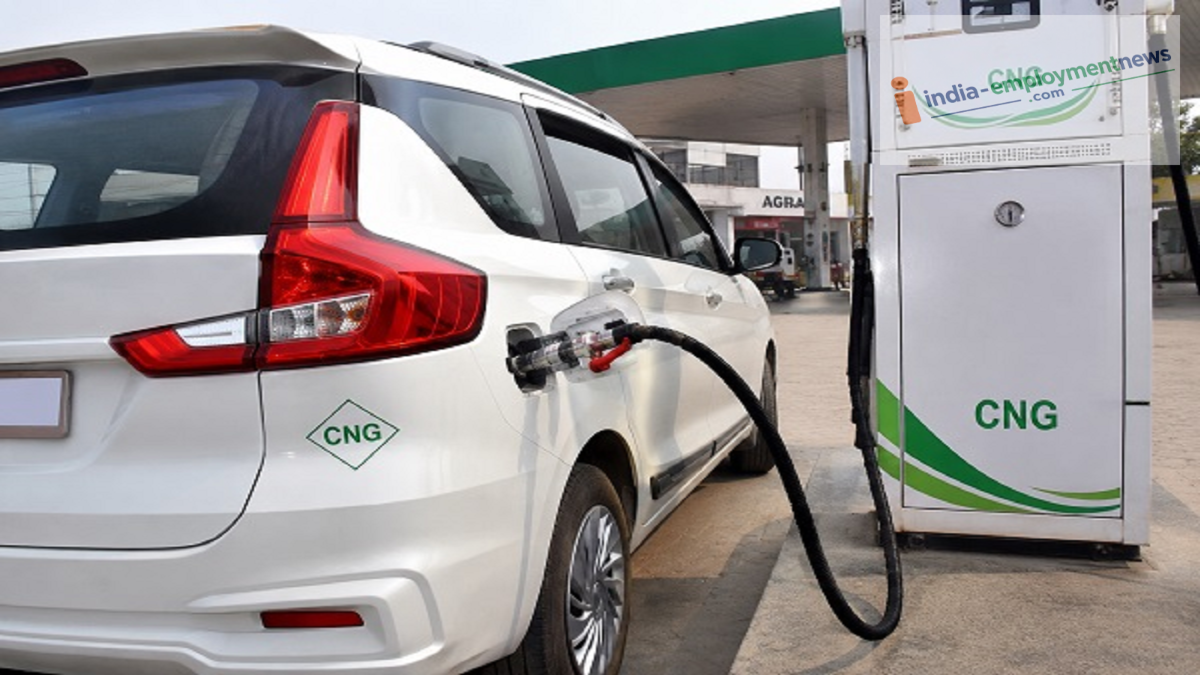
If you drive a CNG-powered vehicle, this information is for you. Did you know that filling up with CNG during the winter can be advantageous? This is because more gas can fit into your tank in winter compared to the summer.
As November draws to a close and the cold sets in during December, people’s preferences vary—some enjoy the summer, while others prefer the winter. Winter, in particular, can be beneficial for those who drive CNG-powered vehicles.
So, what exactly is the advantage for CNG vehicles in winter? In cold weather, a bit more CNG can fit into the tank. In other words, for the same amount of money you spend on CNG in the summer, you can get a slightly larger quantity of gas into your tank during the winter. Not many people may be aware of this. Let’s explore the reason behind this and find out if it is truly advantageous to fill up with CNG during the winter.
Can you get more gas in cold weather?
In winter, the density of CNG increases, meaning the gas becomes more compressed. Consequently, when the temperature drops, more gas can fit into the tank. It is important to note, however, that the price of CNG is determined by weight (per kilogram); therefore, the gas itself does not become cheaper in the winter. Nevertheless, because the tank can be filled more effectively, it can positively impact the vehicle's range—that is, the distance the vehicle can travel on a single fill.
Let’s look at an example:
During the winter, the density of CNG increases, making the gas more compressed. If gas is filled at the same pressure in both summer and winter, a slightly larger quantity of gas can fit into the tank during the colder season. For instance, if a tank holds 10 kg of CNG when filled in the summer, it might hold a bit more than that when filled at the same pressure during the winter. It is worth noting that the extent of any variation depends on factors such as temperature, the specific gas station, and the pressure at which the gas is filled.
A note for CNG vehicle owners:
If you own a CNG vehicle, make sure to check your mileage after refueling. Have your tank inspected periodically. Do not ignore the smell of gas if you detect one. Furthermore, always ensure that you refuel only at authorized CNG stations. Also, keep an eye on the air pressure in your vehicle's tires.
