
8th Pay Commission: Will the report arrive in 2028? Potential rise in arrears to add to the government's burden
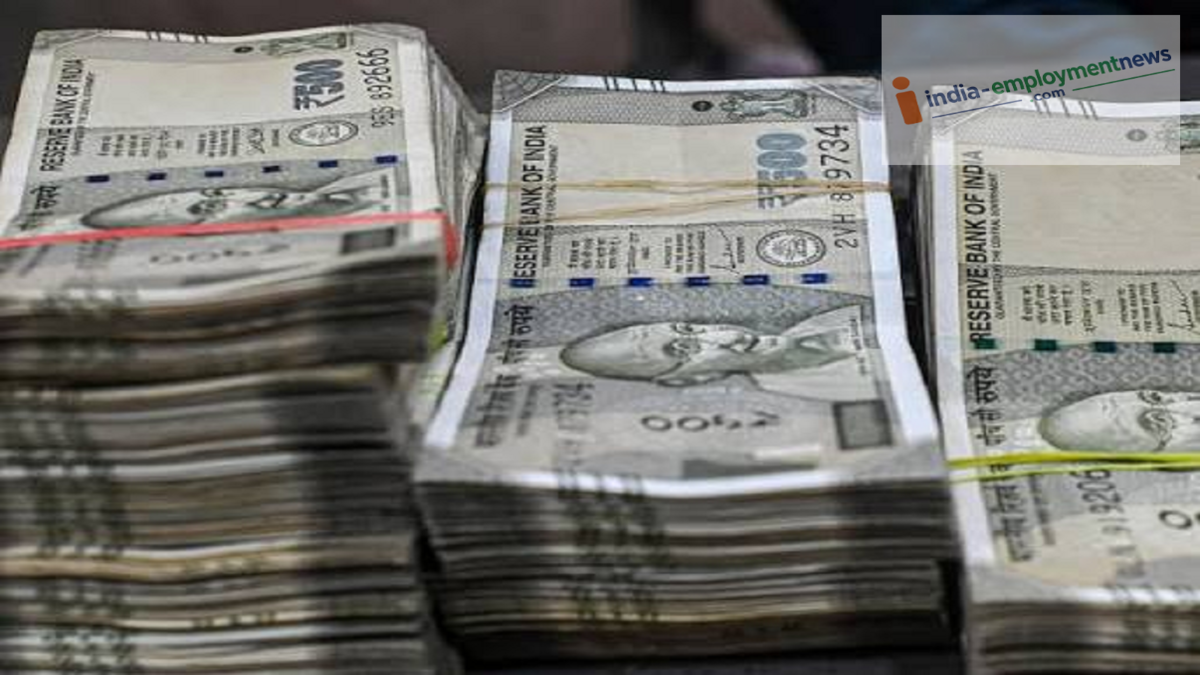
According to a Deutsche Bank report, the 8th Pay Commission is set to impose an additional financial burden of at least Rs 3 lakh crore on the government. Delaying its implementation until 2028 could necessitate the payment of arrears to employees.
Central government employees and pensioners are now focused on the 8th Pay Commission. Everyone is keen to know when the new salary structure will come into effect and the extent to which their pay will increase. However, any delay in implementing the Pay Commission's recommendations would not only prolong the wait for employees but could also impact the government exchequer.
A report by Deutsche Bank Research indicates that implementing the 8th Pay Commission's recommendations could result in an additional expenditure of at least Rs 3 lakh crore for the government. While deferring the salary revision until 2028 might offer the government some immediate relief from such expenditure, it would eventually lead to the requirement of paying arrears to employees—a move that could significantly increase the total one-time financial outflow.
How much could the expenditure for the 8th Pay Commission rise?
In its '2027 World Outlook' report, Deutsche Bank estimates that the implementation of the 8th Pay Commission's recommendations could cost the government an additional Rs 3 lakh crore. This figure exceeds the Reserve Bank of India's (RBI) projected dividend of Rs 2.9 lakh crore for the 2027 fiscal year—though it should be noted that these figures pertain to different financial years.
Why would arrears increase in the event of a delay?
If the government decides to postpone the implementation of the Pay Commission until 2028, the immediate fiscal pressure might ease. However, if the new recommendations are applied retrospectively (from an earlier effective date), the unpaid salaries and allowances owed to employees will accumulate. Consequently, the government could eventually be required to pay a substantial sum in the form of arrears.
What challenges will the government face? According to the report, the government will face the challenge of keeping the fiscal deficit under control while managing the expenses related to the Pay Commission. However, an increase in employee income could boost market purchases and domestic demand.
Deutsche Bank has projected India's GDP growth at 7.3% for the financial year 2027, 7.2% for 2028, and 7.3% for 2029. As of now, no definitive decision has been reached regarding the implementation date for the 8th Pay Commission or the payment of arrears.
