
8th Pay Commission: Salaries Set to Rise! Will There Be a Hike of Up to 186%? See the Full Calculation
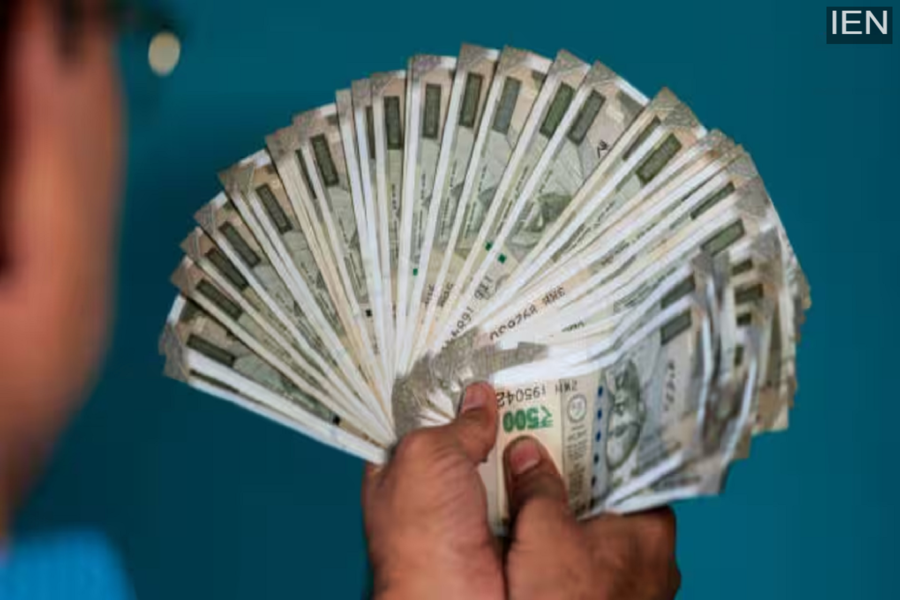
8th Pay Commission: The recommendations of the 7th Pay Commission were approved within six months and came into effect on January 1, 2016. Based on this timeline, the 8th Pay Commission is expected to be implemented approximately 20 months from now.
8th Pay Commission: The Union Cabinet, led by Prime Minister Narendra Modi, has already approved the Terms of Reference (ToR) for the 8th Central Pay Commission (CPC). Concurrently, the government has constituted the new CPC and issued the official notification regarding its formation. The recommendations made by the Commission will apply to approximately 1.2 crore Central Government employees and pensioners.
Announcement Made in January 2025
In January 2025, the Central Government announced the constitution of the 8th Pay Commission to review and recommend revisions to the salaries and other allowances of Central Government employees. Former Supreme Court Justice Ranjana Prakash Desai was appointed as the Chairperson of the 8th CPC. Meanwhile, Professor Pulak Ghosh of IIM Bangalore has been appointed as a part-time member of the new Pay Commission. The government has also appointed Pankaj Jain, Secretary in the Ministry of Petroleum and Natural Gas, as the Member-Secretary of the Pay Commission.
The recommendations of the 7th Pay Commission were approved within six months and came into effect on January 1, 2016. If we use that same timeframe as a benchmark, the 8th Pay Commission is likely to be implemented approximately 20 months from now. Following the conclusion of the 7th Pay Commission's tenure, the provisions of the 8th Pay Commission are expected to come into effect on January 1, 2026. The government had stated, "Typically, the recommendations of Pay Commissions are implemented at intervals of ten years. In light of this established practice, the recommendations of the 8th Central Pay Commission are generally expected to take effect from January 1, 2026."
What is the Current Salary?
Currently, Central Government employees and pensioners are paid under the 7th Pay Commission. Their minimum basic salary is ₹18,000, while pensioners receive a minimum basic pension of ₹9,000. Conversely, under the 7th Pay Commission, the maximum basic salary is ₹2,25,000, whereas individuals holding top-tier positions—such as the Cabinet Secretary and others—receive ₹2,50,000 per month. Under the 7th Pay Commission, the fitment factor was fixed at 2.57; additionally, the Dearness Allowance (DA) and Dearness Relief (DR) currently stand at 58 percent.
How Big Will the Hike Be?
Experts suggest that under the 8th Pay Commission, the fitment factor could be set at 2.86. Under the 7th Pay Commission, the minimum basic salary is ₹18,000. If the government decides to fix the fitment factor at 2.86 this time, the calculation would be: 18,000 × 2.86 = 51,480. This indicates that if the fitment factor is set at 2.86, the minimum basic salary would jump directly from ₹18,000 to ₹51,480. In other words, there could be a massive increase of 186 percent in the basic salary.
However, the government has not yet officially confirmed a fitment factor of 2.86 or a salary hike of 186 percent. The unions are demanding that the fitment factor be set at 3. If this demand is met, the minimum salary could rise to as high as ₹54,000.
