
8th Pay Commission: Find out who will benefit from the 8th Pay Commission and by when the recommendations will be implemented..
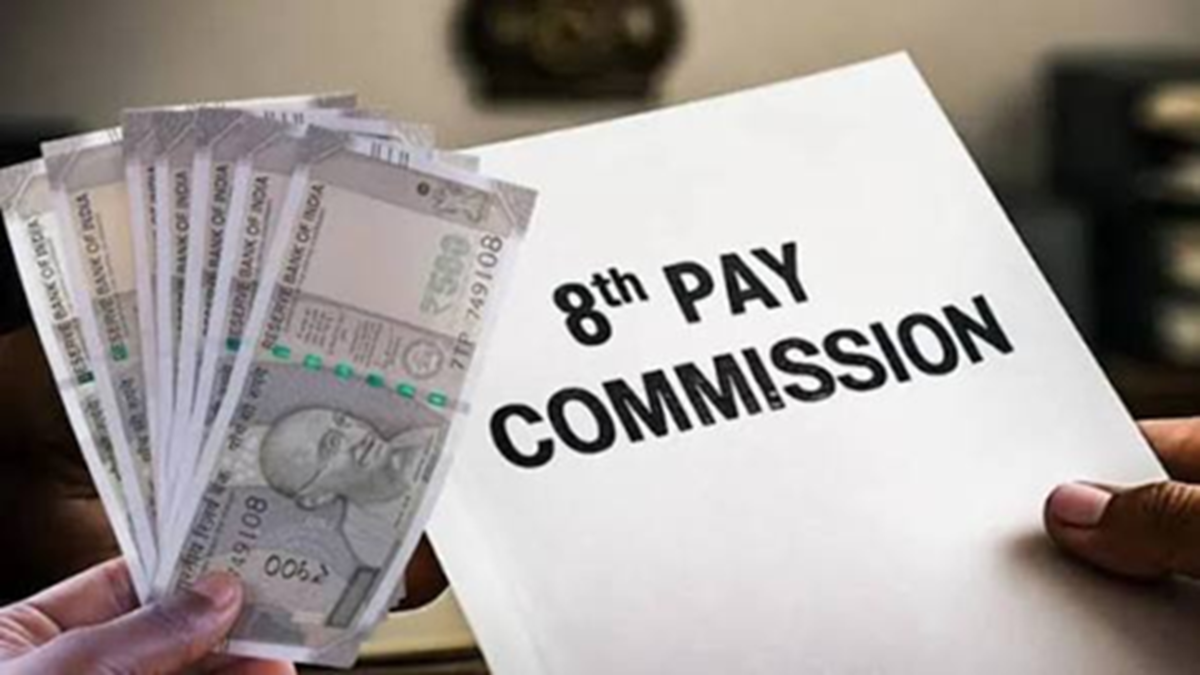
8th CPC Beneficiaries & Timeline: A series of meetings and discussions is underway regarding the 8th Central Pay Commission (CPC), constituted to revise the basic salary, allowances, and pensions of central government employees and pensioners. Constituted once a decade, this commission will play a pivotal role in determining the pay structure for over 10 million (1 crore) central government employees and pensioners.
Headed by former Supreme Court Justice Ranjana Prakash Desai, the commission is currently engaged in gathering data and holding meetings with various employee organizations, unions, and stakeholders. Let us look at who stands to benefit from this commission and when its recommendations might be implemented.
Current Status of the 8th Pay Commission
The 8th Pay Commission is chaired by former Supreme Court Justice Ranjana Prakash Desai. Additionally, former IAS officer Pankaj Jain (Member-Secretary) and IIM Bangalore Professor Pulak Ghosh (Part-time Member) are part of the panel.
The commission set June 15 as the deadline for submitting suggestions and July 31 as the deadline for collecting salary and service-related data. Since March, the commission's team has been visiting various states and union territories across the country to gather direct feedback from employee organizations, as well as representatives of railway and defense personnel.
What aspects is the commission reviewing?
The commission is reviewing the entire pay structure for employees and retired pensioners based on a total of 18 pay levels:
Basic Salary: Restructuring of basic pay and the pay matrix.
Allowances: Dearness Allowance (DA), Dearness Relief (DR), House Rent Allowance (HRA), etc.
Pension and Other Benefits: Pension formula, increment rules, promotions, and other financial benefits.
Who will benefit?
The recommendations of the 8th Pay Commission will apply to approximately 10 million (1 crore) beneficiaries, comprising about 5 million (50 lakh) active central government employees and 6.5 million (65 lakh) pensioners. The complete list of eligible categories is as follows:
Central Government Employees: Both industrial and non-industrial. All India Services: Officers belonging to the All India Services.
Armed Forces: Personnel and officers of the Indian Army, Navy, and Air Force.
Union Territory Employees: Administrative and other personnel across all Union Territories.
Indian Audit and Accounts Department (IA&AD): Employees of the CAG and associated audit departments.
Members of Regulatory Bodies: Officials of regulatory bodies constituted under Acts of Parliament.
Judiciary: Employees of the Supreme Court and High Courts, as well as judicial officers of subordinate courts in Union Territories.
When will the recommendations be submitted and the payments made?
The Central Government constituted the 8th Pay Commission on November 3, 2025, and granted it a period of 18 months to submit its final report. Based on this 18-month timeframe, the Commission's final report is likely to be submitted between February and April 2027.
Looking at the trends of previous pay commissions, it typically takes 2 to 3 years to implement the recommendations and disburse revised salaries after the report is submitted. This implies that employees and pensioners would fully receive the benefits of the recommendations—expected in 2027—by 2029 or 2030.
Disclaimer: This content has been sourced and edited from Money Control. While we have made modifications for clarity and presentation, the original content belongs to its respective authors and website. We do not claim ownership of the content.
