
You could get an electric shock if you don't check for this coating on the water heating rod when you buy it..
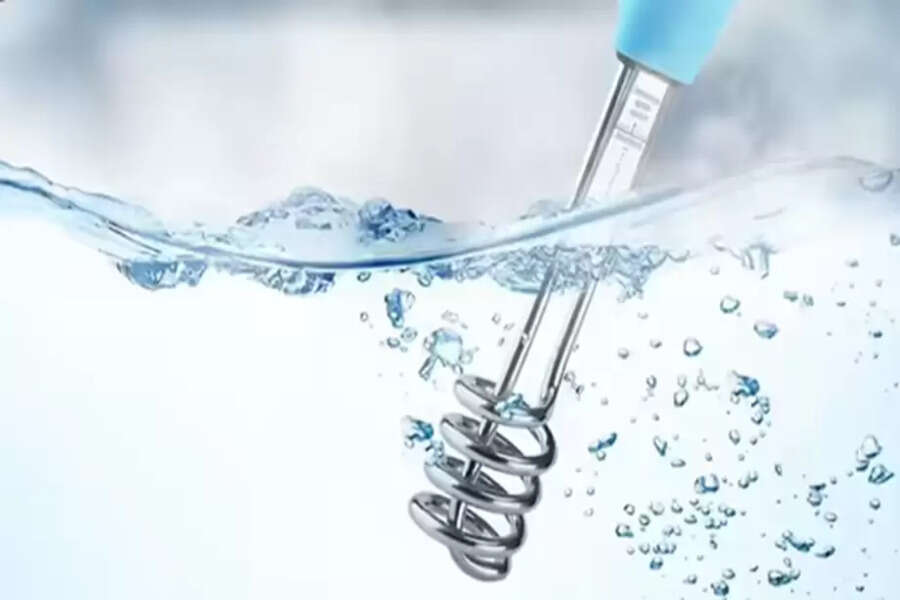
Water Heater Rod Buying Guide: In winter, most people use immersion rods to heat water. This is a very easy and inexpensive way to heat water. Water heating rods are small and can be easily carried anywhere. Although new and advanced water heaters are available these days, immersion rods are still a reliable, energy-saving, and budget-friendly option for many people. However, rods from various companies are available in the market. With so many options, people often fail to choose the right rod based on size, wattage, and safety features. Choosing the wrong rod can result in insufficient heating, higher electricity bills, or even an electric shock hazard. Therefore, it is very important to know what to keep in mind when buying an immersion rod.
What is an Immersion Rod?
First of all, let's understand that an immersion rod is also called a water heater rod or water geyser rod. It is a portable electric heating device that heats water. It has a metal coil, often made of copper or stainless steel. When immersed in a bucket or container of water, it heats the water in just a few minutes. It is portable, inexpensive, and heats water quickly. Unlike a geyser, the rod doesn't need to be permanently installed anywhere. You just need to plug it in, and the rod starts working. It's a good option for small families and people living alone.
What wattage rod should you buy?
Not paying attention to the wattage before buying an immersion rod is your biggest mistake. If you want the water to heat up quickly, buy a higher wattage rod. Most rods come in the range of 1000W to 2000W. A 1000W rod is good for small buckets or for limited use. It's a good option if you need to heat water for washing dishes or hand-washing clothes. On the other hand, a 1500W to 2000W heating rod is ideal for larger buckets and for heating water quickly. It's a better option for heating bathwater in very cold weather.
Which is better: stainless steel or copper rod?
The material plays a big role in durability and performance. Most good-quality heating rods are made of copper or stainless steel. Copper rods heat water faster, but they can corrode if not properly coated. Stainless steel rods, on the other hand, are more durable. They don't rust and are good for long-term use. Look for rods that have nickel or chrome plating, which protects against rust and scaling.
Lack of safety features can lead to electric shock
Safety features are essential for any electrical appliance. Modern immersion rods come with necessary features. These include a shockproof handle, water level markings, an auto cut-off function, insulated wiring, and a plug. These features help prevent electric shocks and overheating.
Disclaimer: This content has been sourced and edited from Navbharat Times. While we have made modifications for clarity and presentation, the original content belongs to its respective authors and website. We do not claim ownership of the content.
