
Wi-Fi Scams Are Possible, Even Without OTPs: Here's How to Stay Safe
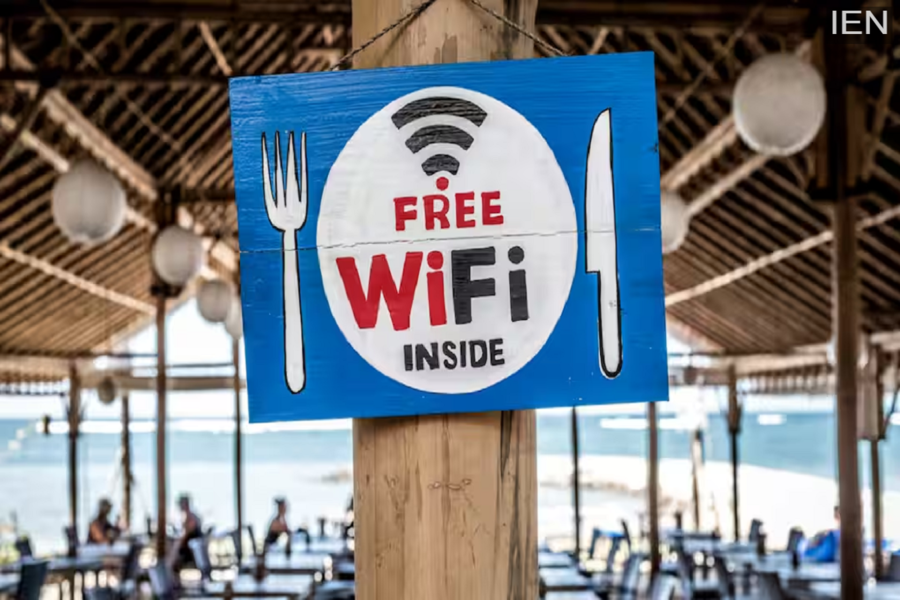
Don't fall for the lure of public Wi-Fi or free hotspots in places like airports or cafes. These networks often have weak security, and the connections are not encrypted, making your data vulnerable to theft.
If you are in a public place like an airport, cafe, or market and using public Wi-Fi, you should be cautious. Public Wi-Fi is often unencrypted, meaning your data can fall into the wrong hands. Due to the weak security of these networks, anyone can see and read your data. In such situations, you should avoid processing any sensitive information over public Wi-Fi. Today, we will learn about the risks associated with public Wi-Fi and how to protect yourself.
Risk of Man-in-the-Middle Attacks
Open networks in cafes and airports are susceptible to man-in-the-middle attacks. In this type of attack, scammers can steal your sensitive data and even install malware on your device. To do this, scammers use ARP spoofing. With this technique, scammers redirect network traffic to their own devices, allowing them to see exactly what you are doing on your device. This gives them access to all your information, increasing the risk of misuse. Therefore, it is advised not to use public Wi-Fi for sensitive activities like financial transactions.
How to Protect Yourself from These Threats?
Despite the risks, sometimes you may need to use public Wi-Fi. In such situations, you can encrypt your connection using a VPN. If you don't want to use a VPN, make sure that the web pages you are using are secure. You can check for HTTPS in the address bar. Additionally, enable multi-factor authentication and keep your firewall turned on. If you have antivirus software, be sure to scan your device after you are finished using the public Wi-Fi.
