
Why does the phone slow down when the battery drops below 20%? Most people don't know the reason..
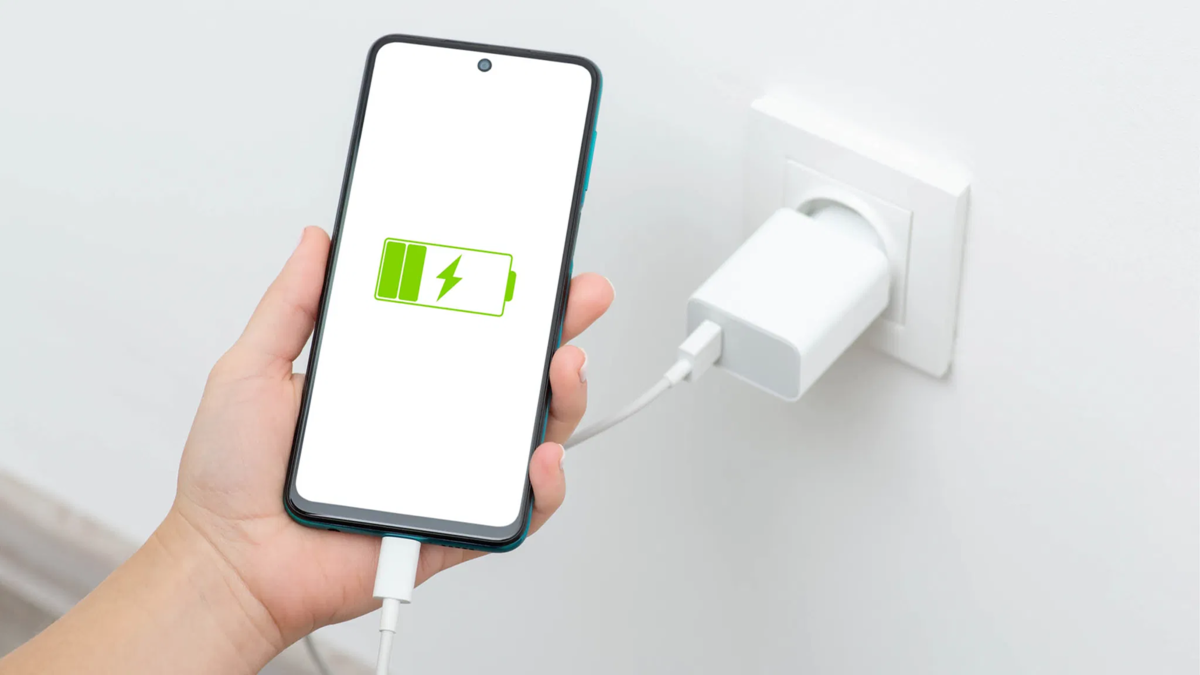
If your mobile phone starts feeling sluggish, takes longer than usual to open apps, or suffers a drop in performance once the battery level falls below 20%, it doesn't necessarily mean there is a fault with the device. Sometimes, the phone's power management system is the reason behind this. Smartphone manufacturers often throttle the device's performance to conserve battery life in such situations.
Components like the processor, display, network modules, and background apps constantly consume power. When the battery level drops, the system reduces power consumption to extend the battery's life. Consequently, some devices limit processor speeds or restrict background activity.
This impact is clearly noticeable in app speeds, gaming performance, and multitasking capabilities. However, this doesn't happen on every device at the 20% mark; it depends on the mobile model, software, and the manufacturer's power management settings.
**Battery Saver Can Also Slow Things Down**
On some smartphones, the 'Battery Saver' or 'Power Saving Mode' activates automatically when the battery is low. This feature restricts background activities, data syncing, visual effects, and other processes.
The goal is to prolong battery life. Users may perceive the phone as being slow, whereas, in reality, certain performance aspects have been limited due to the active power-saving feature.
**The Difference is More Noticeable with Older Batteries**
Furthermore, if your mobile battery is old and its capacity has degraded, the drop in performance at low charge levels can feel more pronounced. A deteriorating battery fails to provide stable power to the phone. Therefore, if your device's battery frequently drops below 20%, the phone may feel sluggish.
Disclaimer: This content has been sourced and edited from Dainik Jagran. While we have made modifications for clarity and presentation, the original content belongs to its respective authors and website. We do not claim ownership of the content.
